
What Dermatology Procedures are Covered by Medicare?
Quick Summary
- Medicare generally covers medically necessary dermatology under Part B, including diagnosis and treatment of skin conditions. Coverage varies by plan and diagnosis.
- Common covered services include skin cancer screenings, biopsies, and lesion removal when medically necessary. Chronic care like psoriasis or dermatitis treatment may qualify.
- Eligibility usually requires Medicare Part A and/or Part B, plus medical necessity documented by a provider. Some services may need a referral.
- Out-of-pocket costs can include the Part B premium, annual deductible, and typically 20% coinsurance after the deductible. Medicare Advantage costs differ by plan.
- To reduce costs, use Medicare-participating/in-network dermatologists, confirm coverage and prior authorization, and consider Medigap for cost-sharing.
Dermatology procedures play a crucial role in maintaining skin health and addressing various skin conditions. The skin is the body’s biggest organ. Dermatologists are experts in taking care of and treating various skin problems. These procedures are essential not only for cosmetic purposes but also for medical reasons, as skin conditions can impact overall well-being.
Dermatology procedures help with skin cancer, psoriasis, eczema, acne, and wrinkles, improving patients’ health and quality of life. Understanding what dermatology procedures are covered by Medicare is essential for accessing these vital services.
Medicare Coverage for Dermatology
Medicare provides coverage for a range of dermatology procedures, ensuring that beneficiaries have access to essential skin care services. While coverage can vary depending on the specific procedure and diagnosis, Medicare typically covers medically necessary dermatological treatments. This includes services for diagnosing and treating skin cancer, managing chronic skin conditions, and some necessary cosmetic procedures.
It’s essential for Medicare beneficiaries to understand their coverage options, eligibility, and any potential out-of-pocket costs associated with dermatology procedures. Consulting with a dermatologist and Medicare representative can help navigate the coverage specifics.

Eligibility for Medicare Dermatology Benefits
To be eligible for Medicare dermatology benefits, you must meet certain criteria:
- Age: Most people become eligible for Medicare at age 65. However, individuals with certain disabilities or specific medical conditions may qualify earlier.
- To get dermatology benefits, you must have Medicare Part A (hospital insurance) and/or Part B (medical insurance) coverage.
- Medically Necessary: Dermatology procedures must be deemed medically necessary by a healthcare provider to be eligible for coverage.
- Referral: Some dermatology services may require a referral from your primary care physician.
- Coverage Plans: The extent of coverage can vary based on your specific Medicare plan, so it’s essential to review your plan’s details and limitations.
Understanding your eligibility and coverage options is crucial to ensure you receive the necessary dermatological care while minimizing out-of-pocket expenses. Consult with Medicare representatives or your healthcare provider for personalized guidance.
Common Dermatology Procedures Covered
Medicare provides coverage for a range of dermatology procedures to address various skin conditions and concerns. Some common procedures include: Medicare typically covers evaluations and treatments for conditions such as psoriasis, eczema, and skin cancer screenings. Beneficiaries can access a variety of dermatology services under Medicare, which enables them to receive necessary care for both preventive and therapeutic needs. Additionally, coverage may also extend to surgical procedures like biopsies and excisions when deemed medically necessary.
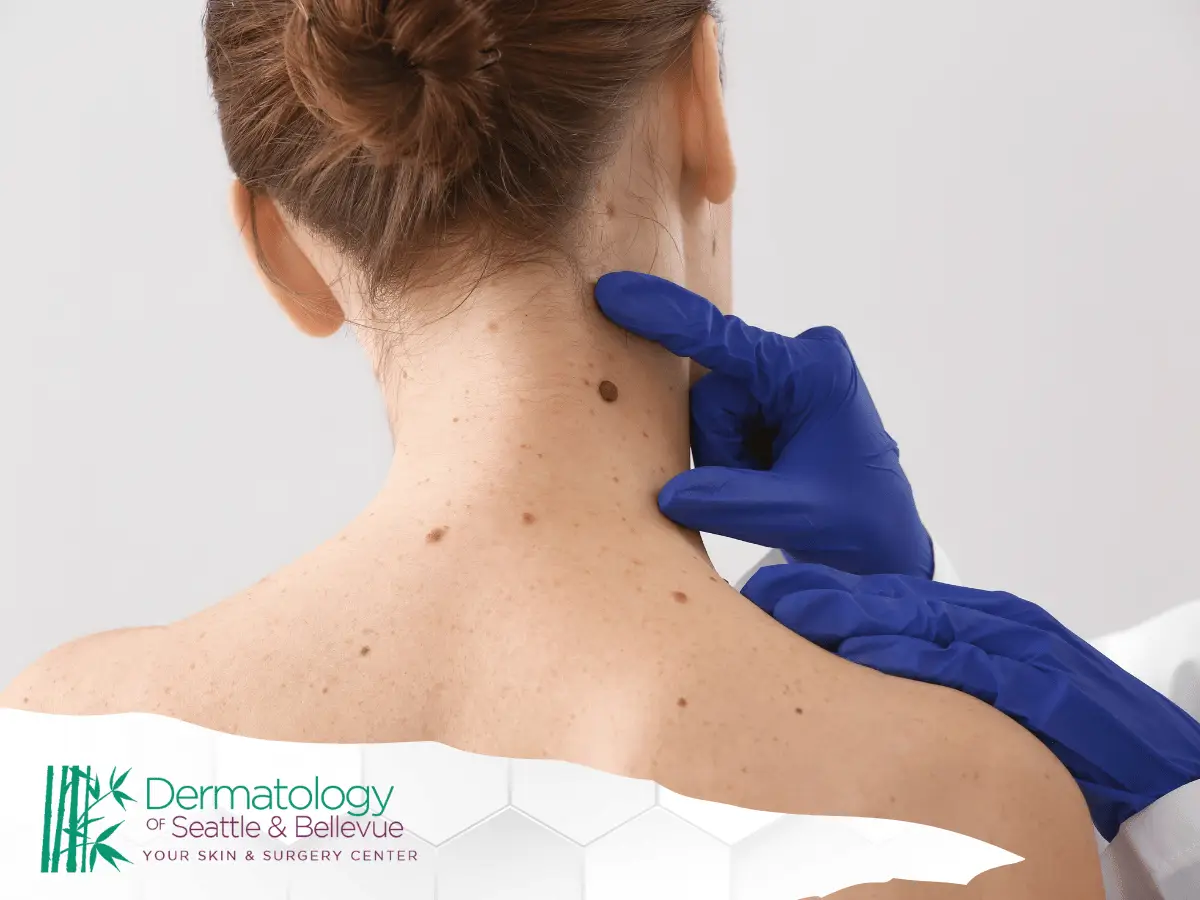
- Skin Cancer Screening: Regular screenings for skin cancer, including visual examinations and biopsies, are typically covered by Medicare.
- Acne Treatment: Medicare may cover medically necessary treatments for acne, such as prescription medications or procedures like chemical peels.
- Removal of Skin Lesions: Medicare often covers the removal of benign skin lesions like moles, warts, or skin tags when deemed medically necessary.
- Dermatitis Treatment: Procedures to manage dermatitis and related skin conditions may be covered, including allergy testing and patch testing.
- Psoriasis Treatment: Medicare can cover treatments for psoriasis, such as phototherapy or systemic medications.
- Skin Biopsies: Diagnostic skin biopsies, which are essential for identifying skin conditions, are typically covered.
Keep in mind that coverage may vary based on your specific Medicare plan and the medical necessity of the procedure. It’s advisable to consult with the healthcare provider and review your plan to understand your coverage fully. Ensure you inquire about the specifics of Medicare coverage for Mohs surgery, as some plans may have particular stipulations or associated costs. Additionally, discussing any pre-authorization requirements with your healthcare provider can be beneficial in avoiding unexpected expenses. Always stay informed about any changes to your plan that may affect your coverage options.
Understanding Out-of-Pocket Costs
When considering dermatology procedures covered by Medicare, it’s essential to have a comprehensive understanding of out-of-pocket costs. While Medicare provides valuable coverage for various skin-related treatments and services, it’s not an all-encompassing safety net, and beneficiaries may still encounter expenses.
- Medicare Part B Premium: Most dermatology services fall under Medicare Part B, which requires a monthly premium. As of 2022, the standard premium is $170.10, but it may vary based on income. This premium covers a portion of your outpatient care, including dermatology visits.
- Deductibles: Medicare Part B has an annual deductible, which is $233 in 2022. Beneficiaries are responsible for paying this amount before Medicare covers their healthcare costs.
- Copayments and Coinsurance: After meeting the deductible, you’ll typically pay 20% of the Medicare-approved amount for dermatology services. These copayments or coinsurance costs can add up, especially if you require multiple procedures or visits throughout the year.
- Medicare Advantage Plans: If you have a Medicare Advantage plan, your costs may vary. While these plans often include dermatology coverage, the out-of-pocket expenses can differ from Original Medicare. You may have lower copayments or coinsurance, but it’s crucial to understand your plan’s specifics.
- Medigap (Supplemental) Insurance: Some beneficiaries opt for Medigap plans to help cover Medicare’s out-of-pocket costs. These plans can provide additional financial support for copayments, coinsurance, and deductibles.
- Prior Authorization: In some cases, dermatology procedures may require prior authorization from Medicare. This means your healthcare provider must obtain approval before the procedure. Failing to do so could result in denied coverage.
- Cosmetic Procedures: Medicare generally does not cover cosmetic dermatology procedures, such as wrinkle treatments or hair removal, as they are considered elective and not medically necessary.
To minimize your out-of-pocket costs while receiving dermatology services covered by Medicare, consider the following tips:
- Verify Coverage: Before scheduling any procedure, verify with your healthcare provider that it’s medically necessary and covered by Medicare.
- Research Providers: Find dermatologists who participate in Medicare and accept assignment (accepting Medicare’s approved amount as payment in full) to reduce costs.
- Check your Medicare Advantage plan, understand coverage and how copayments and coinsurance apply to dermatology services.
- Medigap Coverage: Explore Medigap plans that can help offset Medicare’s out-of-pocket costs.
- Choose in-network healthcare providers for your Medicare plan to get the most coverage benefits.
- Prior Authorization: Ensure that your healthcare provider obtains any necessary prior authorizations to prevent coverage denials.
Medicare covers dermatology procedures, but beneficiaries should know they might have to pay some costs themselves. Understanding your specific plan, seeking in-network providers, and considering supplemental insurance can help manage these expenses and ensure you receive the dermatological care you need.

Tips for Maximizing Medicare Benefits
Maximizing your Medicare benefits for dermatology procedures involves careful planning and informed choices. Here are some tips to help you get the most out of your coverage:
- Regular Checkups: Schedule routine dermatology checkups to catch skin issues early, reducing the need for more extensive treatments.
- Network Providers: Choose dermatologists and facilities within your Medicare plan’s network to minimize out-of-pocket costs.
- Understand Costs: Familiarize yourself with Medicare deductibles, copayments, and coinsurance rates to budget for potential expenses.
- Medigap Plans: Consider a Medigap plan to cover Medicare’s out-of-pocket costs, providing financial peace of mind.
- Prior Authorization: Ensure your healthcare provider obtains any required prior authorizations for procedures to prevent coverage denials.
- Review Plan Annually: Evaluate your Medicare plan yearly during open enrollment to ensure it meets your evolving dermatology needs.
By following these tips, you can navigate Medicare coverage effectively and receive the dermatological care you require without unexpected financial burdens.