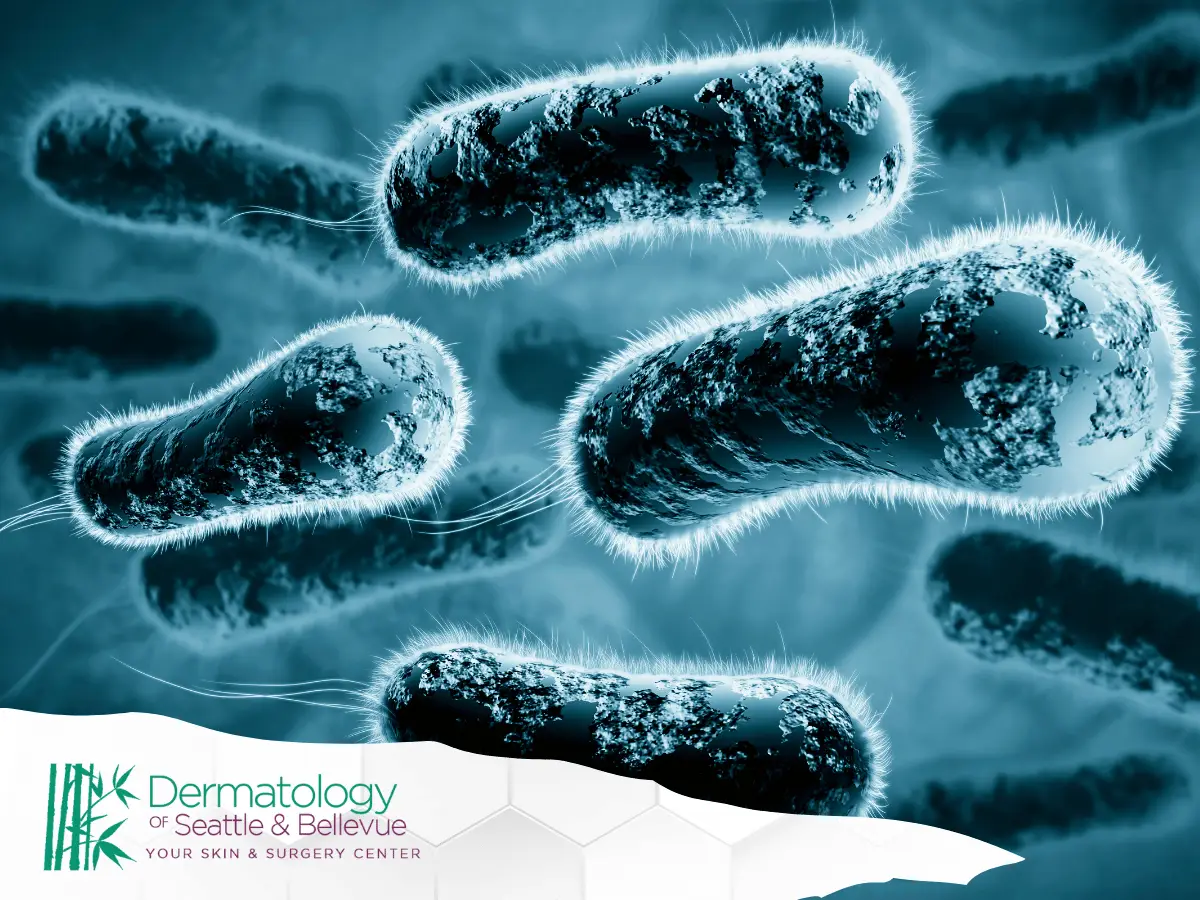
When it comes to skin health, not all bacteria are the enemy. Recent research highlights the vital role of the skin microbiome—a complex ecosystem of microorganisms living on our skin—in maintaining a clear, healthy complexion. Far from being just a nuisance, these microbes can support your skin’s natural defenses and help reduce acne and other breakouts. This guide dives into why bacteria might just be the new secret weapon for healthier skin.
Quick Summary
- The skin microbiome is a community of bacteria, fungi, and viruses that supports the skin barrier, pH, oils, and hydration, helping protect against harmful invaders.
- When the microbiome is disrupted by harsh products, excessive cleansing, diet, or antibiotics, inflammation and conditions like acne and eczema can worsen.
- Beneficial bacteria such as Lactobacillus and Staphylococcus epidermidis can reduce inflammation, produce antimicrobial compounds, and help maintain an acidic pH that deters pathogens.
- Probiotics and prebiotics (topical or internal) may help restore microbiome balance, strengthen the skin barrier, and inhibit harmful bacterial overgrowth linked to breakouts.
- For routine care, choose gentle products that support microbial balance, avoid harsh antibacterial agents and fragrances, and use caution with DIY fermented remedies by patch-testing and consulting a dermatologist.
Understanding the Skin Microbiome
The skin microbiome refers to the community of microorganisms—including bacteria, fungi, and viruses—that reside on the surface of the skin. This invisible ecosystem plays a critical role in protecting against harmful invaders and supporting the skin’s protective barrier.
What is the skin microbiome?
- The microbiome consists of trillions of tiny organisms living on your skin and interacting with your body.
- These microbes include both beneficial and potentially harmful species that coexist in a delicate balance.
- A balanced skin microbiome helps maintain the skin’s natural oils, pH, and hydration levels, contributing to overall skin health.
- Disruptions to this balance can lead to issues like inflammation, irritation, and increased susceptibility to conditions such as acne and eczema.
Importance of a balanced skin microbiome
Maintaining a balanced skin microbiome is essential for preserving the skin’s natural defenses and preventing overgrowth of harmful bacteria. When this balance is disrupted—due to factors like harsh skincare products, poor diet, or excessive cleansing—skin problems can arise. Healthy microbial diversity supports a strong skin barrier, reducing inflammation and protecting against infections.
How Bacteria Can Improve Skin Health
Not all bacteria are harmful. Certain species actively contribute to healthy skin by outcompeting bad bacteria, supporting the immune system, and helping to regulate oil production. Understanding and nurturing these beneficial bacteria can be a game-changer in skincare, especially for acne-prone skin.
Beneficial bacteria for clear skin
- Lactobacillus species are known for their anti-inflammatory properties and ability to strengthen the skin barrier.
- Staphylococcus epidermidis produces antimicrobial peptides that fight off harmful pathogens.
- Some bacteria help regulate the skin’s pH, keeping it slightly acidic to deter invaders.
- Supporting these good bacteria can reduce breakouts, soothe irritation, and promote a balanced complexion.
- Prebiotics and probiotics in skincare products can nurture these beneficial microbes and restore balance.
Role of probiotics in skincare
Probiotics are live beneficial bacteria that, when applied topically or taken internally, can help restore and maintain a healthy skin microbiome. These microorganisms work to reinforce the skin barrier, reduce inflammation, and inhibit the growth of harmful bacteria. Incorporating probiotics into skincare products offers a natural approach to managing acne and promoting overall skin health.
Common Skin Issues Caused by Bacteria
An imbalance in the skin’s bacterial ecosystem can lead to various skin problems. Understanding the role of bacteria in these conditions is key to effective treatment and prevention.
Acne and bacterial overgrowth
- Acne is often linked to the overgrowth of Propionibacterium acnes, a bacteria that thrives in clogged pores.
- Excessive proliferation of this bacteria triggers inflammation, resulting in red, swollen pimples and breakouts.
- Disrupting the natural balance with harsh cleansers or antibiotics can sometimes worsen acne by killing beneficial bacteria and allowing resistant strains to flourish.
- A balanced approach targeting both bacteria and the skin barrier is essential for clear, healthy skin.
Eczema and an imbalanced skin microbiome
Eczema, or atopic dermatitis, is often associated with an imbalance in the skin microbiome, particularly an increase in harmful bacteria like Staphylococcus aureus. This overgrowth can worsen symptoms such as redness, itching, and inflammation. Restoring microbial balance through targeted treatments and gentle skincare can help alleviate these symptoms and improve skin health.
Incorporating Bacteria into Skincare Routine
Introducing beneficial bacteria into your daily skincare can support a healthy microbiome and improve your complexion. This involves selecting products that nurture good bacteria and avoid disrupting the delicate ecosystem.
Choosing probiotic skincare products
- Look for products containing live probiotics or ingredients that support microbial growth, such as prebiotics.
- Avoid harsh antibacterial agents and fragrances that can disrupt the skin barrier and microbiome balance.
- Creams and serums formulated with probiotic strains help strengthen natural defenses and reduce irritation.
- Consistent use over time promotes healthier, clearer skin by fostering beneficial bacterial communities.
- Consulting with a dermatologist can help identify the best products for your specific skin type and concerns.
DIY skincare remedies using beneficial bacteria
Some people choose to incorporate beneficial bacteria into their routine using homemade remedies. These can include fermented ingredients like yogurt or kombucha, which contain probiotics that may support the skin microbiome. However, caution is advised as DIY treatments can sometimes cause irritation or imbalances if not used properly. Always patch-test new remedies and consult a dermatologist before trying alternative approaches.
Conclusion
Understanding the importance of the skin microbiome and the role bacteria play in maintaining clear, healthy skin is changing how we approach skincare. By nurturing beneficial bacteria and avoiding harsh disruptors, you can support your skin’s natural defenses, reduce acne, and improve overall skin health. Incorporating probiotic products and mindful habits can be a key step toward achieving a balanced, radiant complexion.
Disclaimer:
This article is for informational purposes only and is not a substitute for professional medical advice, diagnosis, or treatment. Always consult with a qualified dermatologist or healthcare provider before making changes to your skincare routine or trying new treatments.