
Quick Summary
- Keratosis pilaris (KP) causes small, rough, uniform bumps from trapped keratin plugging hair follicles — most common on the upper arms, thighs, and cheeks.
- Acne involves clogged pores with oil and bacteria, producing a mix of blackheads, whiteheads, and inflamed lesions, typically on the face, chest, and back.
- KP bumps are usually skin-colored or slightly red and feel like sandpaper; they rarely become inflamed or painful the way acne can.
- KP is a harmless, common genetic condition — not caused by poor hygiene or diet — and tends to improve with age.
- Standard acne treatments generally don't help KP; it responds better to gentle exfoliation and consistent moisturizing.
Keratosis pilaris is one of the most common skin conditions that gets mistaken for acne, especially when it shows up on the cheeks or upper arms — but the two have almost nothing in common beyond both causing small bumps.
What Keratosis Pilaris Is
Keratosis pilaris (KP) happens when keratin — a protein that normally sheds from the skin's surface — builds up and plugs individual hair follicles instead. This creates small, rough, uniform bumps, often described as feeling like sandpaper or "chicken skin." KP is extremely common (it affects a large share of the population to some degree) and has a strong genetic component; it's frequently seen alongside dry skin or eczema. It most often appears on the upper arms, thighs, and sometimes the cheeks, and tends to improve — though not always fully resolve — with age.
What Acne Is
Acne develops when hair follicles become clogged with oil and dead skin cells, allowing acne-causing bacteria to multiply and trigger inflammation. Unlike KP's uniform sandpaper texture, acne shows a mix of lesion types: blackheads, whiteheads, red inflamed papules, and pus-filled pustules, often at different stages simultaneously. It's most common on the face, chest, and back, and is strongly influenced by hormones.
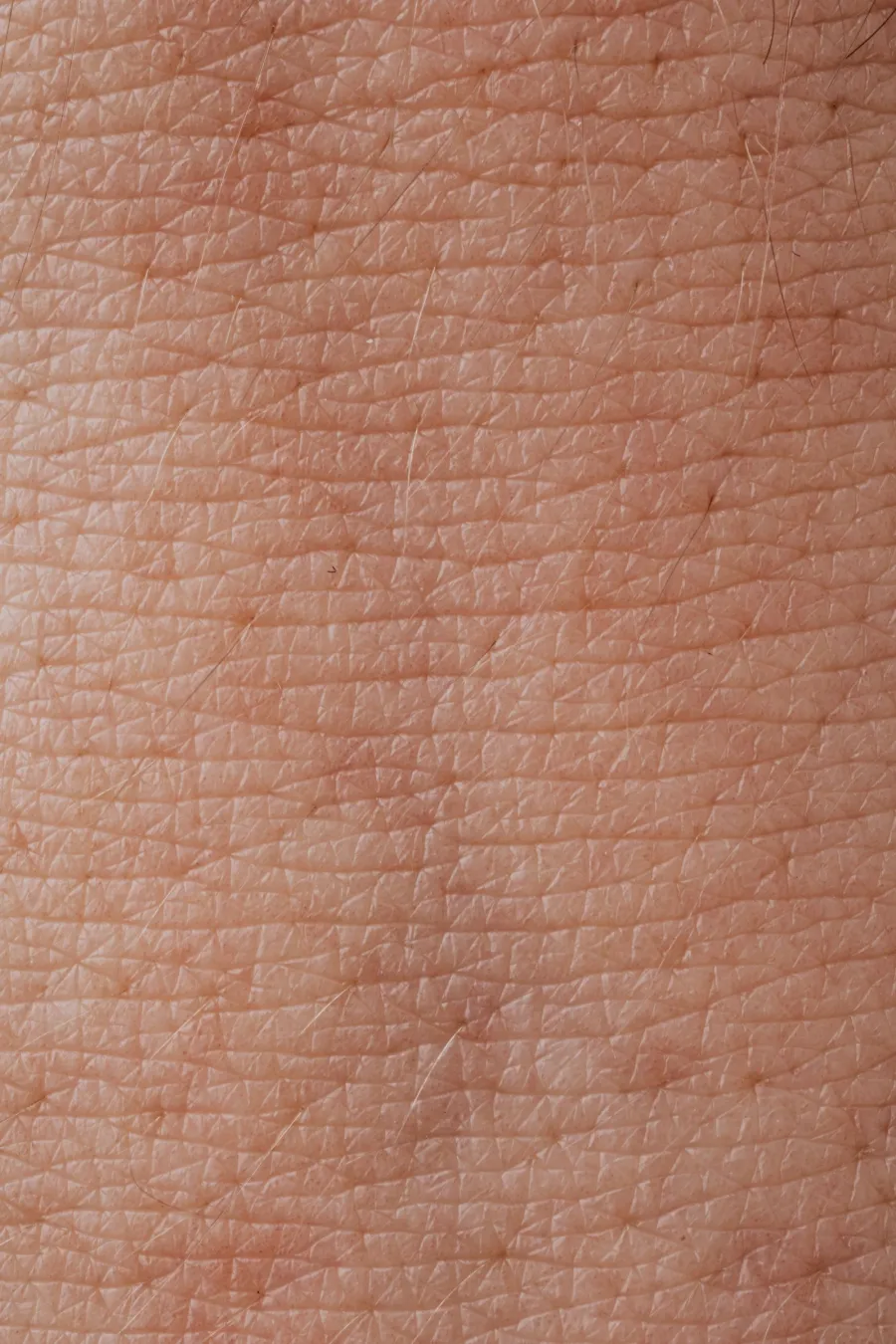
Key Differences at a Glance
| Feature | Keratosis Pilaris | Acne |
|---|---|---|
| Texture | Uniform, sandpaper-like bumps | Mixed lesion types and sizes |
| Color | Skin-colored or mildly red | Ranges from skin-colored to red/inflamed |
| Common locations | Upper arms, thighs, cheeks | Face, chest, back, shoulders |
| Inflammation | Minimal, rarely painful | Can become quite inflamed or painful |
| Cause | Keratin buildup blocking follicles (genetic) | Oil, clogged pores, bacteria, hormones |
Why Acne Treatments Don't Fix KP
Because KP isn't driven by oil or bacteria the way acne is, standard acne treatments — benzoyl peroxide, oil-control products — usually don't help much and can sometimes just dry out and irritate the skin further. KP responds better to gentle exfoliation (chemical exfoliants like lactic or salicylic acid work well) combined with consistent, heavier moisturizing to soften the keratin buildup over time.
Dealing with rough, bumpy skin that won't go away?
Our board-certified dermatologists see patients at our Burien and Bellevue offices — same-week appointments are often available.
Schedule a Skin CheckWhen to See a Dermatologist
KP is harmless and doesn't require treatment, but if it's bothering you cosmetically or over-the-counter exfoliants and moisturizers aren't helping after consistent use, a dermatologist can recommend prescription-strength options or in-office treatments for smoother results.