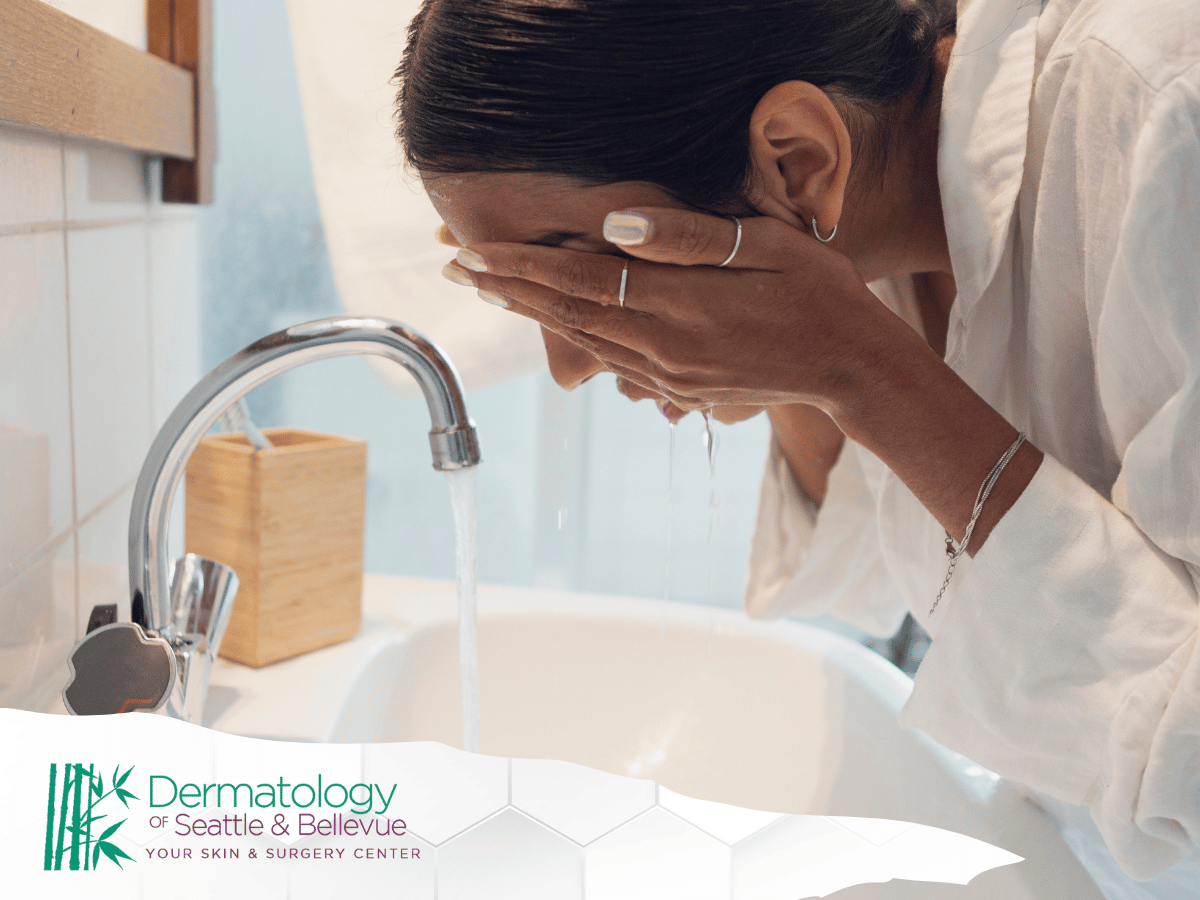
How to Get Clear Skin Fast
Quick Summary
- Clear skin “fast” comes from calming inflammation and protecting the barrier; expect 1–2 weeks for breakouts, longer for marks.
- Keep cleansing gentle: lukewarm water, mild cleanser, moisturize, and wear broad-spectrum sunscreen daily.
- Avoid barrier damage from over-cleansing, harsh scrubs/acids, hot water, and constantly switching products.
- Add actives slowly and avoid irritants like fragrance, essential oils, and stinging alcohol toners; scale back if burning.
- Support the barrier with ceramides/fatty acids, hydration, and simple habits like no picking and cleaning pillowcases/brushes.
If you are searching for how to get clear skin fast, the safest “fast” plan is to calm inflammation, reduce new breakouts, and protect your skin barrier. Many people see improvement in a week or two when they stop overdoing it and follow a simple routine consistently. Texture and dark marks usually take longer, so focus on steady progress, not overnight perfection.
In Seattle, cold air, indoor heat, and frequent rain can leave skin dehydrated while still oily, which is a common setup for irritation and breakouts.
Understanding Skin Barriers
Your skin barrier is the outer protective layer that keeps water in and irritants out. When it is strong, skin stays calmer and tolerates acne treatments better. When it is disrupted, the skin can sting, peel, flush, and break out more easily.
What is the Skin Barrier?
The barrier is mainly the stratum corneum plus the lipids between skin cells. A simple way to think about it is “bricks and mortar”: skin cells are the bricks, and ceramides, cholesterol, and fatty acids are the mortar. This layer also supports a healthy skin microbiome, which helps reduce irritation.
Importance of a Healthy Skin Barrier
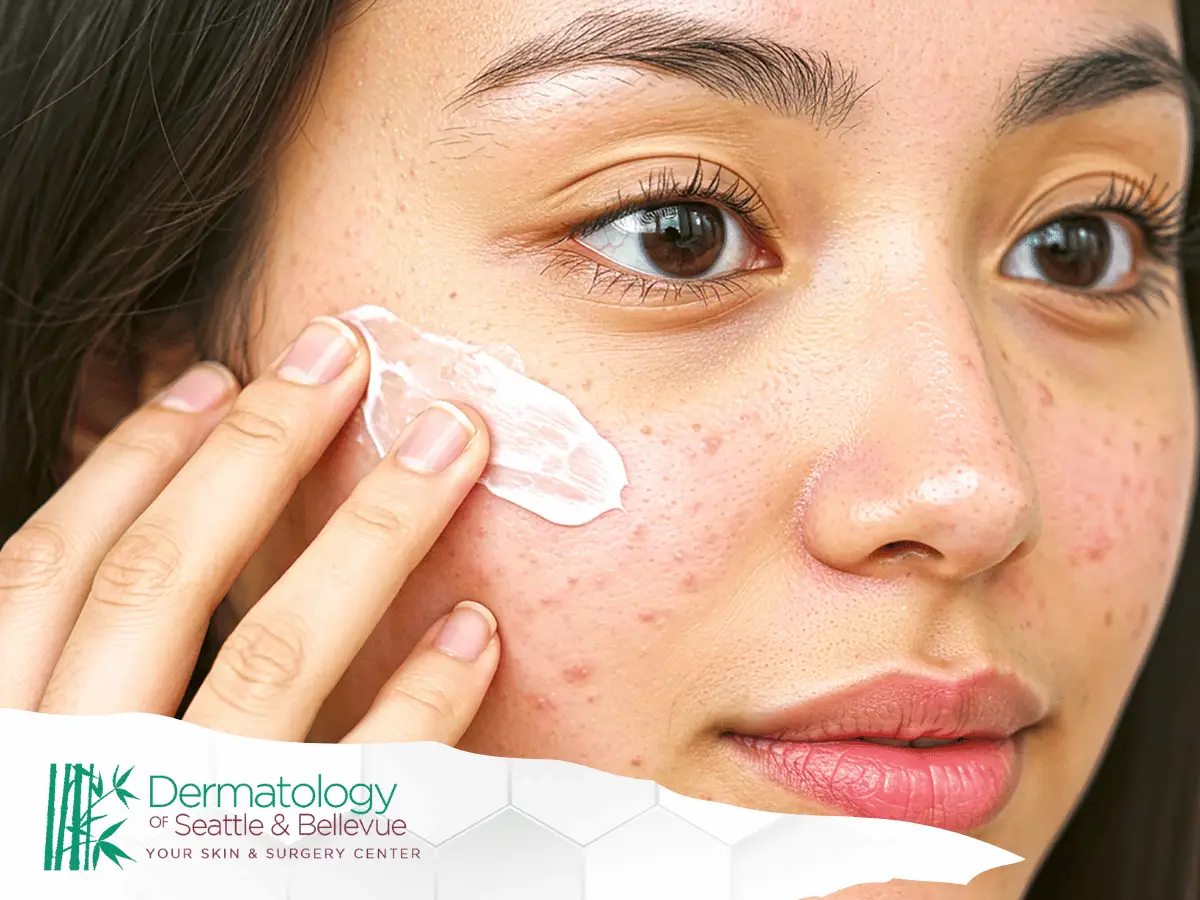
Barrier problems can look like dryness, but they can also show up as oiliness, redness, and sensitive, reactive skin. When the barrier is inflamed, blemishes often look more swollen and take longer to heal. Protecting the barrier is a direct path to skin clearing because it reduces background irritation and helps you stick with a routine.
Common Mistakes that Damage the Skin Barrier
The fastest way to slow results is to treat every breakout like an emergency. These are the habits that commonly keep skin stuck in a cycle of irritation.
Over-Cleansing
Washing too often, using hot water, or using strong foaming cleansers can strip the lipids your barrier needs. A tight, squeaky-clean feeling is a warning sign. Cleanse enough to remove sunscreen, makeup, and sweat, but not so aggressively that your face feels raw afterward.
Harsh Exfoliants
Scrubs, brushes, and frequent strong acids can cause micro-irritation. Some exfoliation can help clogged pores, but over-exfoliation often leads to stinging, peeling, and more visible redness. If your moisturizer burns, pause exfoliation and rebuild your barrier first.
Inconsistent Skincare Routine
Switching products every few days makes it hard to see what is helping and what is causing problems. It also increases the odds of layering too many actives. Consistency is a major part of how to get clear skin fast without triggering setbacks.
Steps to Get Clear Skin Fast

This is a practical, low-risk approach. If you have painful cystic acne, scarring, a widespread rash, or frequent flares that do not respond to basic care, it is reasonable to see a dermatologist sooner rather than later.
Gentle Cleansing Routine
Keep it simple and repeatable.
Morning:
- Rinse with lukewarm water or use a gentle cleanser if you wake up oily.
- Moisturize if you feel tight.
- Use broad-spectrum sunscreen daily.
Night:
- Cleanse once to remove sunscreen and makeup. If you wear heavier makeup, do a gentle first cleanse (like micellar water or a cleansing oil) followed by a mild cleanser.
- Moisturize.
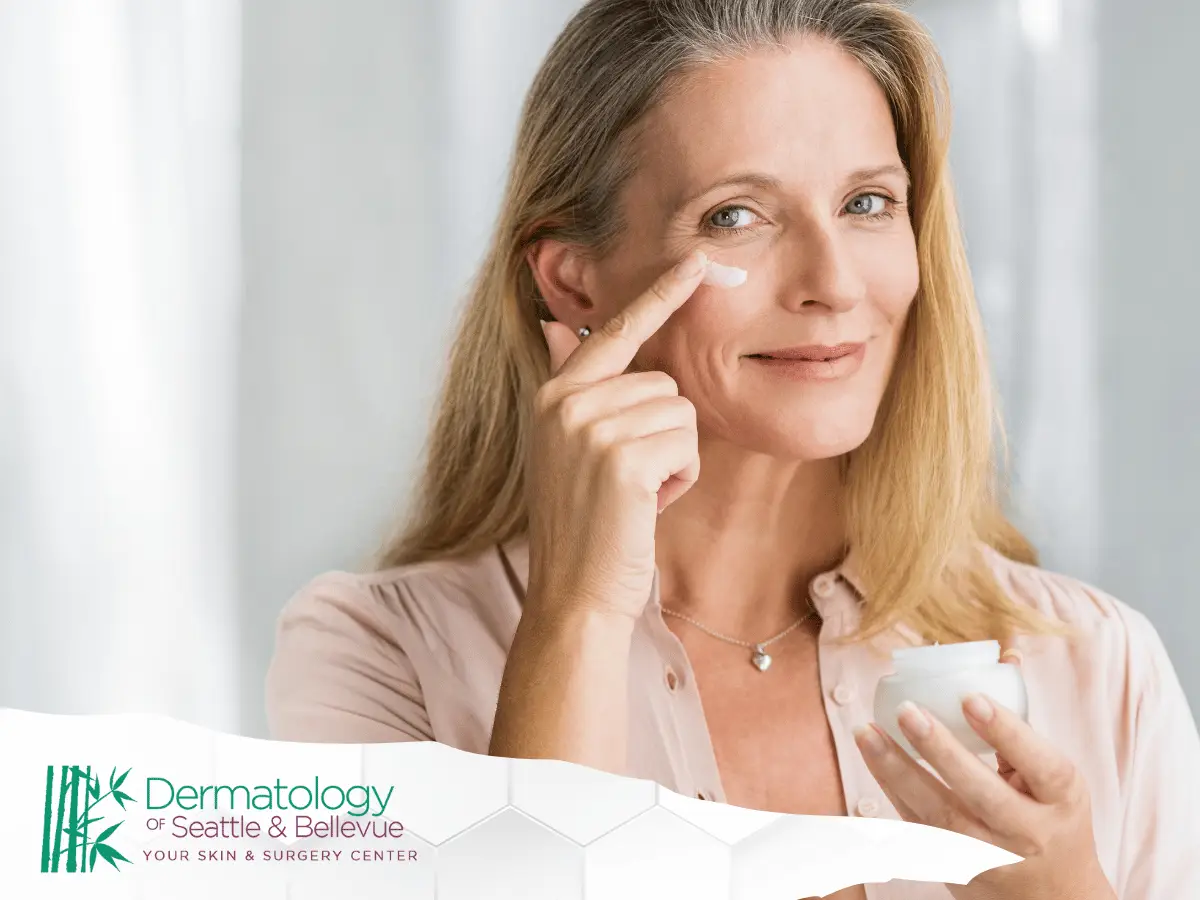
If you are trying to figure out how to have clear skin fast, a gentle routine plus sunscreen is often the most overlooked win. It reduces irritation and helps spots heal more cleanly.
A few small habits can also make the routine work faster: avoid picking (it increases inflammation and dark marks), keep hair products off the face, and clean things that touch your skin often like pillowcases, makeup brushes, and your phone screen.
Incorporating Skin-Clearing Foods
Diet is not the only factor, but it can influence inflammation for some people. If you want a realistic boost, prioritize skin-clearing foods that support stable blood sugar and overall recovery:
- Fiber-forward meals (vegetables, beans, oats)
- Omega-3 sources (salmon, sardines, walnuts, chia)
- Antioxidant-rich produce (berries, leafy greens)
- Adequate protein and hydration
If you suspect certain foods trigger breakouts, change one variable for 3 to 4 weeks and track your skin. Avoid extreme restriction plans that increase stress.
Avoiding Irritating Ingredients
Quick improvement often comes from removing irritants and introducing actives slowly.
Common irritants:
- Fragrance and essential oils
- High-alcohol toners that sting
- Multiple exfoliating acids layered together
- Starting too many acne actives at once
If you use active ingredients, start low and slow. Many people do well with a leave-on salicylic acid product a few nights per week for congestion, and a retinoid for longer-term clarity, but irritation is a sign to scale back.
Makeup can matter, too. People often ask about Skin Clearing Makeup and Foundations, including whether they should look for “skin clearing liquid foundations” or “skin clearing foundations for sensitive skin.” Instead of chasing a brand name, look for non-comedogenic, fragrance-free formulas that remove easily without scrubbing. Some products contain acne-friendly ingredients, but makeup rarely clears acne on its own. The goal is coverage that does not worsen breakouts, while your routine treats the cause.
Building a Strong Skin Barrier

Barrier support is not extra. It is what prevents the “two steps forward, one step back” pattern that happens when skin gets overtreated.
Hydration and Moisture
Hydration is water in the skin; moisture is keeping that water from escaping. A barrier-friendly moisturizer often combines humectants (like glycerin) with emollients and occlusives to reduce water loss. Apply moisturizer after cleansing, and consider buffering stronger acne treatments with moisturizer if you are prone to dryness or stinging.
Essential Fatty Acids
The barrier’s lipid layer relies on fatty acids. Topical products that include ceramides, cholesterol, fatty acids, or squalane can help reduce dryness and improve tolerance to acne treatments. This is especially helpful during colder months or when indoor heating dries the air.
Antioxidants in Skincare
Antioxidants support the skin against environmental stress and can help with overall tone. Options like niacinamide or vitamin C derivatives can be useful, but add one new product at a time and patch test if you are sensitive. Too many layers often create more irritation than benefit.
Conclusion
Fast, sustainable clarity usually comes from doing fewer things, better: gentle cleansing, daily sunscreen, consistent moisturizing, and carefully chosen actives.
Final Tips for Long-Term Clarity
If you are not seeing improvement after several weeks, or your acne is painful, scarring, or persistent, a dermatology visit can speed things up by matching treatment strength to your skin type and acne pattern.
Disclaimer
This article is for general educational purposes only and does not provide medical advice, diagnosis, or treatment. If you have persistent or severe acne, significant irritation, or symptoms that concern you, schedule an evaluation with a qualified healthcare professional.