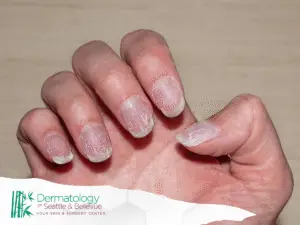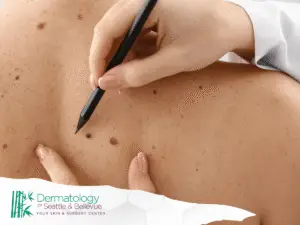
If you’ve ever wondered what is telehealth and whether it works for skin issues, you’re not alone. Telehealth dermatology means seeing a dermatologist (a skin doctor) through a virtual visit instead of sitting in an exam room. Sometimes it’s a live video chat. Other times you send photos and messages and get a plan back. This post will walk you through the telehealth meaning in plain English, what a typical visit looks like, what it’s good at, and when you should skip it and go in person.
Best for: New or ongoing skin problems that are visible in photos and don’t need a hands-on exam.
Not ideal when: You have severe pain, fast-spreading swelling, or symptoms that could be an emergency.
Good first step if: You want a quick triage plan, prescription help, or guidance on whether you need an in-person exam.
Call a pro if: A spot is changing quickly, bleeding, or you’re worried about skin cancer and need an urgent in-person check.
Quick Summary
-
Telehealth is healthcare delivered remotely, often by video, phone, or secure messaging through a patient portal.
-
Telehealth vs. telemedicine mostly comes down to scope: telehealth is broader, while telemedicine focuses on clinical care.
-
Telehealth dermatology often uses photos plus a short history to guide next steps, prescriptions, or follow-up.
-
Some issues are great fits, like acne follow-ups or eczema flares. Others need an in-person exam or testing.
-
Privacy and insurance rules exist, but coverage and platform features vary, so it’s smart to ask a few basics upfront.
What is Telehealth?
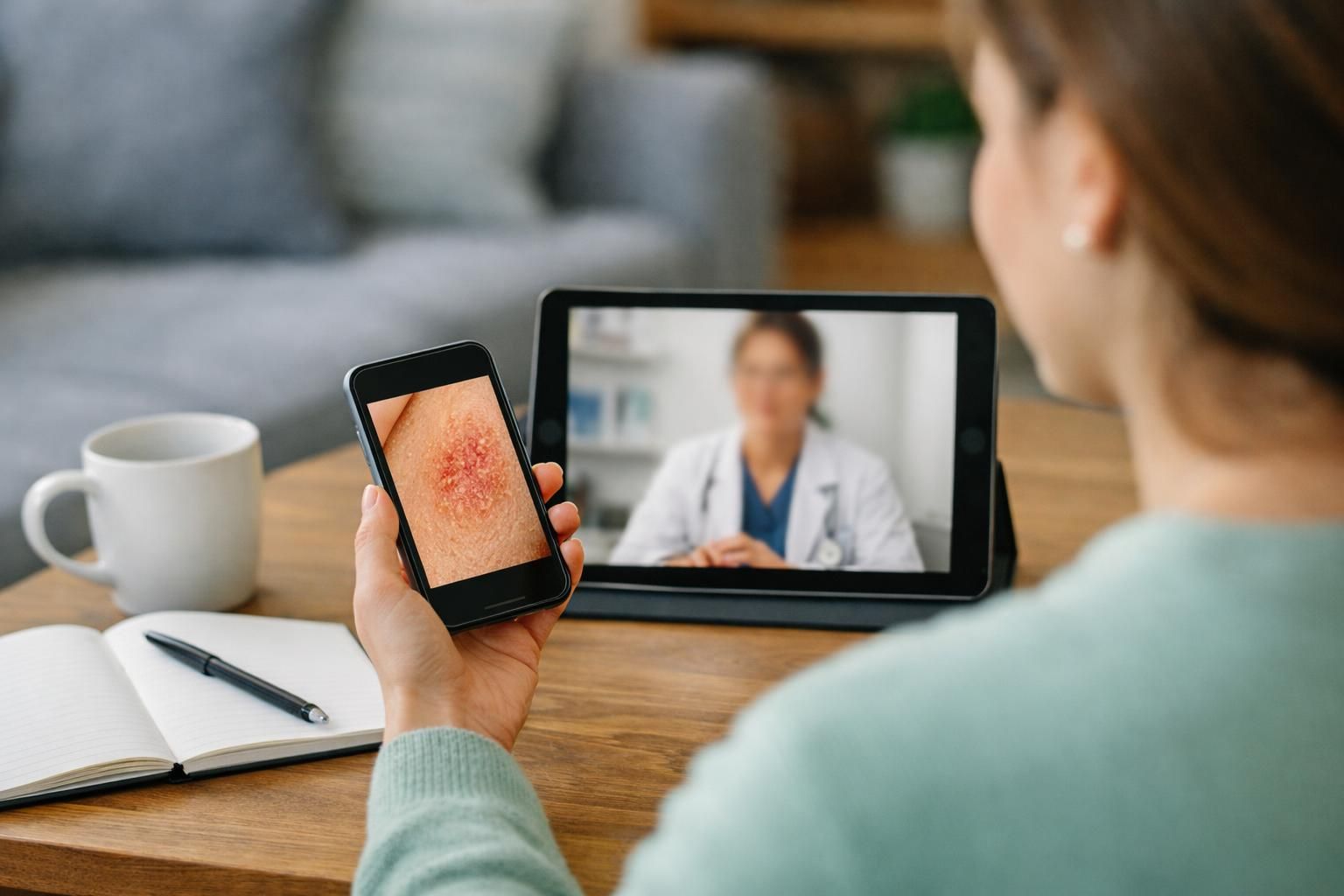
Telehealth is healthcare delivered at a distance via phone, smartphone, or computer. It can include clinical visits, education, care coordination, and at-home data tools. In dermatology, it often covers visible problems like rashes, acne, and moles. Visits can be live, or asynchronous (store-and-forward) where you send photos and details for later review and a message back.
Telehealth Vs. Telemedicine
Telehealth is the umbrella term; telemedicine refers specifically to diagnosis and treatment. A video visit for a rash is both. Education messages, instructions on using medication, and care coordination are usually described as telehealth.
How Telehealth Works (Common Visit Types)
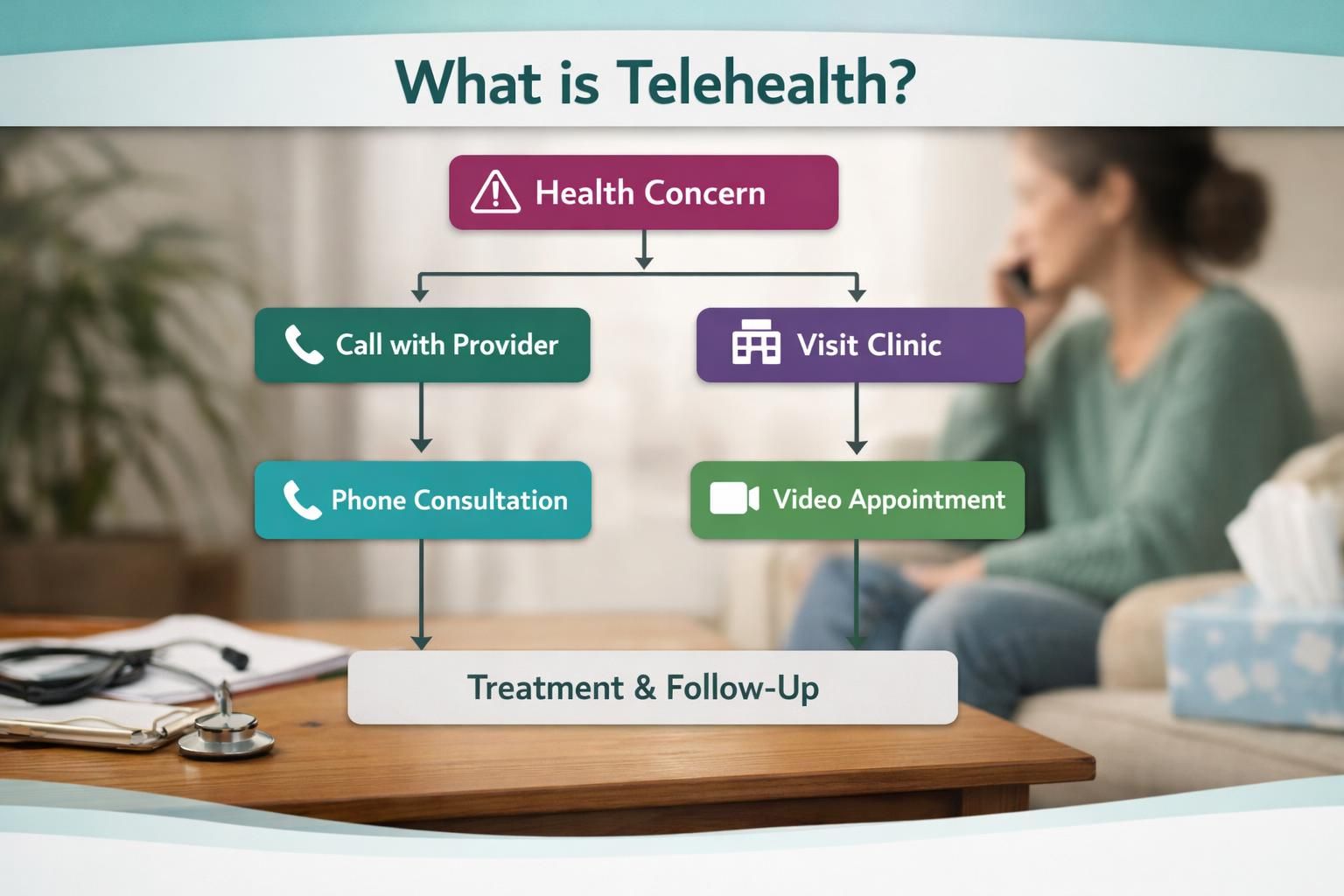
Telehealth dermatology combines your history with visuals. You may book ahead or use on-demand care, and many services use triage to route urgency. Typical flow: you complete an intake form, upload photos or join video, answer focused questions, then receive a plan. That plan may include home care, prescriptions, tests, or referral for an in-person exam or procedure. For mole concerns, see spotting risky mole changes to know what details matter.
Video Visits, Phone Visits, and Secure Messaging
Video visits are live (synchronous) and best when visuals matter. Phone visits lack visuals, so they fit follow-ups or medication questions. Secure messaging happens in a portal/app and can be asynchronous: you send photos and answers, then receive a written plan.
What Telehealth Can Be Used for (and What it Can’t)
Telehealth works when decisions can be made from your history plus photos or video. In dermatology, that includes diagnosing common rashes, adjusting treatment, and deciding whether you need an in-person exam. It can’t replace anything requiring touch, specialized tools, or procedures. Biopsies, freezing, injections, and careful full-body skin exams usually require a clinic visit.
Common Conditions and Services
Benefits of Telehealth
Telehealth reduces friction: no travel, less time off work, and no waiting room. It can expand access to specialists in rural or underserved areas, including hub-and-spoke models where a larger clinic supports local sites. It supports continuity of care with easier follow-ups for chronic issues like acne, eczema, and psoriasis. It can speed coordination when clinicians share photos and notes. Many platforms provide written instructions you can revisit. For dry, irritated skin, why spots and dryness happen helps you describe symptoms clearly during virtual care.
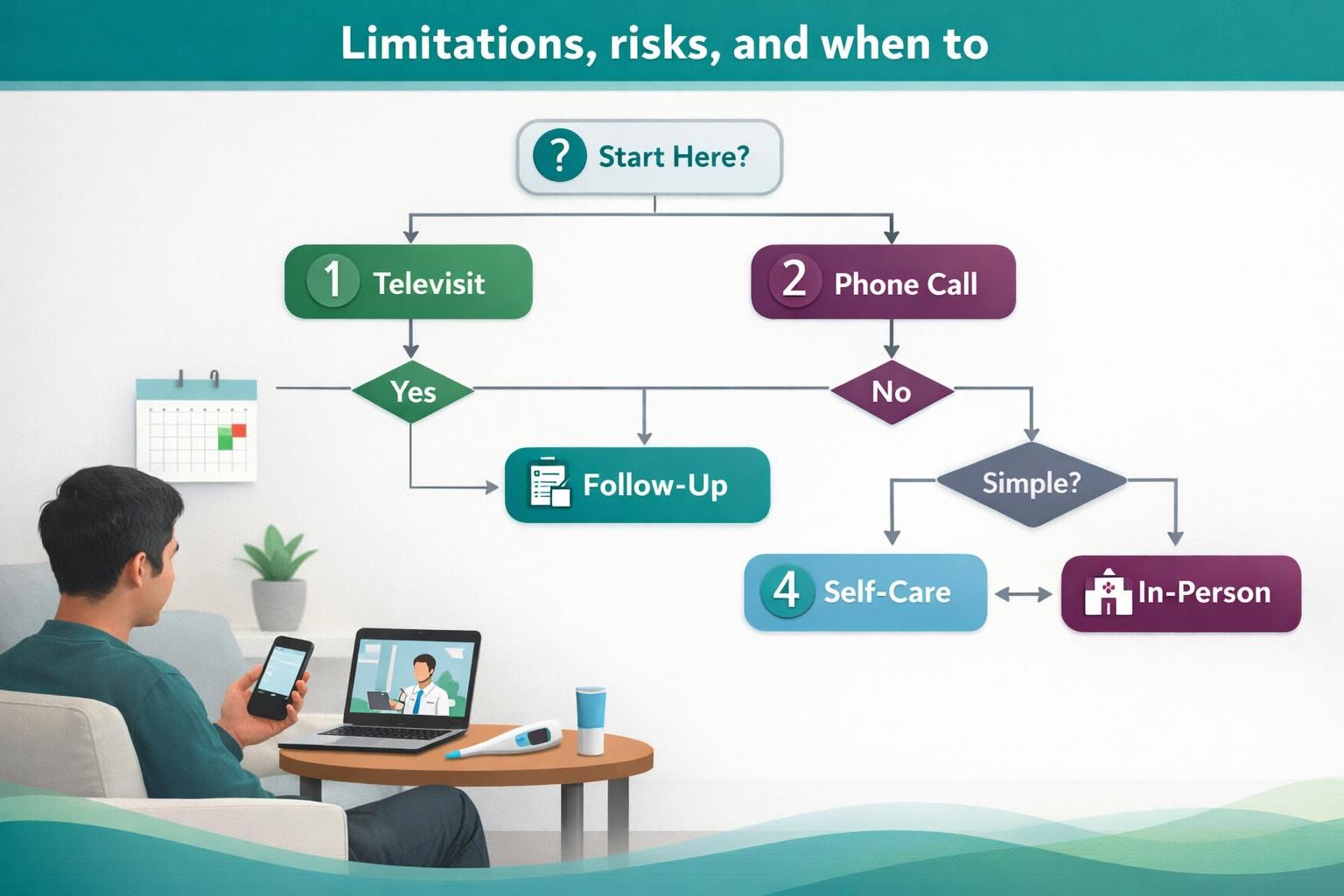
Limitations, Risks, and When to Seek In-person Care
Telehealth has limits: photos can miss texture, tenderness, temperature, and subtle changes, and lighting or camera quality can reduce confidence. Many visits end with a provisional diagnosis and a “come in if it doesn’t improve” plan. Choose in-person care sooner for bleeding or fast-changing growths, severe swelling or breathing trouble, likely procedures (biopsy, freezing, draining, injections), or widespread rash with fever or feeling very ill. For emergencies, go to urgent care/ER or call 911.
What You Need for a Telehealth Appointment
Telehealth works best with solid setup and clear details. You’ll need a smartphone or computer with a webcam/mic and stable internet. Before the visit: take well-lit photos (one wide, one close), add a size reference like a coin, and note onset, triggers, what you tried, and what helped. Have your medication list ready, including OTC creams and supplements. For suspicious hand or foot spots, why palm spots matter shows what clinicians often look for.
Tech Checklist and Troubleshooting Tips
Update the app, charge your device, and test audio/video. Face a light source to reduce shadows. If video freezes, switch Wi‑Fi/cellular or move closer to the router. If you need accommodations, request captioning, assistive tech support, or an interpreter.
Cost, Insurance, and Privacy Basics
Telehealth costs vary by plan and state. Some insurers treat virtual visits like office visits; others cover only certain platforms or require primary care first. Check coverage and copays before booking to avoid surprise bills. Platforms should protect PHI with safeguards like encryption and consent steps, but you should use a private room, avoid public Wi‑Fi, and ask how photos are stored. For families, kids and skin checks clarifies what still needs in-person screening.
Coverage Varies and What to Ask Your Provider/insurer
Before booking, ask: Is the virtual visit covered and what is my copay. Is the clinician in-network for telehealth. Will I get a portal summary. How are photos stored and who can access them. If virtual diagnosis isn’t possible, what’s next and how soon.
Conclusion
Telehealth dermatology can replace an in-person visit for many everyday skin problems, especially when clear photos and a good history tell the story. But it’s not the right tool for every situation, and urgent or high-risk concerns still need hands-on care. If you’re still asking what is telehealth, the simplest answer is this: it’s medical care at a distance, and it works best when you match the problem to the right visit type.