
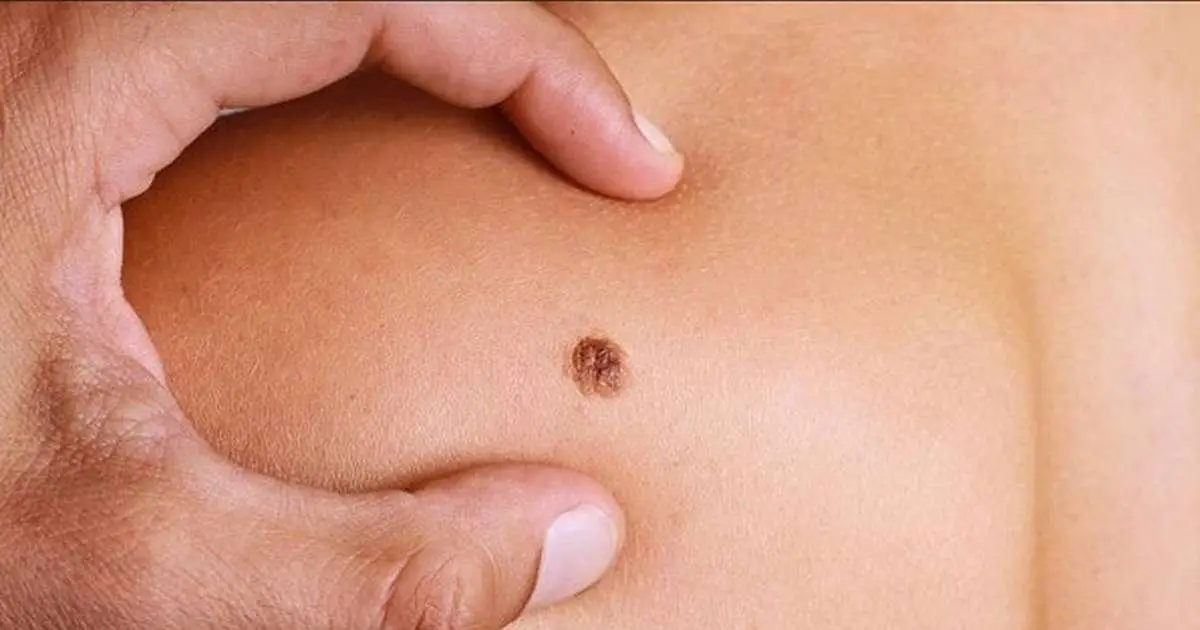
Quick Summary
- Skin cancer is the most common cancer, affecting about one in five Americans, but many cases can be reduced through preventive measures.
- The three main types are basal cell carcinoma (most common and usually curable if caught early), squamous cell carcinoma (can spread if not detected), and melanoma (most dangerous due to rapid spread).
- Major causes and risk factors are tied to UV exposure, including sunburn (five or more can double melanoma risk) and tanning; indoor tanning is linked to over 400,000 U.S. skin cancer cases each year.
- UVB rays primarily cause sunburn and are more likely to cause skin cancer, while UVA rays accelerate aging and can also cause skin cancer.
- Risk reduction steps include using sunscreen regularly, wearing sun-protective clothing (wide-brim hat or UPF apparel), installing window tints, and monitoring the UV index (Seattle averages around 6 in summer).
Skin Cancer Awareness Month: FAQs and Tips to Reduce Your Risk
Skin cancer is the most common type of cancer, affecting one in five Americans throughout their lives, according to the American Academy of Dermatology Association.
The good news is it can be easily mitigated through preventative measures. That’s why, in honor of Skin Cancer Awareness Month, we’re sharing dermatologist Dr. Levy’s insights on the subject to help you understand the risks—and how you can reduce them.
What are the types of skin cancer?
While there are numerous forms of skin cancer, most cases fall into these three main types.
Basal Cell Carcinoma
This is the most common type, accounting for about 80% of all skin cancer cases, according to the Skin Cancer Foundation. While this cancer can be found anywhere in the body, it most commonly occurs in the head or neck.
Because this cancer type grows slowly, it rarely spreads throughout the body, is often curable, and typically results in minimal damage if caught early.
Squamous Cell Carcinoma
The second most common skin cancer type, squamous cell carcinoma is often found on areas that receive the most sun exposure. While it is fairly slow-growing, it can spread to lymph nodes, tissues, and bones, which can complicate treatment if it isn’t detected quickly.
Melanoma
Melanoma is the most dangerous type of skin cancer because it can spread easily throughout the body, often affecting organs if left untreated.
What are the causes of skin cancer?
The primary skin cancer causes and risk factors are related to sun exposure. Sunburn is a primary cause—having over five sunburns can double your risk of melanoma.
Tanning is another big contributor to skin cancer. In fact, more than 400,000 cases of skin cancer in the US each year are related to indoor tanning, according to estimates from the Department of Health and Human Services. While indoor tanning poses a greater risk, tanning outdoors isn’t skin-safe either and can contribute to skin cancer as well—not to mention it leads to premature signs of aging.
What’s the difference between UVA and UVB?
The sun emits several types of rays, two of which pose the greatest threat to our skin: UVA and UVB. Here’s how they differ in their effects:
UVB Rays
- Produce sunburn
- More likely to cause skin cancer
UVA Rays
- Expedite aging and cause wrinkles
- Can also cause skin cancer
How can you reduce your risk of skin cancer?
Fortunately, there are plenty of measures you can take to mitigate the effects of UVA and UVB exposure and reduce the risk of getting skin cancer. These include:
- Applying a good sunscreen regularly
- Wearing sun-protective clothing, such as a wide-brimmed hat or UPF apparel
- Installing window tints for your home or car
It’s also important to keep an eye on the UV index. While Seattle is known for its gloomy weather, by the summer the Seattle UV index climbs to an average of six, which is high. Technology such as the Apple Watch can tell you the UV index in real-time. You can also check the index on online weather sites, such as weather.com.
If you have questions about how to protect your skin or would like any potential sun damage assessed, please schedule an appointment with Dr. Levy in Burien or Bellevue. Regular skin examinations are essential for early detection and prevention of any skin issues. To ensure your skin remains healthy and protected, consider a comprehensive skin examination in Bellevue. Dr. Levy’s expertise will help you understand your skin’s needs and recommend personalized care strategies.