Quick Summary
- Dandruff causes white/yellow flakes and mild itch, often from dry skin or Malassezia. Treat with zinc pyrithione, salicylic acid, or ketoconazole shampoos.
- Seborrheic dermatitis is chronic and inflamed, with red skin and greasy yellow scales. It can affect scalp, brows, nose sides, and behind ears.
- Seborrheic dermatitis treatments include selenium sulfide, coal tar, or ketoconazole shampoos, plus prescribed steroid or antifungal creams.
- Scalp psoriasis is autoimmune, causing thick silvery scales and raised red plaques that may bleed when scratched. Triggers include stress, infections, and some meds.
- Sensitive scalp care: wash 2–3x weekly, use gentle fragrance-free products, moisturize with oils, avoid triggers, and see a dermatologist if persistent.
Sensitive Scalps Dandruff vs Seborrheic Dermatitis vs Scalp Psoriasis
If you’ve ever dealt with an itchy, flaky scalp, you’re not alone. Many people experience scalp issues, and it can be challenging to figure out exactly what’s causing the discomfort. Three common conditions often confused are dandruff, seborrheic dermatitis, and scalp psoriasis. Understanding the differences between these conditions is crucial for finding the right treatment and relief.
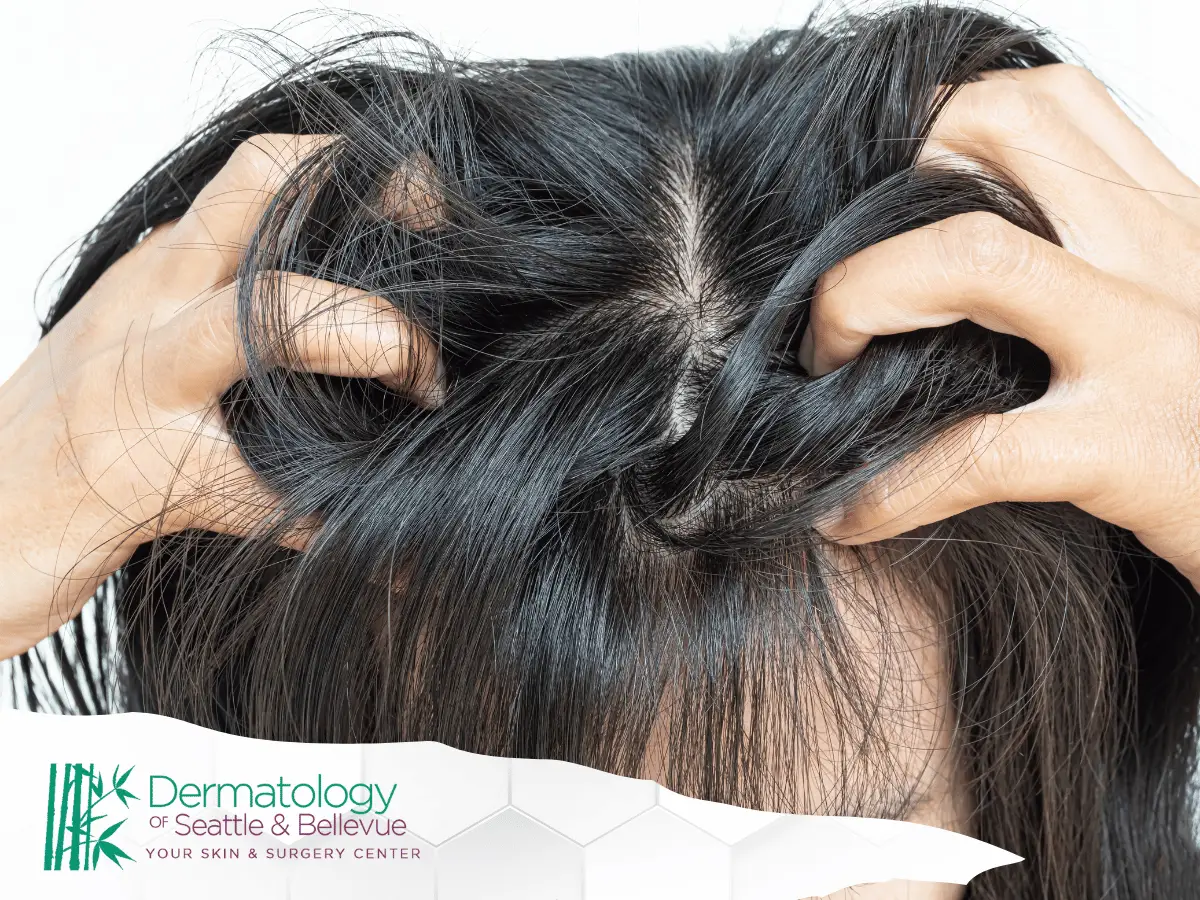
Before diving into the specifics of these conditions, it’s important to understand the basics of scalp health. The scalp, like the rest of your skin, needs proper care and attention. A good scalp care routine can prevent many problems, but when conditions like dandruff, seborrheic dermatitis, or scalp psoriasis arise, specialized approaches might be needed.
Dandruff: The Common Culprit
Dandruff is a widespread scalp condition characterized by flaky skin. It’s usually more annoying than harmful and is often caused by dry skin, sensitivity to hair products, or a yeast-like fungus called Malassezia. While dandruff can be easily managed with proper care, understanding dandruff causes and treatments is essential for long-term relief. Common treatments include medicated shampoos, which often contain ingredients like zinc pyrithione or ketoconazole, to help reduce the scalp’s fungal population. Additionally, maintaining a regular hair care routine and managing stress levels can also contribute to minimizing flare-ups.
Symptoms and Causes
- Flakes: White or yellowish flakes on your scalp and in your hair.
- Itching: Mild to moderate itchiness.
- Dryness: Typically associated with dry skin conditions.
Dandruff often arises from a lack of moisture, so incorporating moisturizing elements into your scalp care routine can be beneficial. Look for shampoos that are labeled as hydrating or moisturizing.
Treatments
- Anti-dandruff Shampoos: Products containing zinc pyrithione, salicylic acid, or ketoconazole can help.
- Natural Remedies: Tea tree oil and coconut oil have antifungal properties and can soothe the scalp.
Seborrheic Dermatitis: More Than Just Dandruff
Seborrheic dermatitis is a more severe form of dandruff. It’s a chronic condition that causes inflammation and is often found in areas with a lot of oil-producing glands.
Symptoms and Causes
- Red Skin: Unlike dandruff, the skin might be red and inflamed.
- Greasy Patches: Yellowish scales that are oily in texture.
- Widespread: Can appear on the scalp, eyebrows, sides of the nose, and behind the ears.
Seborrheic dermatitis is thought to be linked to hormonal changes, stress, and a yeast called Malassezia, similar to dandruff.
Treatments
- Medicated Shampoos: Those with selenium sulfide, coal tar, or ketoconazole are beneficial.
- Topical Creams: Steroid creams or antifungal creams as prescribed by a doctor.
- Lifestyle Changes: Reducing stress and avoiding harsh hair products can help manage symptoms.
Scalp Psoriasis: A Different Beast
Scalp psoriasis is an autoimmune condition that causes rapid skin cell growth, resulting in thick, scaly patches. It’s a more complex condition that often requires medical intervention.
Symptoms and Causes
- Thick Scales: Silvery or white scales that are thicker than dandruff flakes.
- Plaques: Raised, red patches covered with scales.
- Bleeding: Patches may bleed if scratched.
- Genetic: Often runs in families and can be triggered by stress, infections, or certain medications.
Treatments
- Topical Treatments: Corticosteroids and vitamin D analogues can reduce inflammation and slow skin cell growth.
- Phototherapy: Light therapy can be effective for some people.
- Systemic Medications: In severe cases, oral or injected medications might be necessary.

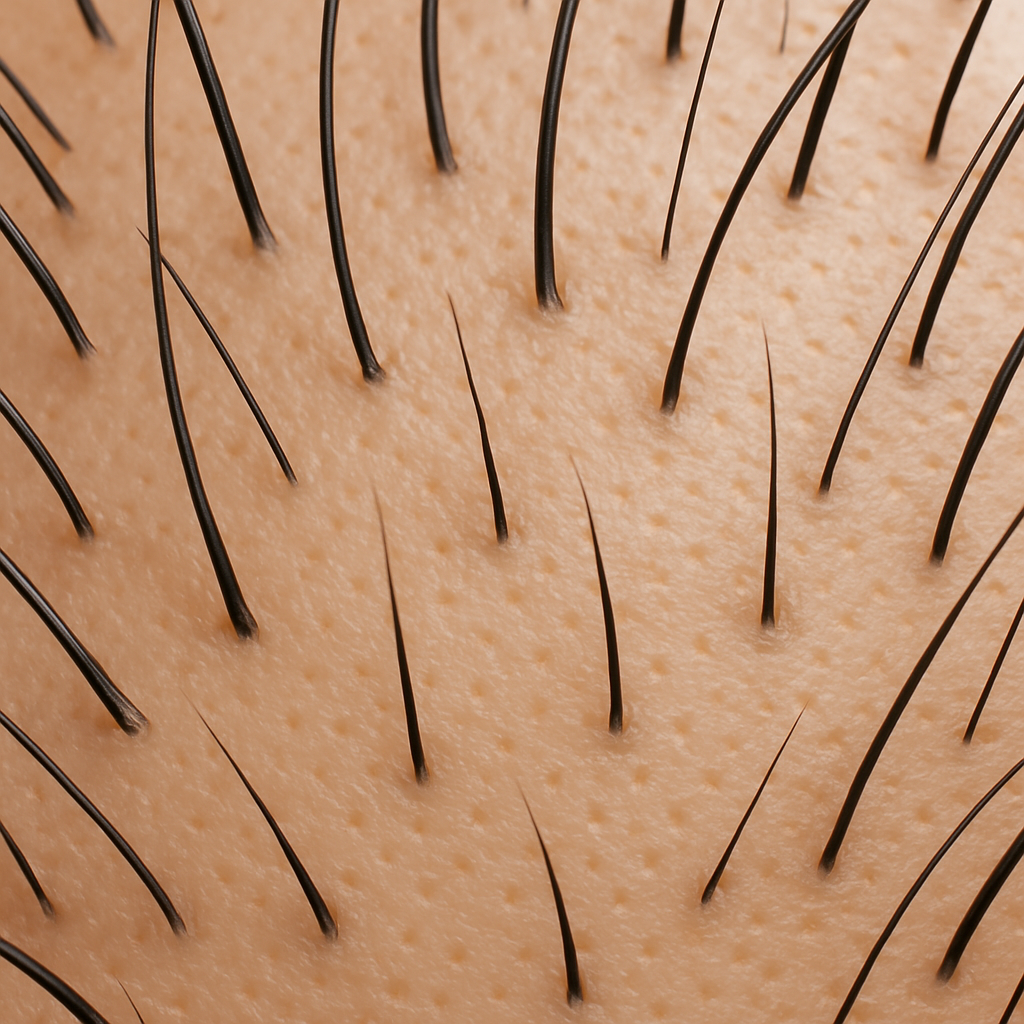
by Afterave Essentials (https://unsplash.com/@afterave)
Crafting Your Scalp Care Routine
For those with sensitive scalps, establishing a consistent scalp care routine is essential. Here are some general tips:
Shampoo Wisely
- Frequency: Don’t over-wash, as this can strip the scalp of its natural oils. Aim for 2-3 times a week unless directed otherwise by a healthcare provider.
- Product Choice: Use shampoos and conditioners designed for sensitive scalps. Avoid those with harsh chemicals or artificial fragrances.
Moisturize Regularly
Keeping your scalp moisturized can prevent dryness and flaking. Consider using natural oils like jojoba or argan oil.
Avoid Triggers
Identify and avoid triggers that worsen your scalp condition. This might include certain hair products, stress, or dietary factors.
Seek Professional Advice
If your scalp condition persists or worsens, it’s important to consult a dermatologist. They can provide tailored advice and treatments that over-the-counter products can’t.
Conclusion
Understanding the nuances between dandruff, seborrheic dermatitis, and scalp psoriasis is key to managing your scalp health effectively. Each condition requires a slightly different approach, and what works for one might not work for another. By recognizing the symptoms and employing the right treatments, you can achieve a healthier, itch-free scalp.
Remember, you’re not alone in this journey, and seeking professional advice can make all the difference. With the right care and attention, you can keep your scalp comfortable and flake-free.