Quick Summary
- Winter is a good time for dermatological procedures that increase sun sensitivity, since UV exposure should be minimized during recovery.
- Laser hair removal targets hair follicles with heat and requires avoiding sun exposure or fake tan, plus waxing or epilation creams, before and after treatments; multiple sessions are often needed.
- Chemical peels exfoliate and peel the skin to reveal smoother skin underneath, but the new skin is temporarily more sun-sensitive and requires avoiding sun exposure; peel strength affects recovery time.
- Laser resurfacing treats issues like hyperpigmentation, wrinkles, and acne scarring by vaporizing damaged surface cells to promote cell turnover and collagen, and it requires recovery time with strict UV avoidance.
- Coolsculpting freezes unwanted fat so the body can eliminate fat cells, often requiring more than one cycle, and dermaplaning removes peach fuzz and dead skin with a scalpel, leaving skin especially sensitive to sun exposure.
Winter is a great time to tackle some dermatological procedures that, while transformative for your skin, leave you more sensitive to damage from the sun’s UV rays. Read on to learn more about five treatments that are perfect for wintertime.
Laser hair removal – Ditch your razor for good with laser hair removal. Laser hair removal works by targeting each hair follicle with intense heat, which kills the follicle. You actually need to avoid sun exposure or fake tan, waxing or epilation cream prior to and after your laser hair removal treatment. It can take a few treatments to get rid of all the hair, so it’s best to plan accordingly and avoid sun exposure and other hair removal treatments during the laser hair removal process.
Chemical Peel – A chemical peel is a technique used to improve the appearance of the skin on the face, neck or hands. A chemical solution is applied to the skin that causes it to exfoliate and eventually peel off. The new, regenerated skin is usually smoother and less wrinkled than the old skin. The new skin is also temporarily more sensitive to the sun. The intensity of the peel varies depending on the ingredient used, as does the recovery time. Even a superficial or “lunchtime” peel will require you to avoid sun exposure for best results.
Laser Resurfacing Treatment – Laser resurfacing treatment can be used for a variety of skin conditions like hyperpigmentation, wrinkles, and acne scarring. The laser treatment vaporizes damaged skin cells at the surface level. This promotes cell turnover and collagen production, improving the texture and appearance of new skin. However, this treatment does require some recovery time and strict avoidance of any UV exposure. If you are considering this treatment, plan ahead and book your laser resurfacing for a time when you will be comfortable avoiding any sun exposure. Our Bellevue clinic offers the Pixel fractional laser.
Coolsculpting – Be ready for the beach when summer comes with winter body sculpting treatments. Coolsculpting, now available in our Bellevue location, is an FDA-approve treatment to freeze unwanted fat. This kills the fat cells, which are then metabolized and eliminated by your body. More than one cycle of Coolsculpting is typically required to see results, so develop a treatment plan with our skilled body sculpting staff before summer comes.
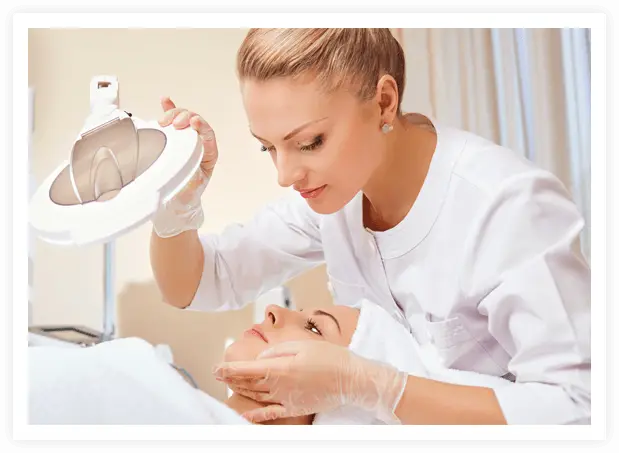
Dermaplaning – Dermaplaning is used to remove peach fuzz and dead skin cells from the skin’s surface, where they can contribute to breakouts, acne, and a dull complexion. A licensed aesthetician uses a surgical scalpel to gently scrape the dead skin cells and peach fuzz from your face, revealing the brighter, softer skin underneath. The new skin will be especially sensitive to sun exposure, so be sure to wear sunscreen and stay out of the sun following your procedure.
Ready to take steps to look and feel your best? Book a consult today!