As we age, small dark spots can start appearing on the face, shoulders, hands, and other sun-exposed areas of the body. These age spots, also known as liver spots or sun spots, are a natural part of the aging process. While harmless, many people look for ways to prevent or reduce their appearance. In this guide, we’ll cover how to prevent and treat age spots, including effective treatment options and prevention strategies to keep your skin looking youthful and healthy.
Quick Summary
- Age spots are flat brown/black/tan marks on sun-exposed skin caused by excess melanin, mainly from long-term UV exposure; aging, genetics, and lighter skin increase risk.
- Prevent new or worsening spots with daily broad-spectrum SPF 30+ sunscreen, protective clothing, shade during peak hours, and avoiding tanning beds; SPF moisturizers, makeup, and lip balm add coverage.
- Support skin protection with antioxidants like vitamin C, vitamin E, and green tea extract, which help limit free-radical damage and can brighten uneven tone.
- Treat existing spots with OTC ingredients such as hydroquinone, retinoids, glycolic acid, vitamin C, and exfoliants; dermatologists may use stronger retinoids, chemical peels, or microdermabrasion.
- Professional options include laser therapy, cryotherapy, and IPL; natural remedies like lemon juice, aloe vera, and diluted apple cider vinegar may help gradually but require consistent use and sun protection.
Understanding Age Spots
Before exploring treatment options, it’s important to understand what age spots are, what causes them, and who is most at risk.
Definition of Age Spots
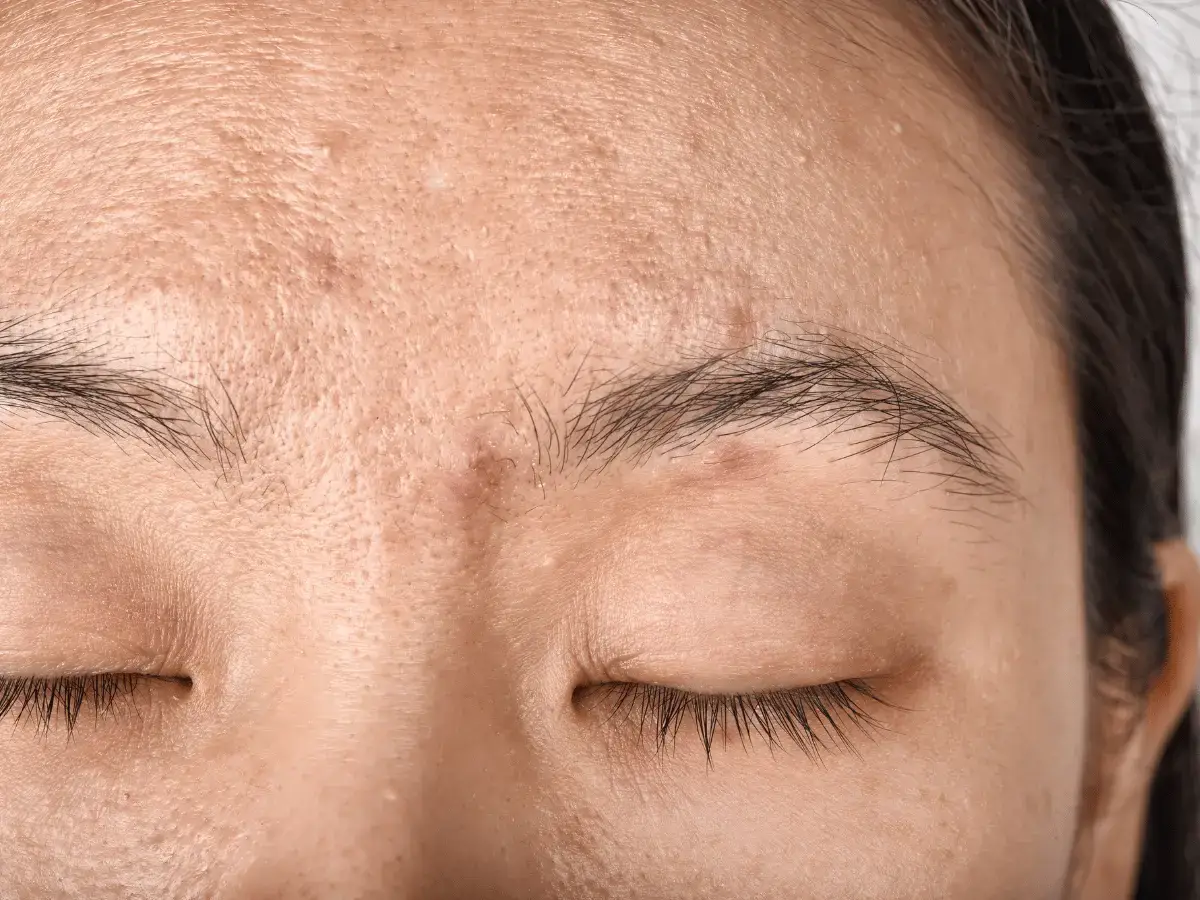
Age spots are flat, brown, black, or tan spots that appear on areas of the skin exposed to sun exposure over time. They are caused by an overproduction of melanin, the pigment responsible for skin color. While often associated with aging, they can also appear in younger individuals who have had excessive sun exposure.
Causes of Age Spots
The primary cause of age spots is prolonged exposure to ultraviolet (UV) light. Other contributing factors include:
- Sun exposure – UV rays accelerate melanin production, leading to darkening in certain areas.
- Aging – As we age, the skin’s ability to regenerate slows down, making age spots more noticeable.
- Genetics – Some individuals are more prone to developing spots due to their family history.
- Skin type – People with lighter skin tend to develop age spots more easily.
Risk Factors for Developing Age Spots
Certain individuals are more likely to develop age spots, especially those who:
- Spend excessive time in the sun without sunscreen.
- Have a history of frequent sunburns.
- Use tanning beds, which can accelerate sun damage.
- Have fair skin color, making sun exposure more impactful.
Preventive Measures for Age Spots
While age spots are a natural part of aging, there are effective ways to prevent them from forming or worsening. Taking the right precautions can help protect your skin and maintain a more even appearance.
Importance of Sun Protection
Since sun exposure is the leading cause of age spots, protecting your skin from UV rays is crucial. Here’s how you can minimize sun damage:
- Use sunscreen daily – A spectrum sunscreen with SPF 30 or higher is essential for preventing the appearance of age spots.
- Wear protective clothing – Long sleeves, brimmed hats, and sunglasses can shield your skin from harmful UV rays.
- Seek shade – Whenever possible, stay out of direct light, especially between 10 AM and 4 PM when the sun is strongest.
Use of Skincare Products with SPF
Incorporating skin care products with SPF into your daily routine is one of the most effective ways to prevent further sun damage. Look for:
- Moisturizers with SPF to protect and hydrate your skin.
- Foundations or BB creams with SPF for added protection.
- Lip balms with SPF to prevent sun exposure on delicate skin.
Incorporating Antioxidants in Your Skincare Routine
Antioxidants can help reduce the appearance of age spots by protecting against free radical damage and supporting healthy skin cells. Effective antioxidants include:
- Vitamin C – Brightens skin and reduces darkening.
- Vitamin E – Supports skin health and prevents sun damage.
- Green tea extract – Helps fight oxidative stress caused by UV exposure.
💡 Tip: Many anti-aging products contain ingredients like hydroquinone, which can help fade age spots over time.
Treating Age Spots
If age spots have already developed, there are various treatment options available to reduce their appearance. Depending on the severity, you can choose from over-the-counter products, prescription medications, or professional procedures.
Over-the-Counter Skincare Products
For mild age spots, certain skin care products can help lighten spots over time. Look for:
- Topical creams with ingredients like hydroquinone, retinoids, or glycolic acid to gradually brighten skin.
- Vitamin C serums to reduce pigmentation and promote skin health.
- Exfoliating treatments that remove dead skin cells and encourage new skin cell turnover.
Prescription Treatments for Age Spots
For more stubborn age spots, a dermatologist may recommend stronger treatment options, including:
- Prescription-strength retinoids to speed up skin renewal and fade spots.
- Chemical peels that use acids to remove the top layer of skin, revealing fresher skin underneath.
- Microdermabrasion, which gently exfoliates the face to reduce pigmentation over time.
Professional Treatment Options
For faster and more noticeable results, professional dermatology treatments can effectively reduce age spots:
- Laser treatments – Laser therapy targets excess melanin to break down pigmentation in the skin.
- Cryotherapy – A freezing procedure that destroys dark spots by applying liquid nitrogen.
- Intense pulsed light (IPL) therapy – Uses light energy to reduce liver spots and sun damage.
💡 Tip: Always consult a dermatologist before choosing a treatment plan to ensure the best results for your skin type.
Natural Remedies for Age Spots
For those who prefer gentler approaches, several natural remedies may help lighten age spots over time. While these methods are not as fast-acting as professional treatment options, they can contribute to an even appearance with consistent use.
Lemon Juice Treatment
Lemon juice is a natural skin brightener due to its light acidic properties:
- Apply freshly squeezed lemon juice directly to the spots for 10-15 minutes before rinsing.
- Use consistently (2-3 times a week) to gradually reduce pigmentation.
- Always apply sunscreen afterward, as lemon juice can make the skin more sensitive to sun exposure.
Aloe Vera Gel Application
Aloe vera is well known for its soothing and healing properties, making it a great option for age spot prevention and reduction:
- Apply pure aloe vera gel to the affected areas daily.
- Leave it on for 20 minutes before rinsing.
- Helps repair sun-damaged skin while providing hydration.
Apple Cider Vinegar Solution
Apple cider vinegar contains natural acids that promote gentle exfoliation, helping to lighten age spots:
- Mix equal parts of apple cider vinegar and water.
- Dab onto the spots with a cotton ball and let sit for a few minutes before rinsing.
- Use cautiously to avoid irritation, especially if you have sensitive skin.
💡 Note: Natural remedies take time to show results, so patience and consistency are key.
Lifestyle Changes for Age Spot Prevention
Beyond topical treatments, certain lifestyle changes can help prevent age spots from forming and maintain overall skin health.
Importance of Balanced Diet
A nutrient-rich diet plays a vital role in keeping skin healthy and reducing signs of aging.
- Eat antioxidant-rich foods like berries, spinach, and nuts to combat sun damage.
- Include omega-3 fatty acids (found in fish and flaxseeds) to maintain skin health and elasticity.
- Limit processed foods and excessive sugar intake, which can accelerate aging and pigmentation issues.
Hydration for Healthy Skin
Staying hydrated helps maintain a youthful appearance and prevents dryness, which can make age spots more noticeable.
- Drink at least 8 glasses of water daily to support skin health.
- Use a hydrating moisturizer to keep skin plump and prevent excessive dryness.
- Incorporate hydrating foods like cucumbers, watermelon, and oranges into your diet.
Avoiding Excessive Sun Exposure
Limiting sun exposure is one of the most effective ways to prevent new age spots from forming and to protect existing ones from darkening.
Smart Sun Protection Strategies
- Apply sunscreen daily – A spectrum sunscreen with SPF 30 or higher helps block harmful UV rays.
- Wear protective clothing – Long sleeves, brimmed hats, and sunglasses provide extra defense.
- Seek shade – Reduce exposure to direct sunlight, especially during peak hours.
- Avoid tanning beds – These can cause further sun damage and speed up the formation of spots.
Conclusion
Age spots are a common sign of aging, but with proper prevention and treatment, their appearance can be minimized. Taking proactive steps such as practicing sun protection, using topical creams, and considering laser therapy or chemical peels can significantly improve skin health. Whether you opt for over-the-counter products, professional treatment options, or natural remedies, maintaining a consistent skin care routine is key to keeping your skin looking its best.
Disclaimer
This article is for informational purposes only and does not replace medical advice. If you’re concerned about age spots or considering a treatment plan, consult a dermatologist for professional guidance.