Preparing for Mohs Surgery
Quick Summary
- Mohs surgery removes skin cancer layer by layer, checking each under a microscope to spare healthy tissue.
- Often chosen for facial basal or squamous cell cancers, with cure rates over 99% in some cases.
- Pre-op consult reviews history, meds, and allergies; you may need to adjust blood thinners only with provider advice.
- Day before: confirm details, arrange a ride home, and wear comfortable clothes; avoid makeup, jewelry, and nail polish.
- Expect several hours with waiting between stages; follow wound-care instructions and attend follow-ups for healing and scar care.
In the vibrant city of Seattle, where the natural beauty of the outdoors meets the hustle and bustle of urban life, skin health remains a paramount concern for many. With skin cancer rates on the rise, Mohs surgery has emerged as a leading treatment option due to its high precision and success rates. If you or a loved one are preparing for Mohs surgery, understanding the procedure and how to prepare can make the experience smoother and less daunting.
Why Choose Mohs Surgery?
The decision to undergo Mohs surgery is typically based on the type and location of the skin cancer. This method is particularly effective for cancers located in areas where preserving cosmetic appearance and function are crucial, such as the face. With a cure rate exceeding 99% for certain types of skin cancer, it is often the preferred method for treating basal and squamous cell carcinomas. Patients considering this procedure can benefit from a thorough understanding of the process and its advantages, which is where a “mohs surgery overview for patients” can be invaluable. This overview typically includes information about what to expect during the surgery, the recovery process, and the potential risks involved. By arming themselves with knowledge, patients can make informed decisions and feel more at ease during their treatment journey.
Preparing for Mohs Surgery in Seattle
Preparation is key to ensuring a successful surgery and recovery. Here’s a comprehensive guide on what Seattle patients should do before the day of their procedure.
Consultation and Evaluation
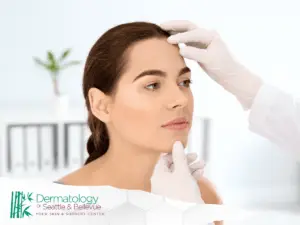
Before your surgery, you’ll have a detailed consultation with your dermatologist or Mohs surgeon. This meeting is your opportunity to ask questions, express concerns, and understand the specifics of your procedure. Your doctor will evaluate your medical history, current medications, and any allergies to plan the safest approach for your surgery.
Medication and Health Considerations

Preparing on the Day Before Surgery
Ensure you’re well-prepared by following these steps the day before your surgery:
- Confirm Your Appointment: Double-check the time and location of your surgery.
- Arrange Transportation: Since you might be drowsy or uncomfortable post-surgery, arrange for a friend or family member to drive you home.
- Plan for Comfort: Wear comfortable clothing and avoid wearing makeup, jewelry, or nail polish to your appointment.
What to Expect on the Day of Mohs Surgery
Arriving at the surgical center with a clear understanding of the day’s events can ease anxiety.
The Surgical Process
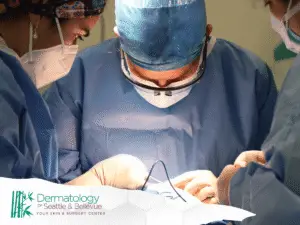
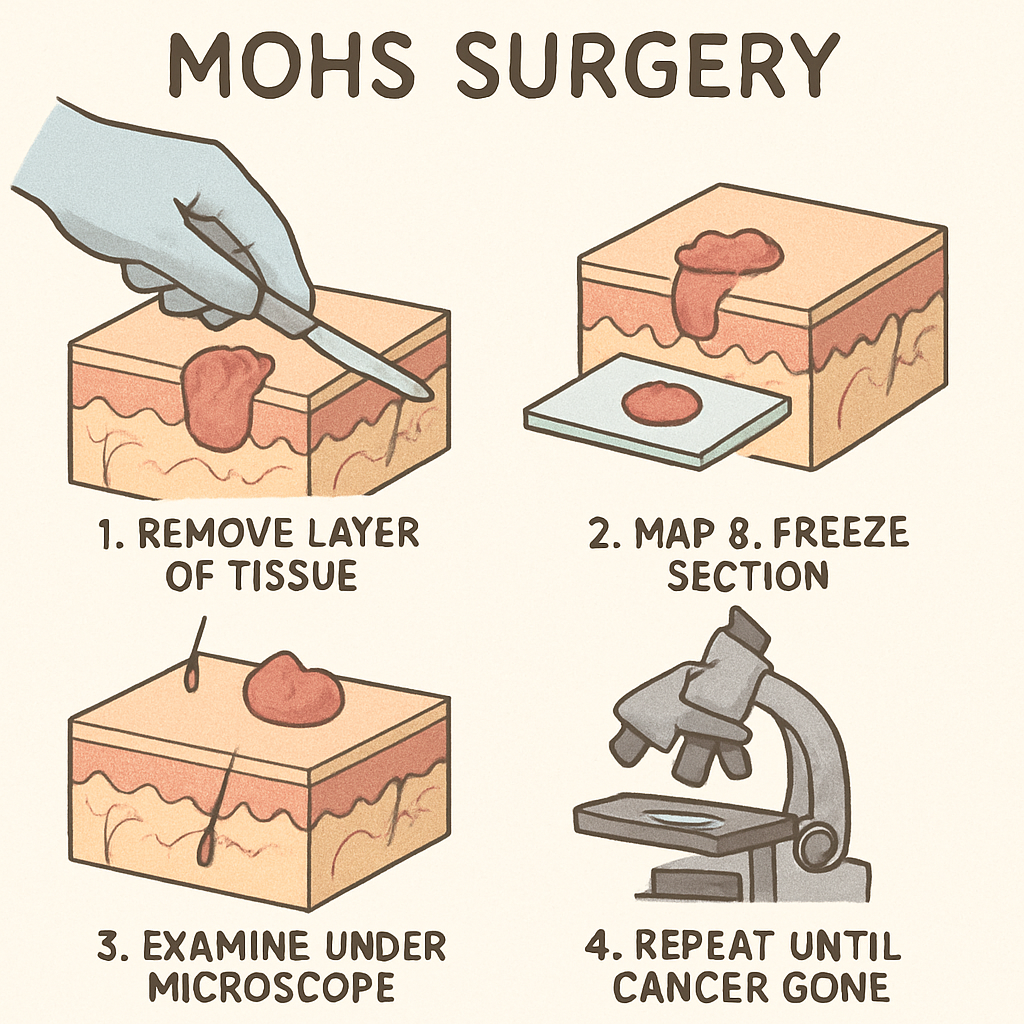
The procedure is typically performed under local anesthesia, allowing you to remain awake without feeling pain. The surgeon will remove a thin layer of skin containing the cancerous cells, which is then examined microscopically. This process is repeated until no cancer cells are detected.
Duration of the Procedure
Mohs surgery is meticulous and can take several hours. This is because each layer removed must be thoroughly analyzed before proceeding. Bringing a book or something to pass the time is advisable, as you’ll spend time waiting between stages.
Post-Surgical Care
After the procedure, you will receive detailed instructions for caring for your wound. This may include applying ointment, changing bandages, and watching for signs of infection. Your doctor will provide guidance on pain management and when to resume normal activities.
Recovery and Healing

Healing is a gradual process that requires attention and care. Follow these guidelines for a smooth recovery:
Follow-Up Appointments
Attending all follow-up appointments is crucial for monitoring your healing process and addressing any complications early. Your dermatologist will check the surgical site and ensure it’s healing properly.
Managing Scarring
While Mohs surgery aims to minimize scarring, some degree of scarring is inevitable. The appearance of scars can improve over time, and treatments such as silicone gels or laser therapy can further enhance the healing process. For women considering skin cancer treatment, understanding various options is crucial. Mohs surgery techniques for women can be tailored to address not only the medical needs but also concerns about cosmetic outcomes. By discussing individual healing expectations and potential scar management strategies with a healthcare provider, patients can feel more empowered in their treatment journey.
Lifestyle and Skin Care
Adopting a sun-safe lifestyle is vital post-surgery to prevent further skin damage. Wear broad-spectrum sunscreen daily, seek shade, and wear protective clothing when outdoors.
Final Thoughts
Mohs surgery is a highly effective treatment for skin cancer, offering both medical and cosmetic benefits. By preparing adequately and following your dermatologist’s advice, you can ensure the best possible outcome. Remember, your skin health is an ongoing journey that requires diligence and care. Understanding the procedure can also help alleviate any anxiety you may have. A thorough mohs surgical technique overview will provide insights into how the surgery is performed and what to expect during the recovery process. This knowledge empowers you to engage more actively in your treatment and make informed decisions about your skin health. Post-surgery, it’s essential to follow your dermatologist’s guidelines to facilitate healing and minimize complications. Familiarizing yourself with the mohs surgery recovery timeline will help you gauge your progress and know what to expect as you heal. This can further reduce any uncertainty and ensure that you maintain open communication with your healthcare team throughout the recovery process.
For Seattle residents, finding a trusted dermatologist who combines expertise with compassionate care is essential. With the right guidance, you can navigate your skin cancer treatment with confidence and peace of mind. Many dermatologists in the area are affiliated with leading skin cancer centers that offer state-of-the-art treatments and support. These facilities provide comprehensive resources, including personalized care plans and access to clinical trials, ensuring that you receive the best possible outcomes. Choosing a dermatologist who is associated with a reputable skin cancer center can make all the difference in your treatment journey.
By staying informed and proactive, you contribute to your overall well-being and skin health. If you have any questions or concerns about Mohs surgery or skin cancer treatment, do not hesitate to reach out to your healthcare provider.