
Quick Summary
- The author describes the pre-surgery routine of patient assessment, local anesthetic infusion, and marking the surgical area.
- During a scalp cyst removal exam, a young man appeared withdrawn and depressed, and the procedure was observed by another physician for certification purposes.
- The observer was impressed by the author’s incision technique that avoids hair loss and decided to adopt it.
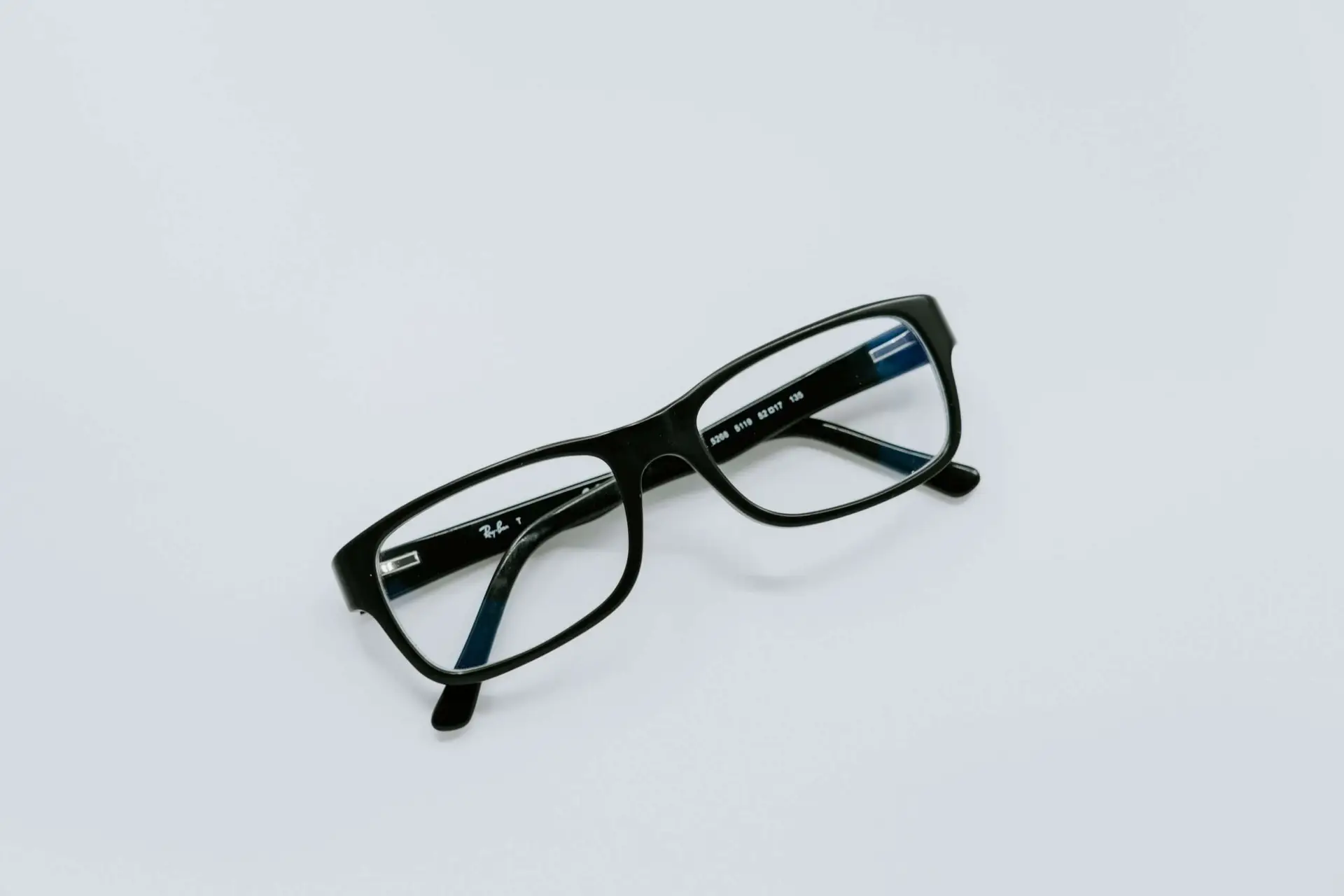
- The author noticed the patient’s glasses were missing a left earpiece and learned he couldn’t afford to replace them.
- After learning he needed a new eye exam and prescription, the author arranged an appointment and offered to pay for both the eye exam and new glasses, emphasizing seeing patients as more than “cases.”
Prior to every surgery in our clinic, we conduct a final examination consisting of a patient assessment, an infusion of local anesthetic, and a marking of the surgical area.
It was during a recent examination of this type that I encountered a young man who was to have a scalp cyst removed. Normally, while waiting for the anesthetic to fully take effect, I engage our patients in small conversations to help make them feel more comfortable. But, this young man was different. He wasn’t very talkative and just kept looking down at the floor. In fact, he looked quite depressed.
This procedure was observed by another physician, as part of the criteria for maintaining our ambulatory surgery center certification. He was greatly impressed when he saw that I used the incision technique for my young patient (so that no hair would be lost). He admitted to never having seen it before and decided to begin using it, as opposed to his current technique.
As I examined him more closely, I noticed his glasses were missing the left earpiece, and I wondered why he hadn’t replaced it. So, after the surgery, I sat him right up and asked him directly, “Why don’t you get a new pair of glasses or replace your earpiece?” He simply replied, “I cannot afford it”.
He mentioned he had been working at McDonald’s and only just started a new job. When I asked him where he went in the past for his eye care, he indicated he had gone to Walmart. Immediately, I asked my nurse to call the Walmart Optical Department to set an appointment for him to get a new pair of glasses.
Later, I called him to find out how he was feeling and to make sure he was going to obtain the new glasses. However, when his wife answered the phone, she informed me that he hadn’t had an eye exam in years and would need a new prescription. So, I told her that I would cover both his eye exam and the glasses. She was very overjoyed and promised he would make an appointment for the exam.
Conclusion: I find it very fulfilling to look beyond the reasons my patients come to our clinic to see if I can make a difference in their lives. They are more than just “cases” to me.