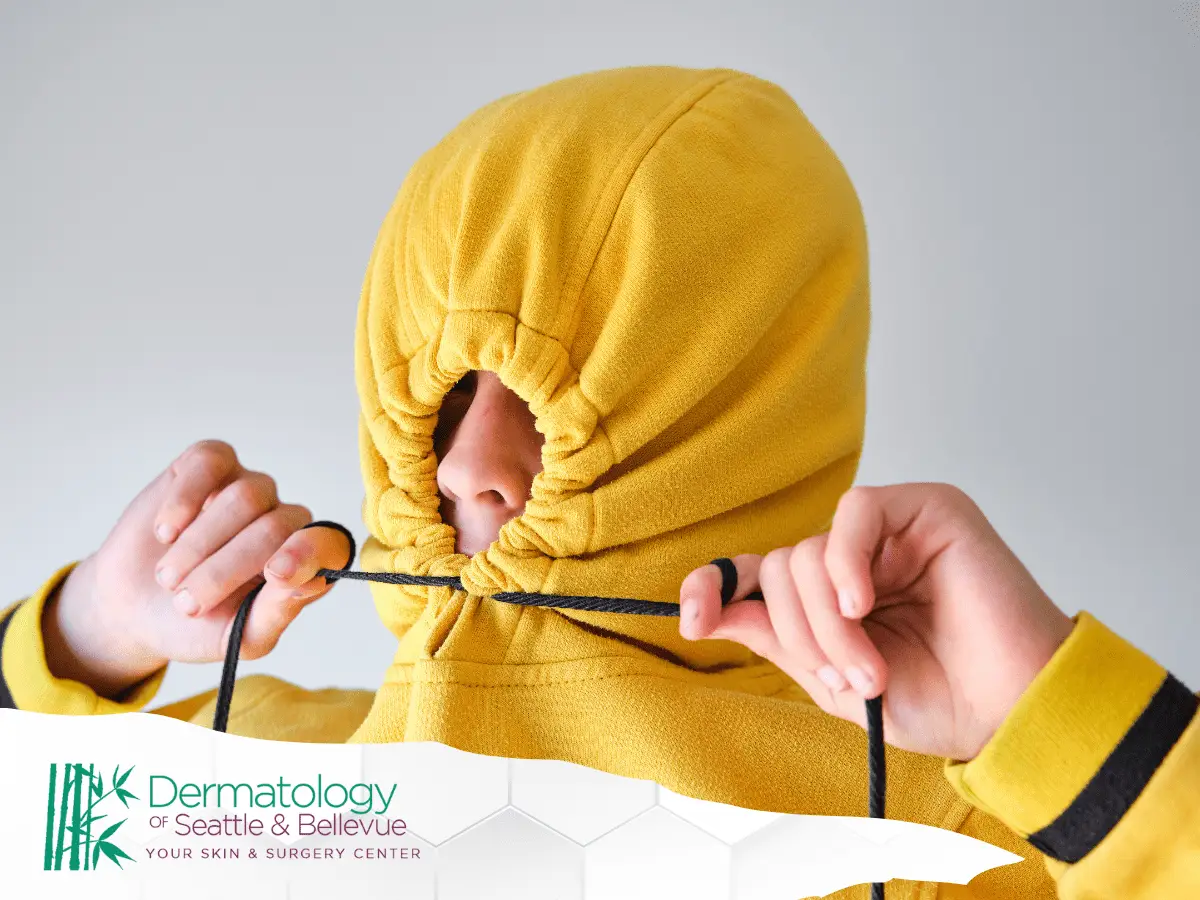
Receiving a skin cancer diagnosis can be overwhelming and emotionally challenging. Feelings of fear, anxiety, or embarrassment are common, but it’s important to remember that skin cancer is a medical condition—not a reflection of your worth or hygiene. Millions of Americans face this diagnosis, and openly acknowledging your journey is the first step toward healing and empowerment. This article explores why you shouldn’t be ashamed and how embracing your experience can transform your outlook.
Quick Summary
- Skin cancer can trigger fear, anxiety, or embarrassment, but it’s a medical condition—not a reflection of worth, hygiene, or personal failure.
- Accepting the diagnosis and recognizing how common skin cancer is can reduce shame and help you focus on proactive care, including early detection, biopsy, and treatments like Mohs surgery.
- Stigma often comes from misconceptions; skin cancer is primarily linked to sun exposure, genetics, and environmental factors, and it may appear as subtle skin changes.
- Sharing accurate information and your experience can educate others, reduce misinformation, and encourage regular skin checks and sun protection.
- Building a support system through dermatologists, counselors, and support groups can provide both medical guidance and emotional resilience during treatment and recovery.
Embracing Your Journey
Coming to terms with a skin cancer diagnosis involves embracing the reality of the condition while recognizing your resilience. Understanding the disease and its commonality can help lessen feelings of isolation and stigma. Every person’s journey is unique, and owning your story can lead to greater self-compassion and courage. It’s also important to be aware of potential pitfalls in the diagnostic process, including the misdiagnosis of skin cancer reasons, which can lead to feelings of distrust and frustration. Seeking second opinions and remaining informed can empower you in your treatment journey. By surrounding yourself with supportive communities and healthcare professionals, you can build a network that fosters healing and understanding.
Accepting Reality
- Accept that skin cancer is one of the most common cancers, with millions of cases diagnosed each year, including basal cell carcinoma, melanoma, and squamous cell carcinomas.
- Recognize that a diagnosis is not a personal failing but a health challenge that many face.
- Understand that early detection, biopsy, and advances in treatment, including Mohs surgery, offer excellent outcomes for most patients.
- Accepting your diagnosis allows you to focus on proactive care and recovery instead of fear or shame.
Finding Inner Strength
Facing skin cancer requires more than just physical treatment; it demands emotional resilience. Many patients find strength in sharing their story, connecting with support networks, and focusing on the aspects of their health they can control. Embracing positivity and self-care routines helps build confidence during the healing process.
Destigmatizing Skin Cancer
Stigma surrounding skin cancer often stems from misunderstandings about the disease and its causes. Breaking down these barriers involves honest conversations and education to normalize the experience and encourage openness. Reducing stigma helps patients feel supported rather than isolated.
Challenging Misconceptions
- Skin cancer is not caused by poor hygiene or lifestyle choices alone—it primarily results from sun exposure, genetics, and environmental factors.
- Not all skin cancers look like obvious lesions; some appear as subtle changes in skin texture or color.
- Early detection through regular skin checks and prompt biopsy is key, and many forms have high survival rates with proper treatment.
- Sharing your experience can educate others and reduce fear and misinformation in the community.
Educating Others
Sharing accurate information about skin cancer helps dispel myths and promotes awareness. Whether through conversations with friends and family or participating in community outreach, educating others fosters a more supportive environment for those affected. Empowering people with knowledge about risk factors, signs, and the importance of sun protection can save lives.
Building a Support System
Navigating a skin cancer diagnosis is easier with a strong support network. Surrounding yourself with understanding friends, family, and healthcare professionals creates a foundation for emotional strength and practical assistance during treatment and recovery.
Seeking Help
- Don’t hesitate to ask for help from dermatologists, counselors, or support groups specializing in cancer care.
- Professional guidance provides not only medical expertise but also emotional support tailored to your needs.
- Connecting with others who have experienced skin cancer can offer valuable insights and encouragement.
- Building a support system fosters resilience and reduces feelings of isolation during challenging times.
Surrounding Yourself with Positivity
Maintaining a positive mindset can significantly impact your healing journey. Engage in activities that bring joy and relaxation, and surround yourself with people who uplift and encourage you. Celebrate small victories and remind yourself that having skin cancer is just one part of your story — not the whole narrative. Embracing hope and self-compassion empowers you to face challenges with strength and optimism.
Disclaimer:
This article is for informational purposes only and is not a substitute for professional medical advice, diagnosis, or treatment. Always consult with a qualified dermatologist or healthcare provider regarding any skin concerns or before starting new treatments.