
Natural Supplements for Eczema
Quick Summary
- Supplements may support eczema when correcting deficiencies or triggers; “natural” isn’t automatically safe; introduce one change and track results.
- Vitamin D may reduce flares if deficient; test first; excess dosing can harm and offers little benefit when adequate.
- Probiotics show mixed evidence; effects depend on strains and dose; trial one labeled product consistently for 8–12 weeks.
- Coconut oil and aloe vera can soothe intact skin but may irritate; patch test and avoid cracked, oozing, infected areas.
- Diet supplements often include omega-3s, probiotics, vitamin D, zinc; evidence varies; deficiency correction is more reliable than mega-dosing.
Introduction
Eczema can be exhausting: itch, dry patches, and flare-ups that disrupt sleep and routines. It is no surprise that many people in Bellevue search for natural supplements for eczema, hoping to calm symptoms from the inside out.
Some supplements may help as support, especially when they address a real deficiency or a consistent trigger pattern. Others have limited or inconsistent evidence. “Natural” also does not automatically mean safe, particularly if you have allergies or take medications.
When you try supplements for eczema, quality and consistency matter. Look for products with clear labeling and realistic claims, and avoid adding several new products at once. Start with the lowest effective approach, give it time, and track results. A simple note in your phone about itch level, sleep, and flare frequency each week can tell you far more than day-to-day impressions.
Before starting a new supplement, it also helps to run a quick safety check:
- Review your medication list for possible interactions.
- Scan inactive ingredients for dyes, flavorings, or botanicals you react to.
- Avoid “proprietary blends” that do not disclose amounts.
- If you are pregnant, breastfeeding, or treating a chronic condition, check with your clinician first.
A helpful way to use supplements for eczema is to treat them like a trial. Pick one option, define what “better” means for you (less itch, fewer flares, improved sleep, less need for rescue medication), and evaluate after a set period while keeping the rest of your routine stable.
Overview of Eczema
Definition and Symptoms
Eczema, often referring to atopic dermatitis, involves skin barrier weakness plus inflammation. When the barrier is impaired, skin loses moisture more easily and becomes more reactive to irritants.
Common symptoms include itch, dryness, redness, scaling, and cracked or thickened patches. Many people notice a cycle: itch leads to scratching, scratching worsens barrier damage, and that fuels more inflammation. Sleep disruption is also common, and poor sleep can worsen stress and inflammation.
Because eczema naturally waxes and wanes, it is easy to credit a new supplement for improvement that may have happened anyway, especially if other changes occurred at the same time. Structured trials and consistent routines matter.
Causes and Triggers
Eczema is influenced by genetics and immune signaling, then amplified by day-to-day triggers. Common triggers include fragranced products, harsh soaps, frequent handwashing, dry indoor air, sweat and friction, stress, and poor sleep. Infections can also worsen flares.
It is also common to have overlap with contact dermatitis, where an ingredient in skincare, shampoo, or detergents drives irritation. That matters because no supplement will “outperform” a daily exposure that keeps the skin inflamed. Supplements may help some people, but they work best when combined with barrier repair and trigger reduction, not as a replacement for them.
Coconut Oil and Eczema
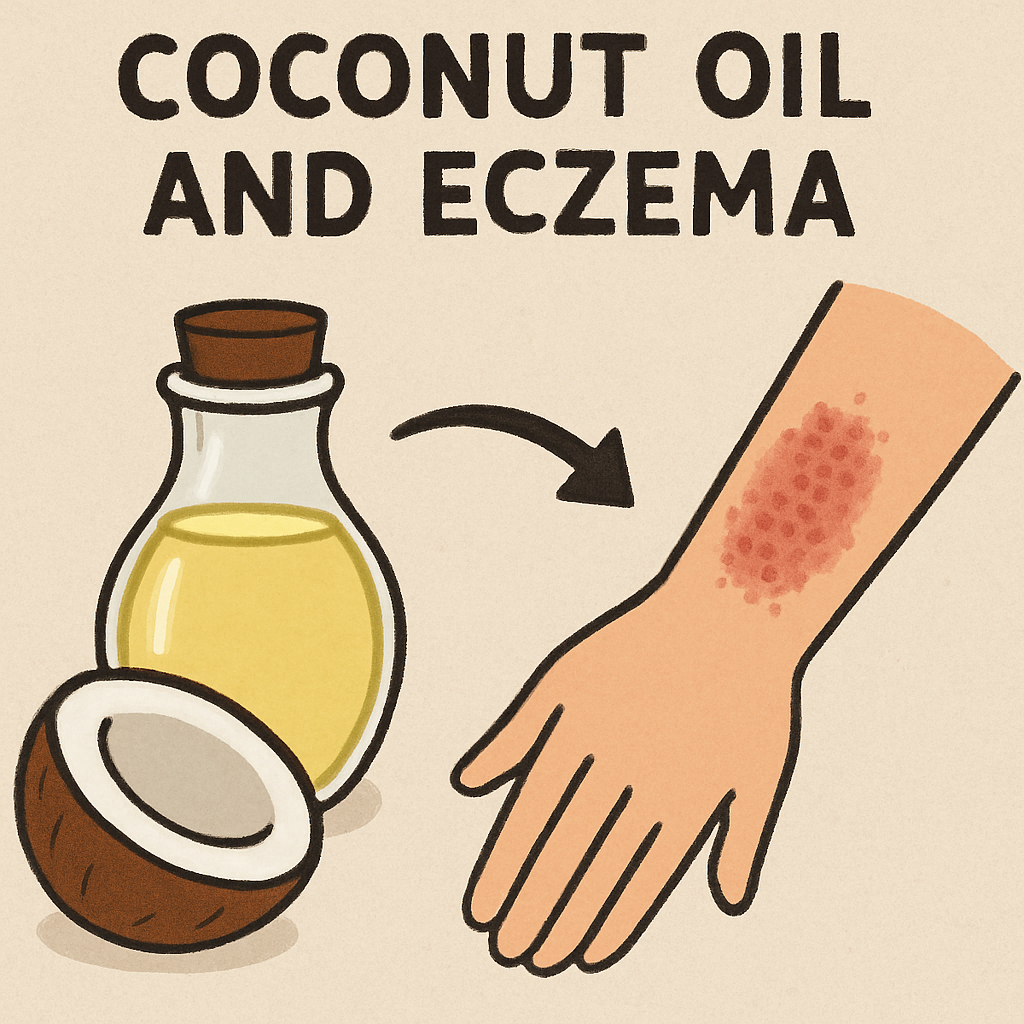
Does Coconut Oil Help Eczema?
People often ask does coconut oil help eczema because it is widely available and feels moisturizing. While not usually discussed as a swallowable supplement in eczema care, virgin coconut oil is a common “natural” topical add-on.
For some people, it can reduce dryness on intact skin and may help lower bacterial burden that can aggravate eczema. For others, it can clog follicles, irritate, or trigger a contact reaction. It is best viewed as an optional moisturizer ingredient, not a standalone flare treatment.
Application Methods
If you want to try coconut oil:
- Patch test a small area for several days first.
- Apply a thin layer to slightly damp, intact skin after bathing.
- Avoid open, cracked, or infected areas unless a clinician advises it.
- Stop if you notice more itching, redness, or bumps.
If coconut oil helps, it often works best layered over a fragrance-free moisturizer rather than replacing one. Think of it as a “seal” to slow water loss.
Evidence and Research
Studies suggest coconut oil may improve hydration and reduce certain skin bacteria, but evidence is limited and not uniform. It does not address all aspects of eczema inflammation, so results vary and it is not reliable as the only intervention.
If coconut oil is not a fit, a plain, fragrance-free ointment or thick cream is often a better first-line barrier option. The goal is consistent moisture and protection, not finding a single “perfect” natural product.
Probiotics and Eczema
Benefits of Probiotics
Probiotics are among the most common supplements for eczema. Interest comes from the microbiome’s role in immune balance and inflammation. Some people report fewer flares or less itch over time.
The challenge is that probiotics are not interchangeable. Effects depend on specific strains, dose, and consistent use. A product that helps one person may do nothing for another.
Evidence Supporting Probiotic Use
Evidence is mixed. Some trials show modest improvement in eczema severity in certain groups, while others show little change. Benefits, when present, tend to be gradual and subtle, not rapid flare control.
Probiotics may be more noticeable when the microbiome has been disrupted, such as after repeated antibiotics, major diet changes, or significant gastrointestinal symptoms. Even then, results are individual.
Dosage and Types
A practical way to trial probiotics:
- Choose a product that lists strains clearly (not only a brand name).
- Use one product consistently for 8 to 12 weeks.
- Avoid starting multiple new supplements at the same time.
- Discuss probiotics with your clinician if you are immunocompromised or pregnant.
If a probiotic worsens bloating or discomfort, stop and reassess. If you are unsure whether it is helping, consider a short break after the trial period to see whether symptoms change when you stop.
Vitamins for Eczema
Vitamin D
Vitamin D is frequently discussed because it supports immune regulation and some people with eczema have low levels, especially during darker months. If you are deficient, correcting that deficiency may help reduce flare frequency or itch intensity for some patients.
How does vitamin D affect eczema and dry skin? It influences inflammatory signaling and aspects of barrier function. If levels are already adequate, taking more is unlikely to add benefit and excessive dosing can be harmful. Testing first is often the safest approach.
Vitamin E
Vitamin E is an antioxidant often marketed for skin health. Evidence for meaningful eczema improvement from supplementation is limited. Topical vitamin E can irritate sensitive skin and can trigger contact dermatitis in some individuals.
If you choose to supplement, avoid very high doses unless directed by a clinician, especially if you take blood-thinning medications. If you notice easy bruising or unusual bleeding, stop and seek medical advice.
Vitamin B12
People searching b12 eczema usually want to know whether B12 will calm flares. Oral B12 is appropriate when there is a deficiency or a high risk of deficiency, but it is not a dependable eczema treatment by itself.
Topical B12 has been studied in some contexts with mixed results. It may help some people with mild to moderate eczema, but it can also irritate, and it does not replace standard anti-inflammatory therapy during active flares.
Evidence and Recommendations
Vitamins for eczema tend to help most when they correct a true deficiency. The “best vitamin for itchy skin” depends on why you are itchy. If itch is driven by eczema inflammation, barrier repair and anti-inflammatory treatment are usually more impactful than adding vitamins.
A sensible approach:
- Consider vitamin D testing if you have frequent flares, limited sun exposure, or winter worsening.
- Avoid mega-dosing vitamins without guidance.
- If you take multiple prescriptions, ask about interactions before adding supplements.
- Reassess after 8 to 12 weeks of a consistent plan.
Aloe Vera Gel for Skin
What is Aloe Vera?
Aloe vera is a plant-derived gel used to soothe irritated skin. Many people try aloe vera gel for skin comfort because it feels cooling and can reduce tightness.
Formulas vary widely. Some products contain alcohol, fragrance, dyes, or added botanicals that can sting and aggravate eczema-prone skin. A simple formula is usually the safer choice.
How Aloe Vera Works on Eczema
Aloe may provide short-term soothing and light moisturizing. The main risk is irritation or allergic contact dermatitis, which can look like worsening eczema.
If you try aloe, patch test first and avoid applying to oozing or infected areas unless a clinician advises it. If it stings on application, wash it off.
Research Findings
Research is limited and results are mixed. Aloe may relieve discomfort for some, but it is not consistently proven as a primary eczema treatment. If it helps, it should complement, not replace, barrier-focused moisturizers and appropriate anti-inflammatory care.
Eczema Diet Supplements
Role of Diet in Eczema Management
Diet is a common focus because immune function and inflammation are influenced by dietary patterns. Some people have clear food triggers, while others do not. For most adults, overall dietary pattern matters more than one “bad” food.
Be cautious with restrictive diets unless a clinician identifies a specific allergy or intolerance. If you suspect a food link, a short elimination trial with reintroduction is more informative than removing foods indefinitely. Also consider common confounders like stress, poor sleep, seasonal dryness, and alcohol, which can mimic “diet triggers.”
Key Supplements to Consider
Common eczema diet supplements include:
- Omega-3 fatty acids for inflammatory support
- Probiotics, depending on strain and tolerance
- Vitamin D when deficient
- Zinc when dietary intake is low or deficiency is present
Trial supplements one at a time so results are interpretable. With omega-3s, the best signal is often gradual: slightly less redness, less itch, or fewer flares over a couple of months rather than a sudden change.
Evidence Overview
The evidence for supplements for eczema ranges from modest support in certain situations to unclear benefit. Studies often use different doses and formulations, which makes firm conclusions difficult. Correcting deficiencies is more reliable than taking high doses “just in case.”
Track itch, sleep disruption, flare frequency, and topical medication use during any trial. If you are not seeing benefit after a fair trial, it is reasonable to stop and focus on higher-impact steps.
Conclusion
Summary of Findings
Natural supplements for eczema may help some people, especially when they correct deficiencies or support overall inflammation balance. Probiotics can be beneficial for select patients depending on strain and consistent use. Vitamin D may help when levels are low. Omega-3s are a common consideration. Topical options like coconut oil and aloe vera gel for skin may provide comfort for some, but they can also irritate sensitive skin and should be patch tested.
Recommendations for Further Research
If you want a structured approach:
- Change one variable at a time and give it 8 to 12 weeks.
- Consider testing for vitamin D or other deficiencies before supplementing.
- Choose products with clear labeling and minimal additives.
- Bring your list of supplements to your clinician so interactions and safety concerns are addressed.
If eczema is frequent, severe, or affecting sleep, professional guidance can help you avoid prolonged trial-and-error and reduce the risk of infection or scarring from scratching.
Disclaimer
This article is for general educational purposes only and does not provide medical advice, diagnosis, or treatment. Supplements and topical natural products can cause allergic reactions, interact with medications, or worsen eczema in some individuals. Do not start, stop, or change prescribed treatments based on this information. Seek care from a qualified healthcare professional if you have severe eczema, a rapidly worsening rash, signs of infection such as increasing pain, warmth, pus, fever, or rapidly spreading redness, or if you suspect an allergic reaction. If you have trouble breathing, facial swelling, or severe symptoms, seek emergency care immediately. For persistent eczema, consult a board-certified dermatologist for diagnosis and individualized treatment, especially before starting new supplements, and discuss lab testing when appropriate as needed.