Molluscum contagiosum is a common skin infection that primarily affects children, causing small, painless bumps or lesions on the skin. While generally harmless, it can spread easily, especially among kids in close contact settings. Understanding what causes molluscum, recognizing its symptoms, and knowing how to manage it can help parents reduce anxiety and care effectively for their child.
Quick Summary
- Molluscum contagiosum is a common poxvirus skin infection causing small, painless, dome-shaped bumps in kids.
- It spreads via skin-to-skin contact or shared items like towels, toys, or pool surfaces.
- Bumps may itch or get irritated; clusters often appear on face, neck, arms, and trunk and can last months.
- Diagnosis is usually by visual exam; it may clear on its own, or be treated with topical meds, cryotherapy, or curettage.
- Prevent spread with hand hygiene, no sharing towels/clothes, and covering lesions; see a clinician if inflamed or worsening.
Overview of Molluscum Contagiosum
Molluscum contagiosum is caused by the molluscum contagiosum virus, a member of the poxvirus family. It leads to clusters of dome-shaped, flesh-colored or pink bumps that can appear anywhere on the body. The virus spreads through direct skin-to-skin contact or contact with contaminated objects like towels or pool equipment. The infection is common in children but can affect adults as well.
Causes of Molluscum Contagiosum
- The molluscum contagiosum virus enters the skin through tiny breaks or scratches.
- Close physical contact with an infected person or contaminated surfaces transmits the virus.
- Children are particularly susceptible due to frequent close interactions and less developed immune defenses.
- Activities like swimming in communal pools may facilitate virus spread through shared surfaces.
Symptoms of Molluscum Contagiosum
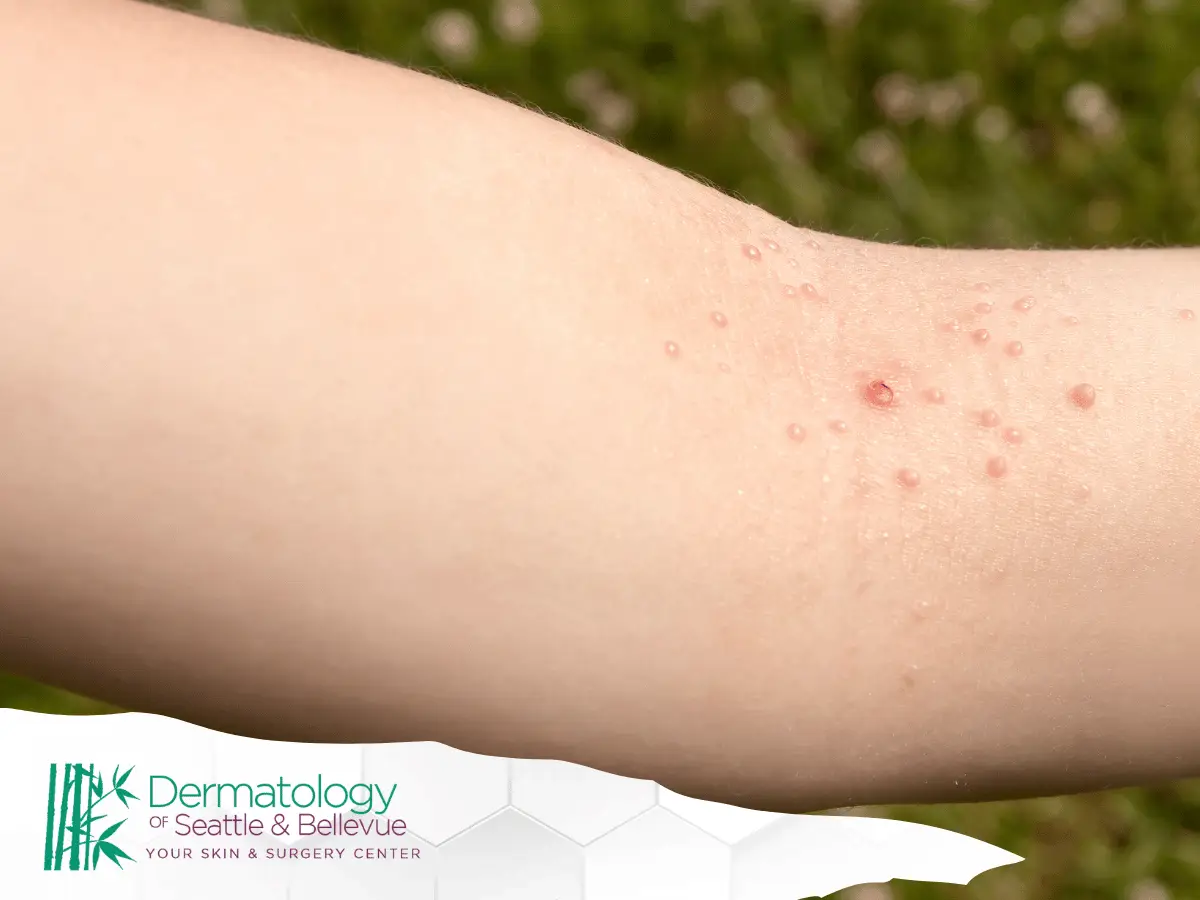
The symptoms of molluscum primarily involve the appearance of small, raised bumps or lesions on the skin. These are typically painless but can be itchy or irritated, especially if scratched. Common characteristics include:
- Dome-shaped, flesh-colored or pink bumps with a dimpled center
- Clusters of lesions appearing on the body, particularly the face, neck, arms, and trunk
- Occasional redness or inflammation around the lesions due to irritation or secondary infection
- The rash can persist for weeks to months, sometimes spreading to new areas
Diagnosis and Treatment
Molluscum contagiosum is usually diagnosed based on the appearance of characteristic lesions. While the infection often resolves on its own, treatment may be recommended to reduce spread and discomfort.
How Molluscum Contagiosum is Diagnosed
- Diagnosis is primarily clinical, based on visual examination by a dermatologist or healthcare provider.
- In rare cases, a skin scraping or biopsy may be performed to confirm the presence of the molluscum contagiosum virus.
- Differentiating molluscum from other childhood rashes or infections is important to guide proper management.
- A thorough history regarding exposure and symptom duration supports accurate diagnosis.
Treatment Options for Molluscum Contagiosum
While molluscum contagiosum often clears without intervention, treatment may speed resolution and reduce spread. Options include topical therapies, cryotherapy, and curettage. These approaches aim to remove lesions safely while minimizing discomfort, especially for children.
Home Remedies for Molluscum Contagiosum
Home care focuses on preventing irritation and spread. Keeping the affected skin clean and dry, avoiding scratching, and covering lesions with a bandage can help. Some parents use gentle skin care products to soothe irritated areas but should avoid harsh treatments without medical advice.
Prevention and Management
Preventing molluscum contagiosum involves reducing transmission risks and managing outbreaks effectively. Good hygiene and awareness are key to controlling this common pediatric skin infection.
How to Prevent Molluscum Contagiosum
- Encourage children to practice clean hands hygiene regularly.
- Avoid sharing towels, clothing, or toys that may carry the virus.
- Cover molluscum lesions with a bandage during activities to minimize spread.
- Limit exposure to communal water sources like pools when lesions are present.
- Educate children and caregivers about avoiding scratching to prevent rash spread.
Managing Molluscum Contagiosum in Children
- Monitor lesions for changes or signs of irritation.
- Maintain gentle skin care routines with mild cleansers.
- Use prescribed or recommended treatment options as directed by a dermatologist.
- Provide reassurance and comfort to children to reduce scratching and secondary infections.
When to Seek Medical Help for Molluscum Contagiosum
- Lesions become painful, inflamed, or show signs of infection such as pus or redness.
- The rash spreads extensively or fails to improve over several months.
- Children experience discomfort affecting daily activities or sleep.
- There is uncertainty about the diagnosis or concern about other possible conditions.
Disclaimer:
This article is for informational purposes only and is not a substitute for professional medical advice, diagnosis, or treatment. Always consult with a qualified dermatologist or healthcare provider regarding any skin concerns or before starting new treatments.