Quick Summary
- A patient with a long-standing, bleeding leg lesion was biopsied and found to have a very deep basal cell carcinoma.
- Despite the diagnosis, the patient initially refused treatment due to pessimism and concern about his low kidney function.
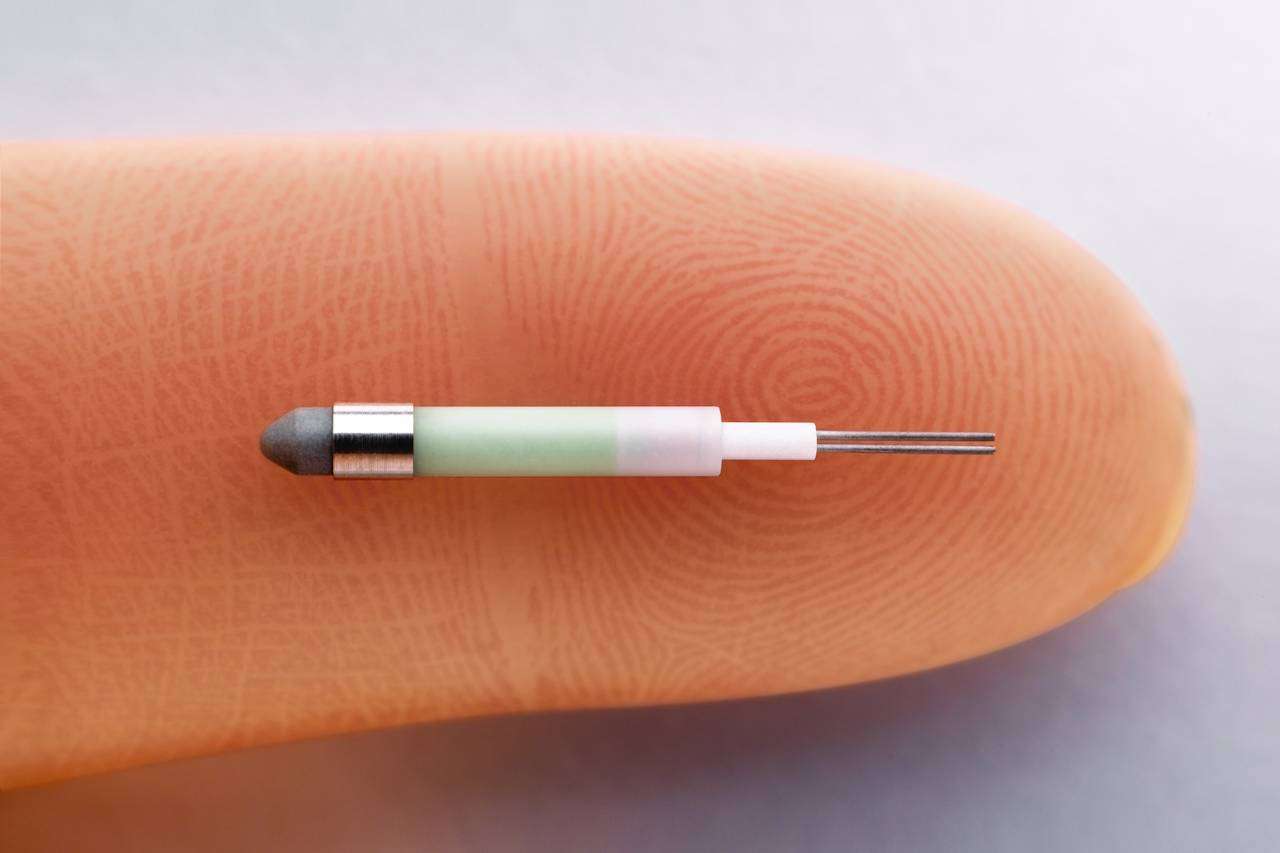
- The clinician explained that surgery wasn’t necessary and offered Electronic Brachytherapy (eBX), a brief in-office radiation treatment lasting about 1.5 minutes per session.
- After an hour-long phone discussion, the patient agreed to try one treatment and began the process after questions were addressed and the area was marked.
- The post emphasizes taking time to explain all options and communicate clearly so patients understand their care choices.
They said he was supposed to be dead in 1970, due to a kidney condition–he is still alive! A patient came in for a growing lesion on his leg for the past few years. It finally started to bleed. My astute PA-C Jonathan immediately took a deep biopsy and sent it in for a stat pathology reading. It was the deepest basal cell carcinoma I had seen in years!!!
This patient is a cynical, pessimistic gentleman. He did NOT want to have it treated. I explained that surgery was not needed. We could perform Electronic Brachytherapy, a light, in-office, radiation treatment to melt it away without surgery. He thought about it for one second and said: “No!” He stated that his kidneys are in low function and that they are likely to get him first.
After an hour on the phone, he finally agreed just to try one treatment. I told him it only takes 1.5 minutes per treatment! We met, marked out the area, answered all his questions and he is now on his way to a cure! Electronic Brachytherapy (eBX) is the way to go where surgery can be complicated or lead to complications. The moral of the story here is to take the time to explain all options and really speak to our patients to ensure they understand.