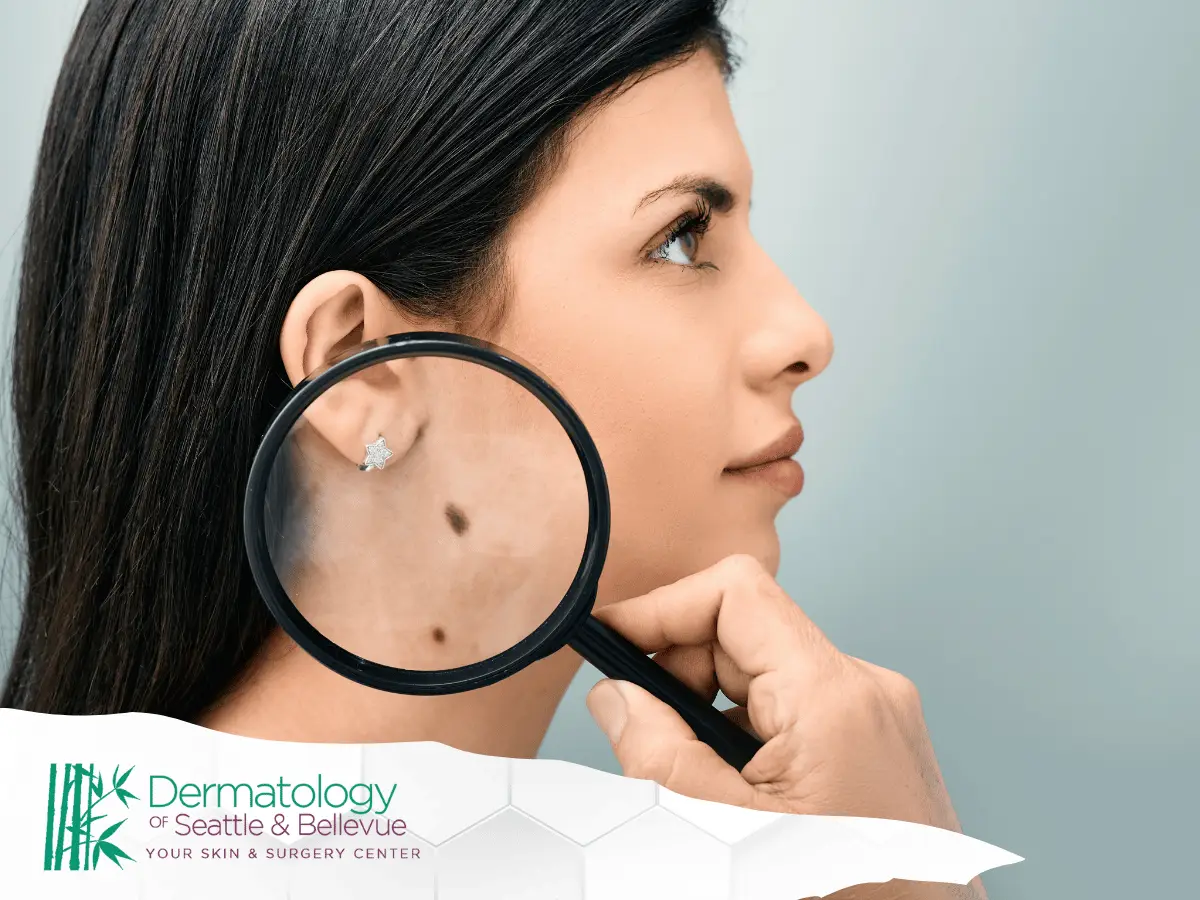
Hormonal shifts can affect everything from your mood to your metabolism—but they also leave their mark on your skin. One area people often overlook? Moles. Whether you’re pregnant, going through puberty, or experiencing another major life phase, you might notice changes in how your moles look, feel, or behave.
Quick Summary
- Hormonal shifts during pregnancy and puberty can change moles by affecting melanocytes, skin thickness, blood flow, and oil production.
- In pregnancy, increased estrogen, progesterone, and hCG may darken existing moles, cause new moles or pigmented marks, and make some moles appear larger or more raised, especially on the abdomen and breasts.
- During puberty, rising androgens can lead to new moles and darkening or enlargement of existing ones, often alongside acne and other texture changes.
- Many mole changes are temporary and may fade after pregnancy or settle after adolescence, but regular self-checks and tracking changes with photos can help spot unusual shifts.
- See a dermatologist if a mole changes rapidly, has irregular borders or multiple colors, or starts itching, bleeding, or scabbing, as these can mimic signs of melanoma.
While not all changes are cause for concern, understanding the link between hormones and mole development can help you monitor your skin and know when it’s time to check in with a dermatologist.
Understanding Hormones
Before we dive into how hormones affect moles, let’s quickly review what these chemical messengers do—and how they can disrupt or reshape your body’s normal patterns.
Overview of Hormones
Hormones are your body’s messengers. Produced by glands like the thyroid, ovaries, and adrenal glands, they travel through the bloodstream to regulate everything from growth and mood to metabolism and reproduction. When hormonal levels shift—as they often do during puberty, pregnancy, and menopause—they can also affect your skin’s behavior.
Common skin-related hormonal changes may include:
- Increased oil production (leading to acne)
- Hyperpigmentation or dark patches (like melasma)
- The appearance or darkening of moles, freckles, or other marks
In many cases, these changes are temporary—but sometimes, they signal something more.
Role of Hormones in the Body
Hormones play a vital role in regulating major bodily functions, including growth, immune response, and the development of skin and hair. During pregnancy and puberty, hormone levels surge or shift dramatically—especially estrogen, progesterone, and androgens.
These changes can affect:
- Melanocytes, the cells that produce pigment in the skin
- Blood flow and skin thickness
- Oil production, which can lead to acne or clogged pores
- The size, shape, or color of moles, especially in hormonally sensitive areas like the abdomen or breasts
These effects aren’t random—they’re driven by the same biological systems responsible for growth and reproduction.
Moles and Skin Changes
Many people have between 10 and 40 moles, also known as melanocytic naevi, scattered across their skin. While most are harmless, they can behave unpredictably during phases of hormonal change.
What are Moles?
Moles are clusters of melanocytes, the pigment-producing cells in your skin. Some are present at birth, while others develop gradually through childhood and adolescence.
Key facts about moles:
- They vary in size, shape, and color
- They may darken with sun exposure or hormonal fluctuations
- Some remain unchanged for years, while others appear suddenly during puberty or pregnancy
- The number of moles you have is influenced by genetics, sun exposure, and hormonal activity
While most are benign, any mole that changes rapidly in appearance should be evaluated by a doctor or dermatologist.
Skin Changes During Pregnancy
During pregnancy, your body ramps up production of several key hormones, including estrogen, progesterone, and human chorionic gonadotropin (hCG). These shifts can have visible effects on your skin—and your moles.
Some common changes include:
- Darkening of existing moles, especially on the abdomen, breasts, or face
- Development of new moles or pigmented marks
- Increased size or raised appearance of previously flat moles
- General skin changes, such as melasma, lineae nigrae (the dark line on the belly), or new freckles
In many cases, these changes are harmless and fade after birth. Still, it’s important to monitor any evolving marks, especially if you notice changes in color, border, or symmetry.
Skin Changes During Puberty
Puberty is another period marked by hormonal upheaval. The surge of androgens can trigger both oil production and skin growth, often leading to visible changes.
During this stage, it’s common to see:
- New moles forming, especially on the back, arms, and chest
- Darkening or enlargement of existing moles
- Appearance of bumps, acne, or textured patches
- Hormonal triggers that interact with genetics, resulting in a higher number of moles for some individuals
While this mole activity is usually part of normal development, regular self-checks are still recommended during adolescence.
Hormonal Influence on Moles
Let’s take a closer look at how these hormonal fluctuations actually affect moles at the cellular level—and why some people experience more noticeable changes than others.
Effects of Hormones on Skin
Hormones influence everything from skin texture to pigment production. When they spike or shift, the skin often reacts in ways that are visible—and sometimes confusing.
Hormonal effects on skin can include:
- Stimulation of melanocytes, which can darken moles or trigger new pigmentation
- Increased oil production, which may clog pores or contribute to acne
- Water retention, causing the skin to appear plumper or more swollen
- Accelerated skin cell turnover, leading to more noticeable bumps or marks
Although these changes are often temporary, they can bring up understandable concerns, especially if moles begin to change in appearance.
Hormonal Changes and Moles
During life stages like pregnancy, puberty, and even menopause, your skin becomes more sensitive to hormonal shifts. These changes can influence the development of moles or alter those that already exist.
- Moles may become more pronounced or slightly raised
- Hormonal triggers can cause dormant melanocytes to cluster, forming new melanocytic naevi
- Areas under hormonal influence—such as the abdomen, breasts, or face—may show the most visible changes
- In rare cases, hormone-sensitive moles may require further evaluation to rule out melanoma
If a mole begins to itch, bleed, or change rapidly in size or colour, it’s a signal to reach out to a doctor or dermatology specialist.
Pregnancy and Moles
Now that we understand how hormones play a role, let’s return to one of the most dramatic examples of hormonal change: pregnancy. For many people, it’s a time when moles, freckles, and pigmentation behave in completely new ways.
Hormonal Fluctuations During Pregnancy
During pregnancy, the placenta produces high levels of estrogen and progesterone—both of which directly affect skin and pigment cells. These hormonal changes are natural and necessary for supporting the developing baby, but they can also alter your skin’s behavior.
Typical hormonal fluctuations may cause:
- Increased melanin production, leading to darker moles or new pigmented areas
- Heightened sensitivity to UV exposure, making pigmentation more likely
- Greater blood flow to the skin, which can make existing moles appear larger or more raised
These changes are usually harmless, but because they can mimic early signs of melanoma, routine self-checks become even more important during this time.
Impact of Pregnancy on Moles
Here’s what many people experience during pregnancy when it comes to moles:
- Darkening or thickening of pre-existing moles
- The appearance of new moles, especially in hormone-responsive areas
- Moles stretching or becoming irregular in shape as the abdomen expands
- Temporary changes that often fade or reverse after birth
🔹 Important to note: If a mole bleeds, itches, or changes rapidly in size or colour, schedule a biopsy or professional evaluation. It’s always better to rule out any risk of skin cancer early.
Puberty and Moles
Hormonal Changes During Puberty
In puberty, rising androgen levels trigger a wide range of skin reactions, including:
- New mole development—especially in sun-exposed areas
- Darkening of existing moles due to increased melanin activity
- Onset of acne, oily skin, and other texture changes
- Emerging genetic traits linked to many moles or unusual pigmentation
These changes may settle after adolescence, but regular mole monitoring during the teen years is wise—particularly for those with a family history of melanoma or skin cancer.
Puberty’s Effect on Moles
During puberty, as the body develops and hormonal changes accelerate, it’s common to see shifts in mole behavior and appearance. Some of the most frequent effects include:
- Growth or darkening of existing moles
- Formation of new melanocytic naevi during the teenage years
- Changes in mole shape or texture, especially in sun-exposed areas like the shoulders and face
- Heightened skin sensitivity due to increased oil production and hormonal fluctuations
While many of these shifts are expected, any mole that stands out—or looks different from others—should be noted and tracked over time.
Monitoring Moles
No matter your age, keeping an eye on your moles is one of the best ways to protect your long-term skin health. While most are harmless, some may evolve in ways that warrant professional evaluation.
Importance of Monitoring Mole Changes
You don’t need to memorize every mole on your body—but it helps to be aware of what’s normal for you. Regular self-checks can help you spot:
- Sudden changes in size, colour, or border
- Moles that become itchy, bleed, or develop an unusual appearance
- New moles that don’t look like the others (this is often called the “ugly duckling” sign)
- Moles located in high-friction areas that get irritated often
Tracking changes over time—either with photos or a mole map—can give your doctor helpful context if a future evaluation is needed.
When to Consult a Healthcare Professional
While most mole changes during pregnancy or puberty are benign, it’s essential to know when to seek expert input. A dermatologist can distinguish between normal hormone-driven shifts and signs of something more serious, like melanoma or another type of skin cancer.
Schedule an appointment if you notice:
- A mole growing rapidly or changing shape
- Irregular borders or multiple colours within the same mole
- Itching, bleeding, or a scab that doesn’t heal
- Any mole that looks noticeably different from others
Trust your gut—if something feels off, get it checked. Early detection can make all the difference.
Conclusion
Hormones can do a lot to your skin—from that “pregnancy glow” to the sudden appearance of a new mole. During life stages like puberty and pregnancy, it’s completely normal to notice changes in your skin growth, pigmentation, or even the number of moles you have.
The key is knowing what’s typical for your body, keeping track of anything new or unusual, and reaching out to a doctor when needed. Whether it’s reassurance or a quick biopsy, being proactive keeps your skin—and your peace of mind—healthy.
Disclaimer
This article is intended for informational purposes only and should not replace professional medical advice, diagnosis, or treatment. If you have concerns about your moles or any other skin changes, consult a licensed dermatologist or healthcare provider.