Holistic Acne Treatment Options
Quick Summary
- Holistic acne treatment reduces irritation, inflammation, hormone swings, friction, and barrier disruption; it supports steady progress, not instant perfection.
- Acne is inflammatory, not a cleanliness issue; harsh scrubbing, over-washing, and drying routines can damage the barrier and worsen breakouts.
- Try targeted lifestyle changes: reduce high-glycemic snacks, monitor skim milk, eat omega-3s, fiber, zinc foods, and consistent protein.
- Manage stress and sleep with repeatable habits like daily walks, wind-down routines, box breathing, and boundaries around late-night scrolling.
- Keep skincare gentle and consistent: cleanse, moisturize, daily sunscreen; add actives slowly; avoid essential oils and heavy products that trigger bumps.
Holistic acne treatment is about reducing the daily inputs that keep acne active: irritation, inflammation, hormone swings, friction, and habits that disrupt the skin barrier. It is not a magic reset and it is not a guarantee. But when you pair thoughtful lifestyle changes with a consistent, gentle skincare routine, many people see fewer breakouts, faster healing, and less redness.
If you are hoping for a holistic acne cure, it helps to set expectations up front. Acne has multiple drivers, and it often improves in layers. Your goal is steady progress you can sustain, not perfection in a week.
Understanding Acne
Acne is common, treatable, and frustrating because it can behave differently from one person to another. Understanding what acne is and what tends to trigger it makes it easier to choose changes that actually move the needle.
What is Acne?
Acne is an inflammatory condition involving hair follicles and oil glands. Breakouts happen when pores become clogged with oil and dead skin cells, bacteria contribute to inflammation, and the follicle wall becomes irritated or ruptures. Acne can appear on the face, chest, back, shoulders, and sometimes along the jawline and neck.
Acne is not a cleanliness issue. Over-washing, scrubbing, and harsh “drying” routines often make acne worse by damaging the skin barrier, which increases irritation and inflammation.
Types of Acne
Acne can show up in different forms, and the type matters because it influences what helps.
Comedonal acne includes blackheads and whiteheads. These are clogged pores and often respond well to gentle exfoliation and consistent routines.
Inflammatory acne includes red bumps and pus-filled pimples. These can be sensitive, swollen, and slower to heal.
Nodular and cystic acne includes deeper, more painful lesions that may linger and increase the risk of scarring. This is the category where holistic treatment cystic acne discussions often come up, because people want fewer severe flares and less long-term damage.
You can have more than one type at once, and acne can shift over time with hormones, stress, and routine changes.
Causes and Triggers
Acne has a few primary drivers: excess oil production, clogged pores, inflammation, and bacteria. What influences those drivers varies.
Common triggers include:
- Hormone shifts, including puberty, menstrual cycles, postpartum changes, and perimenopause
- Stress and poor sleep, which can worsen inflammation and picking behaviors
- Skincare irritation, including harsh cleansers, over-exfoliation, and too many actives
- Occlusion and friction from masks, helmets, chin straps, or tight clothing
- Hair products that migrate onto the face, especially around the hairline and temples
- Certain medications and supplements for some individuals
Diet can matter for some people, but it is not one-size-fits-all. The key is testing changes carefully and not cutting entire food groups without a plan.
Holistic Approach to Acne
A holistic approach does not reject medical care. It widens the focus beyond a single product and looks at what is happening in your daily environment, sleep, stress, diet, and routines that influence inflammation and barrier function.
What is Holistic Acne Treatment?
Holistic acne treatment is an approach that considers the full context around breakouts: lifestyle patterns, stress load, nutrition, gut comfort, hormone cycles, skincare habits, and the role of irritation. The goal is to reduce acne triggers and support the skin’s ability to heal.
It can include:
- Building a skincare routine that protects the barrier and reduces inflammation
- Adjusting diet patterns in a targeted, evidence-informed way
- Stress management that is practical and repeatable
- Movement and sleep habits that support hormone balance and recovery
- Careful use of complementary options, when appropriate
A common question is whether holistic acne treatment actually works. For many people, it helps because it addresses drivers that medications alone do not fix, such as chronic irritation, inconsistent routines, high stress, or dietary patterns that aggravate inflammation. For some people with moderate to severe acne, holistic steps help, but they may not be enough on their own.
Benefits of a Holistic Approach
The biggest benefit is stability. When you lower irritation and support your skin barrier, treatments tend to work better and flare-ups feel less extreme. Many people also notice:
- Less redness and sensitivity
- Fewer “mystery breakouts” tied to lifestyle spikes
- Faster healing and less post-breakout discoloration
- Better tolerance of effective acne ingredients, because the barrier is healthier
- A sense of control, because you are not constantly switching products
Holistic does not mean slow. Some changes, like stopping harsh scrubs or simplifying your routine, can reduce irritation quickly. Others, like diet and stress patterns, take longer to show up on your skin.
Lifestyle Changes for Clearer Skin
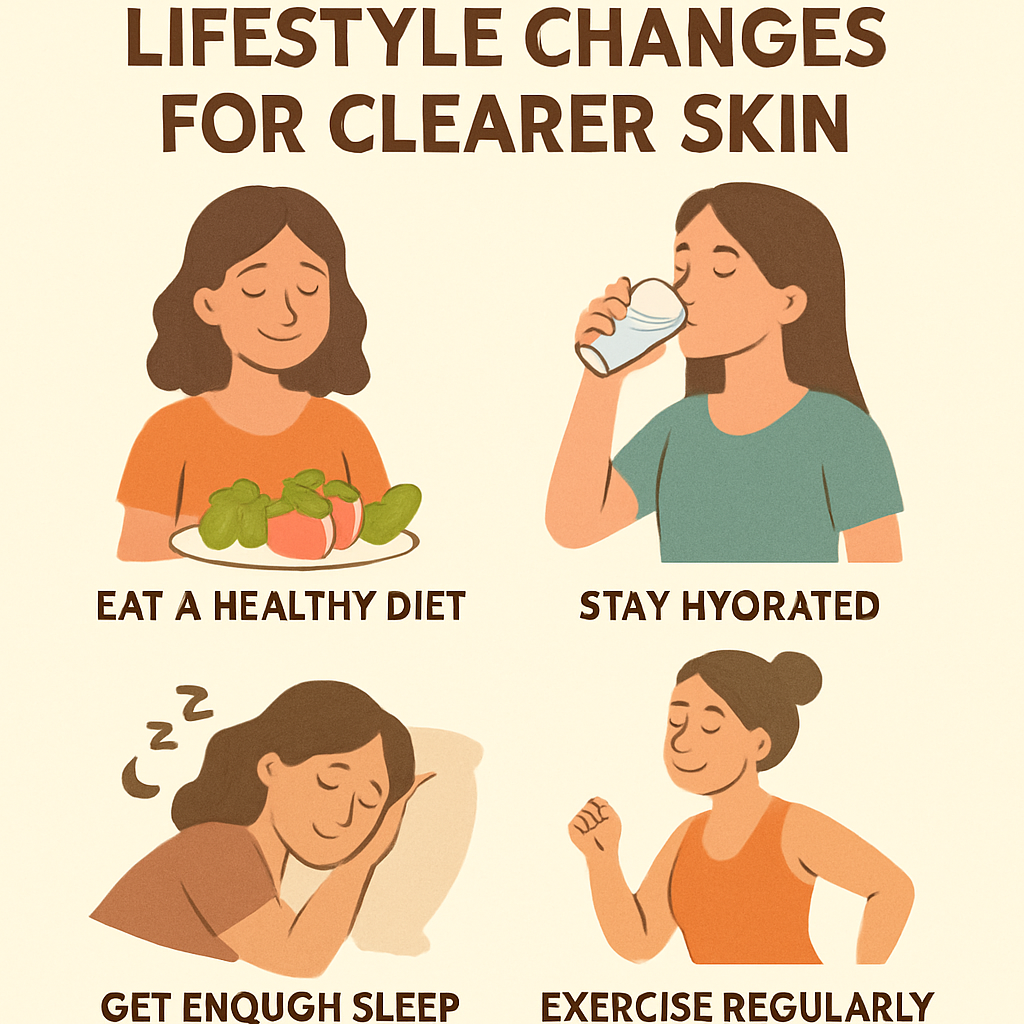
Lifestyle changes work best when they are specific. Pick one or two changes, track your skin for a few weeks, then adjust. Trying to overhaul everything at once often leads to confusion and burnout.
Diet and Nutrition
Diet is one of the most debated topics in acne care. The balanced view is that diet can influence acne for some people, especially when it affects insulin spikes, inflammation, or gut comfort, but diet is rarely the only cause.
If you want to know what diet changes help with acne, start with the highest-yield experiments:
- Reduce high-glycemic foods for a few weeks, especially frequent sugary snacks and sweet drinks
- Pay attention to dairy, particularly skim milk, if you suspect a connection
- Focus on consistent meals rather than constant grazing, which can reduce blood sugar swings for some people
Gluten is not a universal acne trigger. If you suspect it, be careful: removing gluten without a clear reason can complicate nutrition. A better plan is a targeted trial with good tracking and a return-to-baseline test.
The biggest diet mistake is going too extreme. Your skin needs protein, fats, vitamins, minerals, and fiber to repair and regulate inflammation. Consistency beats perfection.
Essential Foods for Acne-Prone Skin
There is no single “acne diet,” but some foods support a calmer inflammatory environment and better barrier function:
- Omega-3 sources, such as fatty fish, walnuts, and chia seeds
- High-fiber foods, including beans, lentils, oats, and vegetables
- Colorful produce, which provides antioxidants that support skin recovery
- Zinc-containing foods like pumpkin seeds, chickpeas, and seafood
- Protein at each meal to support stable energy and tissue repair
Hydration matters, but it will not replace skincare. Think of hydration as a baseline that supports normal skin function, not a standalone acne fix.
Foods to Avoid
Foods to avoid are personal, but a reasonable starting list for a short trial includes:
- Sugar-heavy foods and drinks consumed frequently throughout the day
- Highly processed snacks that combine refined carbs and oils
- Large amounts of skim milk if you notice a pattern
Avoiding everything at once is rarely helpful. Pick one target, track it, and see if your skin changes in a way that is consistent over multiple weeks.
If you have a history of disordered eating or anxiety around food, skip restrictive trials and focus on barrier-friendly skincare, stress, and sleep first.
Stress Management Techniques
Does stress really cause acne and how do you manage it? Stress does not create acne in a vacuum, but it can worsen inflammation, increase oil production for some people, disrupt sleep, and increase picking. It can also lead to inconsistent routines, like skipping skincare or eating patterns that trigger spikes.
Stress management for acne should be practical. Choose something you will actually do:
- A brief daily walk without your phone
- A consistent wind-down routine before bed
- Setting boundaries around doom-scrolling or late-night work
- Short, scheduled breaks during the day to reduce overall nervous system load
The goal is reducing the peaks and keeping your baseline calmer.
Mindfulness and Meditation
Mindfulness is not about being calm all the time. It is about noticing stress earlier and responding before it escalates. Even five minutes can help if you do it consistently.
Simple options include:
- Box breathing for a few minutes during a stressful moment
- A guided body scan before sleep
- Journaling to reduce rumination, especially if you tend to pick at your skin when anxious
If meditation makes you restless, use movement as your mindfulness. Slow stretching, a relaxed walk, or light yoga can provide the same nervous system benefits.
Physical Activity
Regular movement supports sleep quality, stress regulation, insulin sensitivity, and overall inflammation. You do not need extreme workouts. Consistency is the main factor.
If you are acne-prone, the key is what happens after exercise:
- Shower or cleanse soon after sweating, especially on the back and chest
- Change out of tight, sweaty clothing quickly
- Avoid leaving sweat and friction on the skin for hours
For some people, tight athletic gear and friction are bigger triggers than sweat itself.
Skincare Routine
A holistic approach still needs a real skincare routine. The most common reason “natural” routines fail is because they rely on harsh DIY ingredients or inconsistent habits.
A practical routine for acne-prone, easily irritated skin:
Morning:
- Gentle cleanser or a water rinse if you are very dry
- Moisturizer if your skin feels tight
- Daily sunscreen
Night:
- Gentle cleanser
- Targeted acne treatment if tolerated
- Moisturizer to support the barrier
If you are using active ingredients, start low and slow. Many people worsen acne by adding multiple actives at once and damaging the barrier.
Non-Comedogenic Products
Non-comedogenic products are designed to be less likely to clog pores, but labels are not perfect. Focus on how your skin responds. If a product consistently leads to small bumps or inflamed pores, it is not the right fit for you, even if the label says non-comedogenic.
Product categories to review if you keep breaking out:
- Heavy facial oils and thick occlusive balms used over acne-prone areas
- Hair products that touch your forehead and temples
- Makeup and sunscreen that feel greasy and slide around
Also consider your tools. Dirty makeup brushes and reusable face cloths can irritate and introduce bacteria.
Use of Essential Oils for Acne
Essential oils for acne are popular, but they are not risk-free. Many essential oils can irritate skin, worsen dermatitis, and damage the barrier, which can make acne look worse. If you choose to use essential oils, safety is the priority.
Guidelines if you are considering essential oils for acne:
- Never apply undiluted essential oil directly to the skin
- Avoid using essential oils on open acne lesions or irritated patches
- Do a patch test for several days before using more broadly
- Do not use essential oils as a replacement for proven acne treatments if acne is moderate to severe
For many acne-prone people, fragrance and botanical extracts are triggers. If you notice stinging, redness, or increased bumps after adding essential oils, stop and simplify.
Holistic Treatment for Cystic Acne
Cystic acne is not just “regular acne but worse.” It is deeper inflammation that can affect confidence and increase scarring risk. Holistic steps can support fewer flares, but persistent cystic acne often needs medical guidance to prevent long-term scarring.
Understanding Cystic Acne
Cystic acne includes deep, tender lumps under the skin that may not form a visible head. These lesions can last for weeks and often recur in similar zones, such as the jawline, chin, cheeks, or back. Hormones frequently play a role, but cystic acne can also be driven by inflammatory sensitivity, occlusion, or incorrect product use.
If you are researching holistic treatment cystic acne, it is important to be realistic. Lifestyle changes may reduce frequency and severity, but they may not fully control cystic acne on their own.
Specific Lifestyle Adjustments
The lifestyle adjustments most likely to help cystic acne include:
- Keeping routines consistent, because constant product switching increases irritation
- Reducing high-glycemic patterns, especially frequent sugary snacks
- Managing stress and sleep, because hormone shifts and cortisol spikes can worsen flares
- Minimizing friction and occlusion, including tight collars, helmets, and chin straps
- Avoiding aggressive spot treatments that burn the skin and trigger more inflammation
If cystic flares cluster around the menstrual cycle, tracking timing can help you and a clinician plan prevention strategies.
Complementary Therapies
Complementary therapies can be supportive when they are safe, realistic, and used alongside a solid routine. Examples include:
- Stress-reduction practices that reduce picking and inflammation
- Professional extractions and gentle acne-focused facials in appropriate cases
- Light-based therapies in clinical settings, when recommended
Be cautious about supplements and detox protocols. “Natural” does not automatically mean safe, and some supplements can interact with medications or cause side effects.
Acupuncture
Acupuncture is sometimes used as part of a holistic acne plan, usually aimed at stress regulation and overall wellbeing. Some people report improved sleep and reduced stress, which can indirectly help breakouts. Acupuncture is not a standalone acne treatment and should not replace medical evaluation for severe or scarring acne.
If you pursue acupuncture, choose a licensed professional and keep your skincare routine stable so you can interpret what is helping.
Herbal Remedies
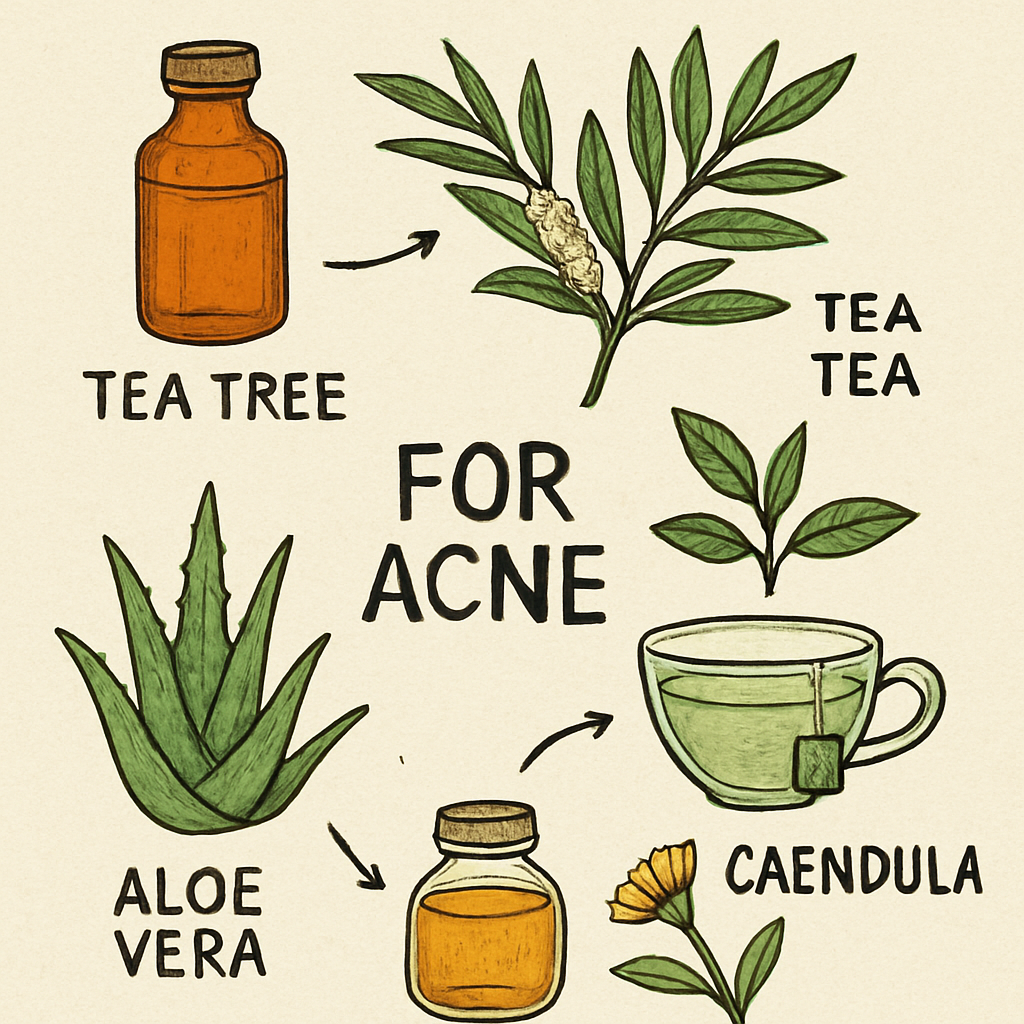
Herbal remedies are commonly marketed as a holistic acne cure, but outcomes are unpredictable and quality varies. Some herbs may influence inflammation or hormones, but they can also cause side effects, interact with medications, or worsen skin irritation.
If you are considering herbs:
- Avoid combining multiple new remedies at once
- Be cautious if you are pregnant, trying to conceive, or breastfeeding
- Discuss supplements with a clinician if you are taking prescription medications
If your goal is to clear acne naturally without medication, you can still keep medical care on the table. A safer approach is to try high-yield lifestyle changes first, then reassess. If acne is painful, persistent, or scarring, consider integrating proven medical options rather than waiting months while inflammation continues.
A common question is whether holistic acne treatment is safe to combine with prescription medications. In many cases, yes, because holistic steps are often barrier support, stress management, and nutrition habits. The caution is with supplements, essential oils, and harsh DIY products. If you are on prescription acne therapy, keep your routine gentle and confirm any supplements with your clinician.
Conclusion
Holistic acne treatment works best when it supports the basics: calmer inflammation, a healthier skin barrier, and fewer daily triggers. It is not an all-or-nothing decision between natural and medical care. Many people do best combining sustainable lifestyle changes with evidence-based treatment when needed.
The Importance of a Holistic Perspective
A holistic perspective helps you stop chasing a single miracle product. It encourages you to look at patterns: stress spikes, sleep disruption, diet habits, friction, and over-treatment that quietly keep acne active. When you reduce those inputs, breakouts often become less intense and easier to manage.
Final Thoughts on Holistic Acne Cure
If you are searching for a holistic acne cure, focus on progress that holds up over time. Start with a gentle routine, cut obvious irritants, and make one or two lifestyle changes you can sustain. Give each change enough time to judge results. If acne is severe, painful, or leaving marks, consider professional help sooner rather than later. A combined plan can still fit the goals of holistic acne treatment while protecting your skin long-term.
Disclaimer
This article is for general educational purposes only and does not provide medical advice, diagnosis, or treatment. Acne has multiple causes, and what works for one person may not be appropriate for another. Do not start, stop, or change prescription medications based on this information. If you have severe acne, painful cystic breakouts, scarring, significant skin irritation, or concerns about supplements or essential oils, seek guidance from a qualified healthcare professional.