
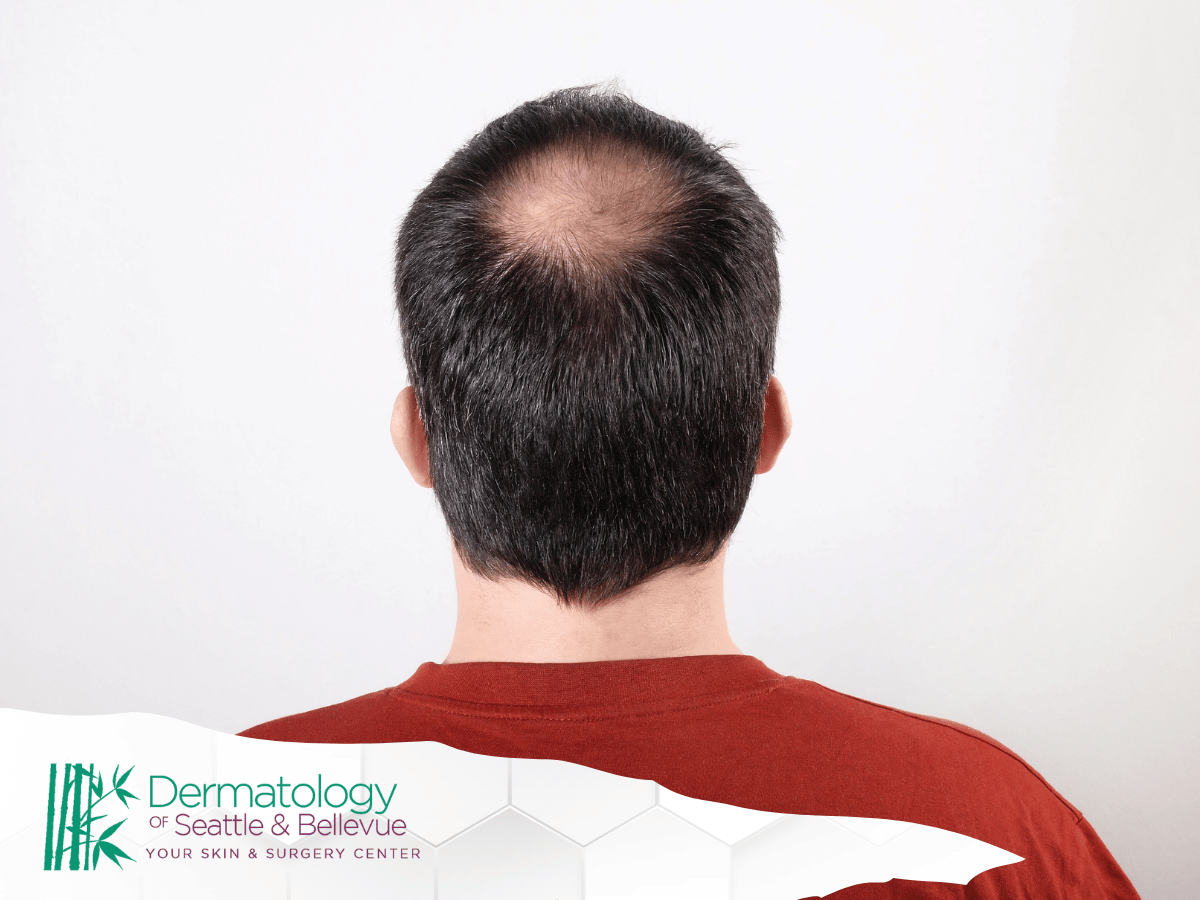
High Blood Pressure, Medications, and Hair Loss
Quick Summary
- Hypertension alone rarely causes hair loss; shedding usually reflects stress, genetics, hormones, nutrient issues, conditions, or medication side effects.
- Hair shedding often appears 2–4 months after triggers; diffuse shedding suggests telogen effluvium, while patterned thinning suggests androgenetic alopecia.
- Some antihypertensives can cause drug-induced telogen effluvium; shedding may start 6–12 weeks after starting, stopping, or dose changes.
- Don’t stop blood pressure medication alone; review options with your clinician, document timelines, and consider thyroid and iron testing.
- Seek dermatology evaluation for persistent, patchy, painful, or scarring loss; scalp exam can identify inflammatory or autoimmune causes.
Introduction
If you have noticed more shedding in the shower or a widening part and you also have hypertension, it is natural to wonder: does high blood pressure cause hair loss, or is it the medication? In most cases, hair loss is not caused by blood pressure alone. More often, shedding reflects a mix of stress on the body, genetics, hormones, nutrient issues, underlying conditions, or a medication side effect.
Hair follicles are sensitive to change, but they respond slowly. Many shedding episodes reflect what happened two to four months earlier, not last week. This guide explains the likely connections between hypertension, antihypertensive drugs, and common hair loss patterns, and how to approach next steps in Bellevue if you want clarity.
Understanding High Blood Pressure
What is High Blood Pressure?
High blood pressure, also called hypertension, is when the force of blood pushing against artery walls is consistently too high. Over time, uncontrolled hypertension can strain blood vessels and organs, including the heart, brain, kidneys, and eyes. Many people have no symptoms, which is why it is often discovered during routine checkups.
Hypertension is common and treatable, but it requires long-term management. That long time horizon matters for hair, too.
Causes and Risk Factors
High blood pressure can develop for many reasons. Genetics, age, weight, diet, sleep quality, and activity level can all contribute. Stress, alcohol use, smoking, and certain medical conditions may also raise blood pressure.
For hair, the overlap is important. Chronic stress can contribute to elevated blood pressure and also trigger shedding. Metabolic health issues can influence inflammation. Medications used for unrelated conditions may affect blood pressure and hair at the same time. In other words, hypertension may be part of a bigger health picture even when it is not the direct cause of thinning.
The Link Between High Blood Pressure and Hair Loss
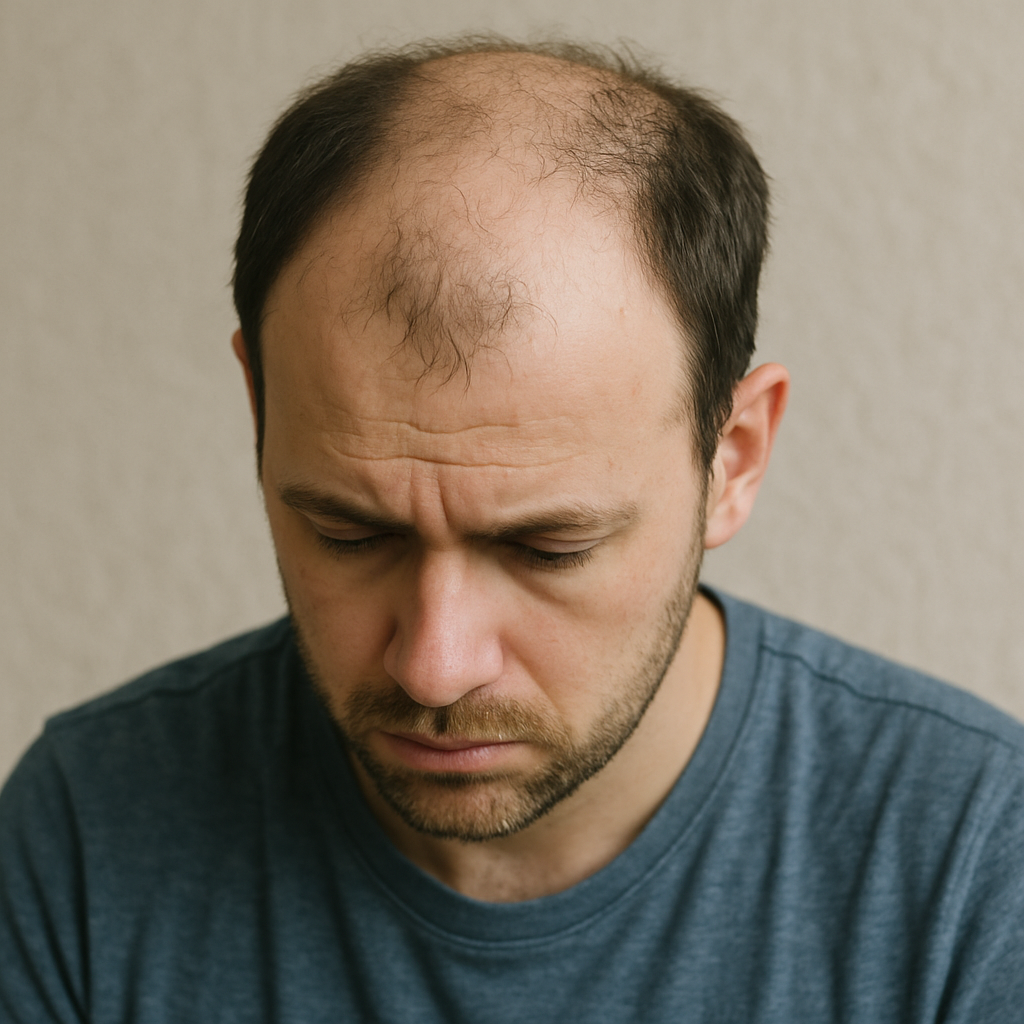
Biological Mechanisms
Can high blood pressure actually cause hair loss or thinning hair? The direct mechanism is not straightforward. Healthy circulation supports follicle function, but typical hypertension does not automatically mean the scalp is not getting enough blood. Many people with well-controlled hypertension have no hair changes at all.
It also helps to understand the hair growth cycle. Most scalp hairs spend years in the growth phase (anagen), then transition briefly (catagen), and finally rest for a few months (telogen) before shedding. When the body experiences a stressor, a medication change, or a significant illness, a larger percentage of hairs can shift into telogen at once. The shedding shows up later, which is why the timing can feel confusing. Diffuse shedding with a noticeable start date often fits this pattern, while gradual thinning at the crown or along the part often points to pattern hair loss.
Still, there are a few plausible ways hypertension could be involved:
- Vascular changes over time
- Long-term untreated high blood pressure can change small blood vessels. In theory, that could affect the follicle environment, especially alongside other vascular risk factors.
- Inflammation and oxidative stress
- Hypertension is associated with inflammatory and oxidative processes in the body. Systemic inflammation may push some follicles out of the growth phase sooner, contributing to shedding.
- Stress physiology
- Hypertension and stress often overlap. Stress hormones can shift follicles into a resting phase, which may lead to delayed shedding called telogen effluvium.
- Coexisting conditions and lifestyle factors
- Poor sleep, smoking, crash dieting, and certain nutrient deficits can contribute to shedding or slower regrowth.
If you are asking, “Can poor circulation from high blood pressure make my hair fall out?” it is more accurate to say overall vascular health matters, but hypertension is only one piece. Hair loss is more commonly tied to genetics, hormones, autoimmune conditions, or a medication effect than to blood pressure itself.
Are There Differences in Impact by Gender?
Yes. In men, the most common long-term thinning pattern is androgenetic alopecia, also called male pattern hair loss. In women, the most common is female pattern hair loss, along with shedding episodes triggered by stress, iron deficiency, thyroid shifts, pregnancy, or menopause related changes.
Is there a proven connection between hypertension and male pattern baldness? Some studies suggest an association between cardiovascular risk factors and androgenetic alopecia, but association does not mean hypertension causes hair loss. The shared drivers may include genetics, inflammation, and metabolic health.
For women, the connection can be harder to interpret because triggers are often multi-factorial. That is why “high blood pressure and hair loss female” searches are common.
High Blood Pressure and Hair Loss in Females
Symptoms of Hair Loss in Women
High blood pressure and hair loss in females can show up in several ways, depending on the underlying cause:
Diffuse shedding
Hair comes out more than usual during brushing or washing. You may notice more hair on your pillow or in the drain. This can reflect telogen effluvium, which often begins a few months after a trigger.
Widening part
The part line looks broader, especially at the crown. This can reflect female pattern hair loss. The frontal hairline may stay intact while density decreases behind it.
Thinning at the temples
Some women notice thinning near the temples, sometimes related to traction, hormonal shifts, or a combination of pattern thinning and shedding.
If your hair change started after a new diagnosis of hypertension or after starting treatment, track the timing. Because hair cycles are delayed, it is common to blame the most recent change even when the trigger occurred months earlier.
Psychological Effects of Hair Loss
Hair loss can be emotionally heavy. It can affect confidence, social comfort, and stress levels. The frustrating part is uncertainty, especially when shedding comes and goes.
From a practical standpoint, stress can worsen shedding, which is why a calm, step-by-step plan helps. If the change is affecting your quality of life, it is reasonable to discuss it with a clinician rather than trying to solve it alone.
Medications for High Blood Pressure
Common Antihypertensives
High blood pressure is treated with several medication classes, and many people take more than one. Common antihypertensives include diuretics, beta blockers, ACE inhibitors, ARBs, and calcium channel blockers, along with other options used in specific situations.
Not every medication affects hair, and when it does, it is often uncommon. But medication remains one of the more actionable possibilities when someone asks, “Does high blood pressure cause hair loss or is it the medication?”
Side Effects Related to Hair Loss
Hair-related side effects from blood pressure medications are typically described as shedding rather than permanent baldness. The medical term is often drug-induced telogen effluvium. The follicle shifts into a resting phase, and then shedding increases weeks to months later.
Key points:
Timing matters
If medication is the trigger, shedding often begins about 6 to 12 weeks after starting, stopping, or changing the dose.
Not all thinning is from medication
If you have underlying pattern hair loss, a shedding episode can make it look suddenly worse. Medication may have revealed an existing trend rather than created it from scratch.
Do not stop medication on your own
Blood pressure control protects long-term health. If you suspect a medication effect, talk with the prescribing clinician about options.
If you and your clinician suspect a drug-related shed, ask for a plan rather than guessing. That may include documenting the start date, taking baseline photos, and checking for other triggers that can pile on, such as recent illness, weight loss, new supplements, or a change in thyroid or iron status. If a switch is appropriate, it is usually done gradually and with blood pressure monitoring. Hair regrowth after telogen effluvium is slow and subtle at first, with visible improvement taking months. In the meantime, gentle hair care and avoiding harsh chemical processing can reduce breakage that makes thinning look worse. If shedding is patchy, painful, or scarring, seek dermatology evaluation promptly for diagnosis.
If you are searching “high blood pressure hair loss,” keep an open mind that the hair change might be related to the broader context: stress, sleep disruption, weight change, or other medications.
Studies and Research Findings
Clinical Studies on High Blood Pressure and Hair Loss
Why do doctors say high blood pressure is associated with hair loss? The word “associated” is key. Some research suggests people with androgenetic alopecia may have higher rates of certain cardiovascular risk factors, including hypertension. That does not prove hypertension causes hair loss, but it may signal shared pathways.
Possible shared pathways include hormonal sensitivity, inflammatory signaling, oxidative stress, and metabolic factors. For patients, the takeaway is not that hypertension will make you bald. The takeaway is that hair changes can sometimes be a reason to look at overall health, and that improving overall health can support better hair outcomes.
Case Studies on Hair Loss Among Patients
In real-world care, many hair loss stories in people with hypertension fall into a few patterns:
- A stressful period plus a new diagnosis
- A person learns they have high blood pressure, makes rapid lifestyle changes, and starts medication. The stress and body changes trigger shedding.
- Medication change
- Shedding begins a couple of months after a new antihypertensive is added or the dose changes.
- Underlying pattern hair loss becomes noticeable
- Pattern thinning progresses gradually. A shedding episode on top can make it feel sudden.
- An unrelated cause is uncovered
- Thyroid imbalance, low iron, inflammatory scalp disease, or autoimmune hair loss can be present alongside hypertension.
These patterns are why clinicians focus on timelines and scalp findings, not just blood pressure numbers.
Conclusion: Distinguishing Causes
Differentiating Between Conditions and Side Effects
So, does high blood pressure cause hair loss? For most people, hypertension itself is not the direct cause. The more likely explanations are genetics, hormonal pattern thinning, stress-related shedding, nutrient issues, thyroid changes, scalp inflammation, or a medication side effect.
A useful way to sort it out is to ask:
- Did shedding start 2 to 4 months after a major stressor, illness, or medication change?
- Is thinning patterned (crown or temples), or is it diffuse all over?
- Are there scalp symptoms like itching, burning, or scaling?
- Do you have other clues, like fatigue or heavy menstrual bleeding, that could point to iron deficiency or thyroid issues?
Does long-term untreated high blood pressure damage hair follicles? The clearest harm of untreated hypertension is to the heart, brain, kidneys, and blood vessels. Any effect on hair is secondary and not a reliable predictor, but protecting vascular health can still support healthier growth conditions.
Recommendations for Patients
If you are in Bellevue and you are seeing new shedding or thinning, consider a practical plan:
- Track the timeline
- Write down when you noticed shedding, and look back 3 to 4 months for triggers: medication changes, illness, surgery, major stress, or significant diet change.
- Review medications with your clinician
- If you suspect a medication effect, ask whether an alternative is reasonable within your blood pressure plan. Do not stop antihypertensives without medical guidance.
- Rule out common contributors
- Discuss whether basic testing is appropriate, such as thyroid function and iron status, especially if symptoms support it.
- Treat the scalp gently
- Avoid tight traction and aggressive heat. If you have dandruff, itch, or inflammation, address it, because scalp inflammation can worsen shedding.
- Seek dermatology evaluation for unclear or persistent loss
- A scalp exam can distinguish telogen effluvium from female or male pattern hair loss, and can identify inflammatory or autoimmune causes that require targeted treatment.
Disclaimer
This article is for general educational purposes only and does not provide medical advice, diagnosis, or treatment. Do not start, stop, or change blood pressure medications without guidance from a qualified healthcare professional. If you have sudden or severe hair loss, scalp pain, signs of infection, or poorly controlled blood pressure, seek prompt medical care.