
Can Losartan Cause Hair Loss?
Quick Summary
- Losartan is an ARB for high blood pressure and kidney protection; stopping abruptly can be dangerous without clinician guidance.
- Hair loss with losartan appears uncommon, but possible; if it occurs, it’s usually diffuse telogen effluvium.
- Medication-related shedding often starts weeks to months after starting or dose changes; scalp typically looks normal without scarring.
- Many factors can mimic or compound shedding: stress, illness, hormones, thyroid changes, iron deficiency, weight loss, genetics, supplements.
- Best next steps: document timeline and pattern, discuss safe medication options, consider thyroid/iron checks, and dermatology evaluation for patchy loss.
Hair shedding can feel alarming, especially when it starts after a medication change. If you are asking can losartan cause hair loss, you are not alone. Many people notice increased shedding and wonder whether it is the medication or something else like stress, hormones, genetics, or illness.
In most cases, losartan is not considered a common hair-loss trigger compared with some other medications. That said, any medication can be associated with hair changes in certain individuals, and timing can create a strong impression of cause. The goal is to understand how likely it is, what patterns to look for, and what to do next without making unsafe medication decisions.
Understanding Losartan
What is Losartan?
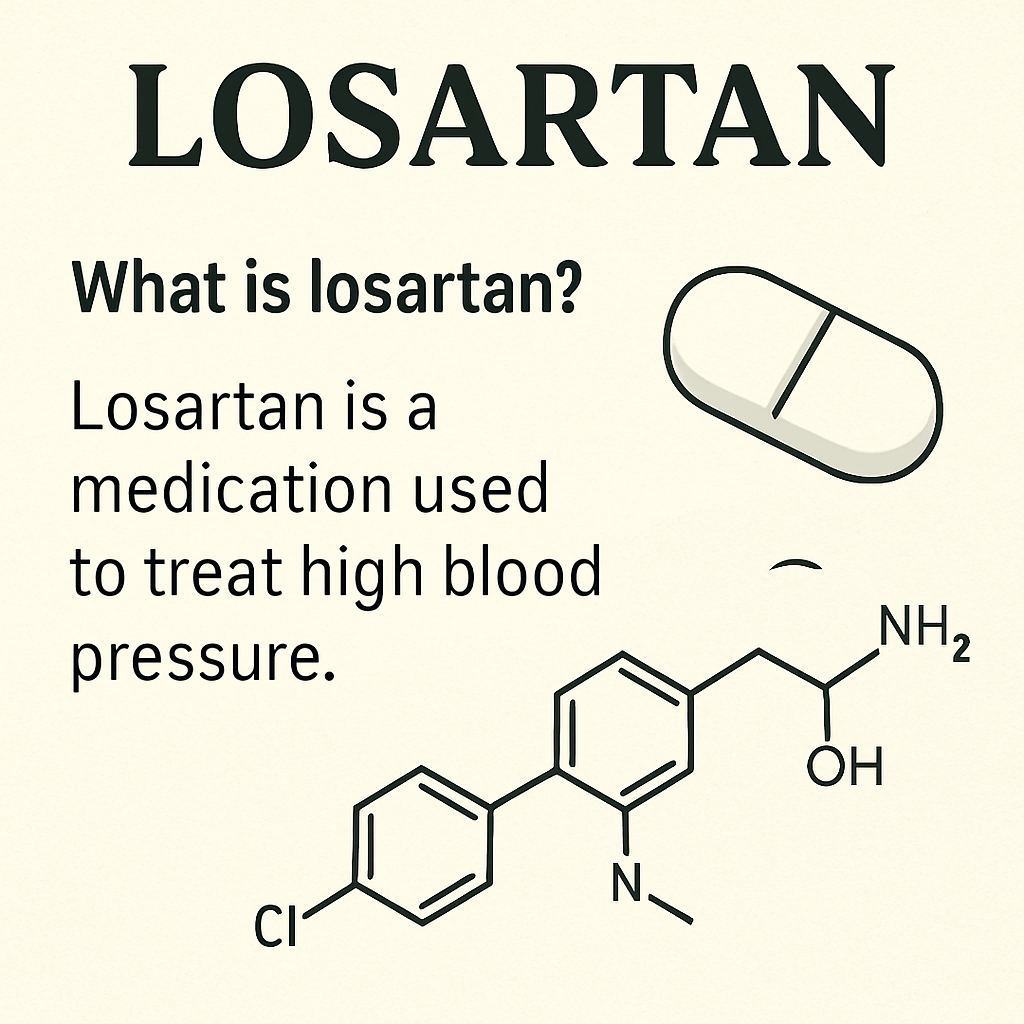
Losartan is a prescription medication in a class called angiotensin II receptor blockers (ARBs). It works by blocking the effects of angiotensin II, a hormone that narrows blood vessels. By reducing that narrowing, losartan helps blood vessels relax, which can lower blood pressure and reduce strain on the cardiovascular system.
People sometimes see the question written different ways, like do losartan cause hair loss or does losartan cause hair loss. The concern is the same: whether starting or increasing losartan could be linked to new shedding.
Common Uses of Losartan
Losartan is commonly used to treat high blood pressure. It may also be used in certain patients to help protect kidney function, particularly in the context of diabetes-related kidney disease, and it may be part of treatment plans for heart-related conditions depending on the situation.
Because it is a long-term medication for many people, it is important to approach side effects carefully. Stopping blood pressure medication abruptly can be dangerous. If you suspect will losartan cause hair loss in your case, the safest next step is documentation and a discussion with your prescribing clinician.
Exploring the Side Effects
Does Losartan Cause Hair Loss?
Does losartan cause hair loss? It is not typically listed among the most common side effects, and compared with other drug categories, it is usually considered a less frequent suspect. However, people do report losartan and hair loss in real-world settings, and rare side effects can still happen.
If losartan contributes to shedding, it is more likely to be a type of diffuse shedding called telogen effluvium. That means more hairs shift into a resting phase and shed later. The key features of this pattern:
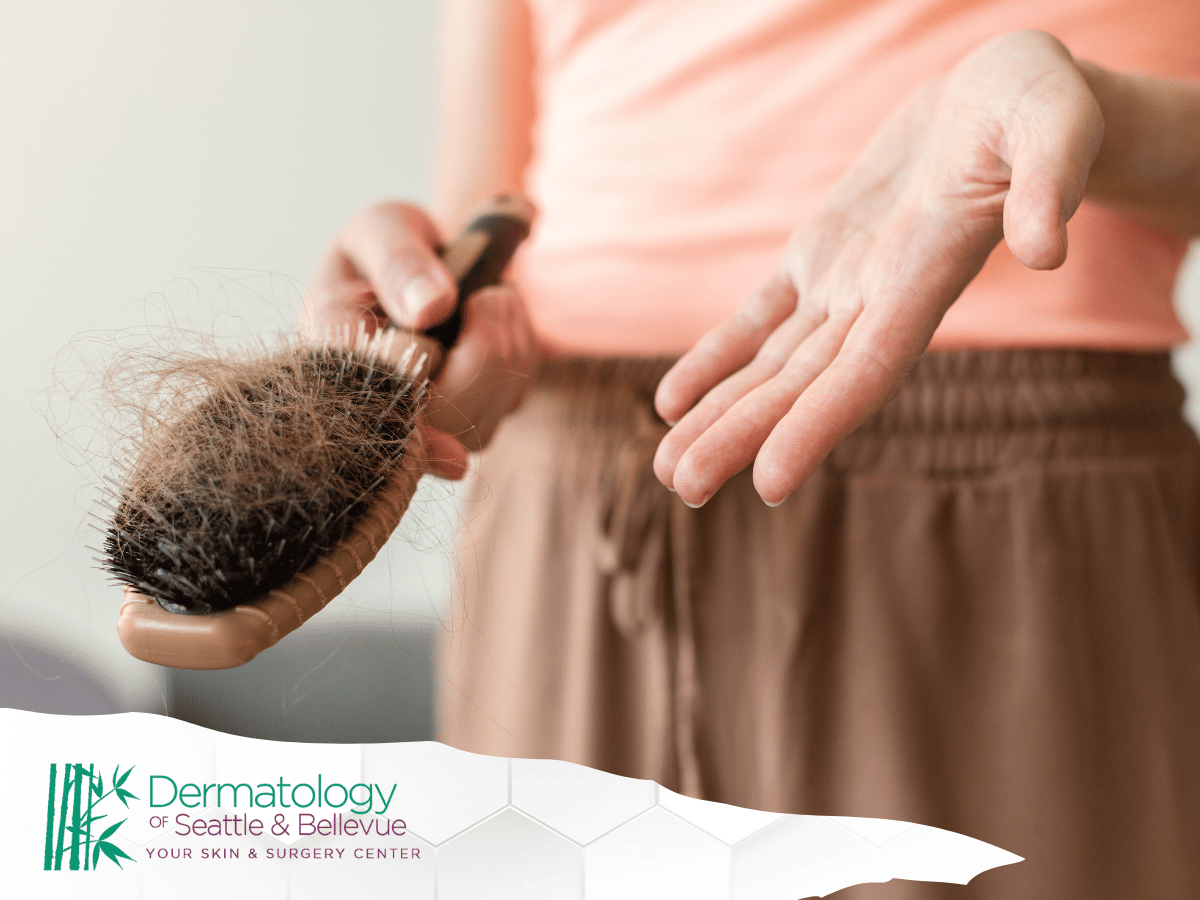
- Shedding is diffuse rather than patchy, often noticed as more hair in the shower or brush
- It usually begins weeks to a few months after a trigger, not immediately
- The scalp usually looks normal, without scarring or thick scale
- Regrowth is possible once the trigger is removed or the body stabilizes
This is why timing matters. If shedding began two to four months after starting losartan, it fits the timing pattern of medication-related shedding. If it began within a few days, it is less likely to be caused by the medication itself and more likely tied to another factor.
Can losartan cause hair loss or thinning, and how common is this side effect? The best way to think about it is that it appears uncommon, but possible. Most people taking losartan do not notice hair changes, but a small number may.
Other Common Side Effects of Losartan
Other side effects are usually more common than hair changes. People may experience dizziness, fatigue, or lightheadedness, especially early in treatment or after dose changes. Some may have gastrointestinal symptoms. Side effects vary by individual and may be influenced by hydration, dose, and other medications.
If you have symptoms like swelling of the lips or face, trouble breathing, or severe dizziness, treat that as urgent and contact medical care right away.
Investigating the Link
What Drugs Cause Hair Loss?
If you are searching what drugs cause hair loss, you are usually trying to understand whether losartan is a likely culprit compared with alternatives.
Several medication categories are more commonly associated with hair shedding in some people, including certain blood pressure medications like some beta blockers, along with other non-blood-pressure medications such as some antidepressants, retinoids, anticoagulants, chemotherapy agents, and others. This does not mean everyone will lose hair on these medications, only that clinicians are more likely to consider them when the timeline fits.
Which blood pressure medications are most likely to cause hair loss, and where does losartan fit in? Losartan is generally not the top suspect. If you suspect losartan and hair loss are linked for you, it is worth evaluating other recent triggers alongside the medication, rather than assuming losartan is the only explanation.
Mechanisms: How Medications Affect Hair Growth

Most medication-related hair loss is not permanent follicle damage. It is often a shift in hair cycling.
There are a few common mechanisms:
- Telogen effluvium: a larger percentage of hairs move into the resting phase and shed later
- Anagen effluvium: disruption of active growth, more typical with chemotherapy
- Exacerbation of underlying pattern hair loss: a medication-triggered shed can reveal a pre-existing thinning pattern
- Scalp inflammation or dermatitis: less common, but can occur if a medication triggers a reaction
For losartan, if hair changes occur, telogen effluvium is the most plausible pattern. That is why identifying the timing and the pattern of shedding is the most useful first step.
Personal Accounts and Research
Anecdotal Evidence of Hair Loss from Losartan
Anecdotal reports of losartan hair shedding exist, and people often describe it as increased shedding rather than bald patches. The challenge with anecdotal evidence is that many factors can overlap at the same time: stress, weight loss, illness, hormonal changes, postpartum shifts, thyroid changes, iron deficiency, and new supplements.
What’s the difference between losartan-related hair loss and other causes like stress or genetics? The pattern can be similar, which is why context matters:
- Stress-related telogen effluvium often follows a stressful event or illness two to four months earlier
- Genetic pattern hair loss typically progresses gradually and shows thinning at the crown, temples, or widening part over time
- Medication-related telogen effluvium often follows a start, stop, or dose change of a medication in the prior months
These can overlap. A medication change plus stress can compound shedding.
What Studies Say about Losartan and Hair Loss
Research specifically tying losartan to hair loss is limited compared with medications more commonly associated with shedding. That does not prove it cannot happen. It means the strongest evidence base is not as developed, and the side effect appears uncommon.
The practical takeaway is that if shedding starts after losartan, you should evaluate it systematically rather than assume it is inevitable or permanent. Many shedding episodes improve with time, and many people can continue necessary blood pressure management while addressing hair health.
Conclusion
Summary of Findings
Can losartan cause hair loss? It appears uncommon, but it may be possible in a small number of individuals, most likely as diffuse shedding that follows the typical delayed timeline of telogen effluvium. Because hair shedding has many causes, it is important to evaluate other triggers, including stress, recent illness, rapid weight change, nutrition issues, thyroid imbalance, and genetic pattern hair loss.
If your goal is to decide whether will losartan cause hair loss in your case, the best first step is to document the timeline and pattern rather than guessing.
Recommendations for Those Experiencing Hair Loss
If you think losartan is making your hair fall out, what should you ask your doctor about switching meds or treating it? Consider a structured conversation:
- Review the timeline
- When did losartan start, when did the dose change, and when did shedding begin? Hair shedding often lags triggers by weeks to months.
- Assess the pattern
- Is shedding diffuse or patterned? Is there scalp itching, burning, or scale? Patchy loss needs prompt evaluation.
- Check for other triggers
- Ask whether basic evaluation is appropriate, such as thyroid testing and iron status, especially if symptoms suggest it.
- Discuss medication options safely
- Do not stop or change losartan on your own. If a switch is appropriate, your clinician can guide it while keeping blood pressure controlled.
- Consider dermatology evaluation
- A scalp exam can differentiate telogen effluvium from pattern hair loss or inflammatory scalp disorders, and can guide supportive treatments.
In the meantime, avoid aggressive hair treatments, tight hairstyles, and overuse of heat. Gentle care reduces breakage that can make shedding look worse.
Disclaimer
This article is for general educational purposes only and does not provide medical advice, diagnosis, or treatment. Do not start, stop, or change prescription medications without guidance from a qualified healthcare professional. If you experience sudden or patchy hair loss, scalp pain, signs of infection, or symptoms such as facial swelling, trouble breathing, or severe dizziness, seek prompt medical attention.