

Basal cell carcinoma (BCC) is the most common type of skin cancer, often developing on sun-exposed areas like the face and neck. According to the Skin Cancer Foundation, BCC is the most frequently diagnosed form of skin cancer, and it provides extensive information on its treatment and prevention.
Quick Summary
- Basal cell carcinoma (BCC) is the most common skin cancer, usually appearing on sun-exposed areas like the face and neck; it rarely spreads but can cause local damage if untreated.
- Mohs surgery removes BCC in thin layers examined under a microscope until margins are cancer-free, preserving as much healthy tissue as possible.
- Before surgery, patients typically consult a fellowship-trained Mohs surgeon, may need to avoid blood-thinning medications, arrange a ride home, and plan for a variable-length procedure.
- After cancer removal, reconstruction may be done immediately with stitches, skin grafts, or flaps; recovery focuses on wound care, managing scarring, and follow-up visits to monitor healing and recurrence.
- Mohs is commonly used for BCC on the nose due to its complex structure and has a high cure rate, often cited as 98% or higher for primary tumors.
Mohs surgery, named after Dr. Frederic Mohs, is a precise and effective treatment for removing basal cell carcinoma while preserving as much healthy tissue as possible. This article will explore the process and outcomes of Mohs surgery, highlighting what patients can expect before and after the procedure.
Understanding Basal Cell Carcinoma
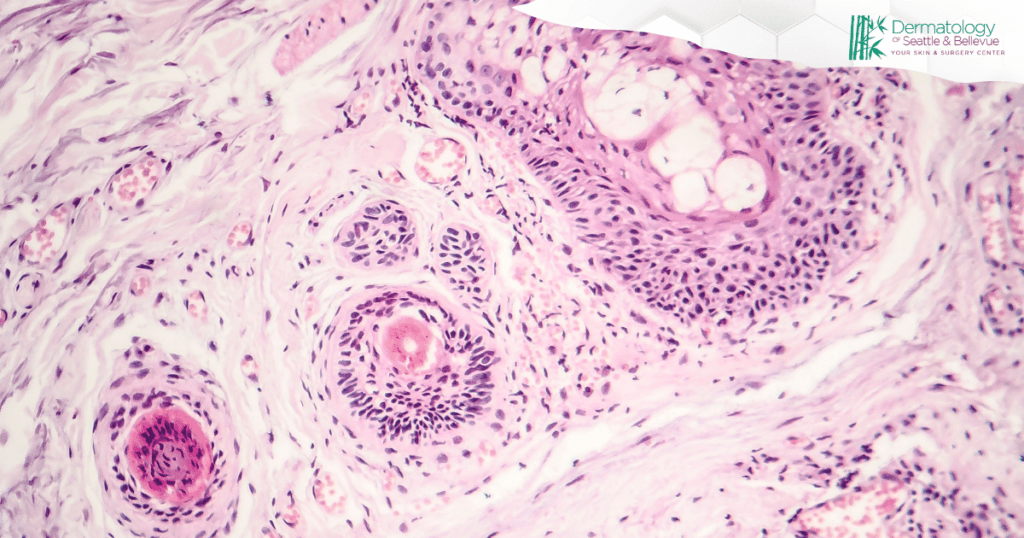
Basal cell carcinoma is a type of skin cancer that arises from the basal cells in the skin’s epidermis. It typically manifests as a shiny, pearly bump or a flat lesion with a scaly, crusted surface. Although BCC rarely metastasizes, it can cause significant local damage if not treated promptly.
Mohs surgery is also used to treat squamous cell carcinoma, highlighting the procedure’s effectiveness in removing all cancerous tissue and achieving high cure rates for both primary and recurrent tumors.
The most common sites for BCC are the face, ears, neck, scalp, shoulders, and back. Prolonged exposure to ultraviolet (UV) radiation from the sun or tanning beds is the primary cause of BCC. People with fair skin, light-colored eyes, and a history of sunburns are at higher risk.
Mohs Surgery: An Overview
Mohs surgery is a specialized procedure designed to remove skin cancers, particularly basal cell carcinoma, with a high degree of precision. It involves the removal of thin layers of cancerous tissue, which are examined under a microscope until only cancer-free tissues remain. This method ensures that as much healthy tissue as possible is preserved, making it an effective treatment with a high cure rate. After the procedure, proper care is essential for optimal healing and to minimize the risk of complications. Patients should follow their doctor’s instructions closely and may benefit from tips for postmohs surgery care, such as keeping the surgical site clean and properly bandaged. Additionally, it’s important to avoid sun exposure on the healing area to promote better recovery and prevent any potential skin issues.
Before Mohs Surgery
Before undergoing Mohs surgery, patients typically consult a fellowship-trained Mohs surgeon or a specially trained dermatologist.
During this consultation, the doctor will evaluate the lesion, discuss the procedure, and address any patient concerns. The goal is to ensure the patient understands the process and feels comfortable with the upcoming surgery.
Patients are advised to:
- Avoid taking medications that can increase bleeding risk, such as aspirin or blood thinners.
- Arrange for someone to drive them home after the procedure, as the surgery is performed under local anesthesia.
- Prepare for a potentially long day, as the duration of Mohs surgery can vary depending on the size and complexity of the basal cell carcinoma.
The Mohs Procedure
The Mohs procedure begins with the surgeon injecting a local anesthetic to numb the area around the basal cell carcinoma. Once the area is numb, the surgeon removes a thin layer of tissue from the cancer site. This tissue is then processed and examined under a microscope to check for cancerous cells.
If cancer cells are found at the margins of the removed tissue, the surgeon removes another thin layer from the affected area. This process is repeated in stages until no cancer cells are detected.
Each stage of the surgery involves the meticulous examination of tissues, ensuring that only the cancerous cells are removed, sparing as much healthy tissue as possible.
After Mohs Surgery
Following the removal of the basal cell carcinoma, the next step is reconstruction. Depending on the size and location of the defect, reconstructive surgery may be performed immediately after the Mohs procedure. This can involve simple stitching of the wound or more complex repairs, such as skin grafts or flaps, to restore the function and appearance of the affected area.
Recovery and Healing of Skin Cancer and Surgery
The recovery process after Mohs surgery varies depending on the extent of the surgery and the reconstruction required. Patients typically receive detailed aftercare instructions from their surgeon, including how to care for the wound, manage pain, and recognize signs of infection.
- Wound Care: Keeping the wound clean and protected is crucial for proper healing. Patients may need to apply prescribed ointments and change dressings regularly.
- Scarring: While Mohs surgery aims to minimize scarring by preserving healthy tissue, some scarring is inevitable. The extent of scarring depends on the size and location of the basal cell carcinoma and the reconstruction method used.
- Follow-Up: Regular follow-up appointments with the doctor are essential to monitor the healing process and ensure that the cancer has not recurred.
Basal Cell Carcinoma on the Nose
One of the most common sites for basal cell carcinoma is the nose. The nose’s intricate structure and function make Mohs surgery an ideal treatment option for preserving its appearance and functionality.
- Before Surgery: A patient diagnosed with a large basal cell carcinoma on the nose might notice a persistent lesion that doesn’t heal.
- During Surgery: The Mohs surgeon meticulously removes the cancerous cells layer by layer, preserving as much healthy tissue as possible.
- After Surgery: Nose reconstruction may involve complex techniques to ensure the nose looks and functions normally. Recovery may include managing swelling and using special dressings to protect the area.
Mohs Surgery: Effectiveness and Cure Rate
Mohs surgery boasts a high cure rate for basal cell carcinoma, often cited as 98% or higher for primary tumors. This effectiveness is due to the meticulous examination of the removed tissue during the surgery, ensuring that all cancer cells are eradicated while preserving as much healthy tissue as possible. Furthermore, Mohs surgery for basal cell carcinoma minimizes the risk of recurrence, allowing patients to achieve clear margins before the procedure is complete. This technique not only enhances the chances of a successful outcome but also results in smaller scars, which is particularly beneficial for tumors located on the face or other visible areas. Consequently, patients can enjoy both effective treatment and improved aesthetic results.
Choosing the Right Surgeon
Selecting a qualified and experienced surgeon is crucial for the success of Mohs surgery. Patients should seek a fellowship-trained Mohs surgeon who has extensive experience performing the procedure. A good surgeon will be skilled not only in the surgical aspects but also in reconstruction and aesthetic outcomes.
Conclusion
Basal cell carcinoma is a common but treatable form of skin cancer. Mohs surgery, performed by a fellowship-trained Mohs surgeon or a specially trained dermatologist, offers an effective treatment option that preserves healthy tissue and ensures high cure rates. Patients can approach their treatment with confidence and clarity by understanding what to expect before, during, and after Mohs surgery.
Final Thoughts
This blog is intended for informational purposes only and should not be used as a substitute for professional medical advice, diagnosis, or treatment. For accurate and personalized information regarding your health, scheduling an appointment with a qualified healthcare provider is essential.