Hair shedding can feel alarming, especially when you notice more strands in the shower drain, on your pillow, or caught in a brush. While many factors influence hair health, your plate is one of the most practical places to start. Choosing the right food to eat to stop hair fall can help support hair growth cycles, improve scalp health, and reduce breakage that looks like thinning. In this guide, you will learn how hair fall happens, why nutrition matters, and which nutrients most commonly support stronger strands. You will also find specific food options, including iron-rich choices, plus everyday eating patterns that make it easier to stay consistent.
- Hair fall can come from shedding, breakage, or a disrupted growth cycle, and the solution depends on which is happening.
- Protein, iron, zinc, essential fatty acids, and key vitamins are common nutritional building blocks for healthy hair.
- Iron-rich foods for hair loss can be especially important if you do not eat much red meat or if your overall iron intake is low.
- The top 5 foods to prevent hair loss work best when eaten regularly and paired with an overall balanced diet.
- If you are searching what to eat to stop hair fall immediately, focus on reducing triggers and stabilizing nutrition, not quick fixes.
Introduction
If you are scanning your diet for a food to eat to stop hair fall, it helps to start with a realistic goal: food can support hair health, but it rarely changes things overnight. Hair grows in cycles, so improvements typically follow consistent nutrition and better overall habits. That said, the right foods can address common weak points like low protein intake, insufficient iron, or poor essential fat intake that may contribute to shedding or brittle hair.
This article breaks down hair fall in plain terms, then walks through iron-rich options and a practical list of foods that support hair strength. You will also learn which everyday foods to eat to avoid hair loss by building balanced meals that cover the nutrients hair follicles depend on.
h2Understanding Hair Fall Hair fall is often used as a catch-all term, but it can mean different things. Some people are seeing normal shedding that feels excessive due to longer hair length, seasonal changes, or stress. Others are dealing with breakage, where strands snap because they are dry, damaged, or fragile. And some people experience changes in density when the hair growth cycle shifts, causing more hairs to enter the shedding phase at once.
Understanding what is happening helps you choose the most helpful nutrition strategy. Hair is made mostly of a protein called keratin, and hair follicles are metabolically active. That means they respond to overall health, including calorie intake, protein adequacy, iron status, and micronutrients involved in cell growth. Nutrition is not the only factor, but it is one of the few you can influence daily.
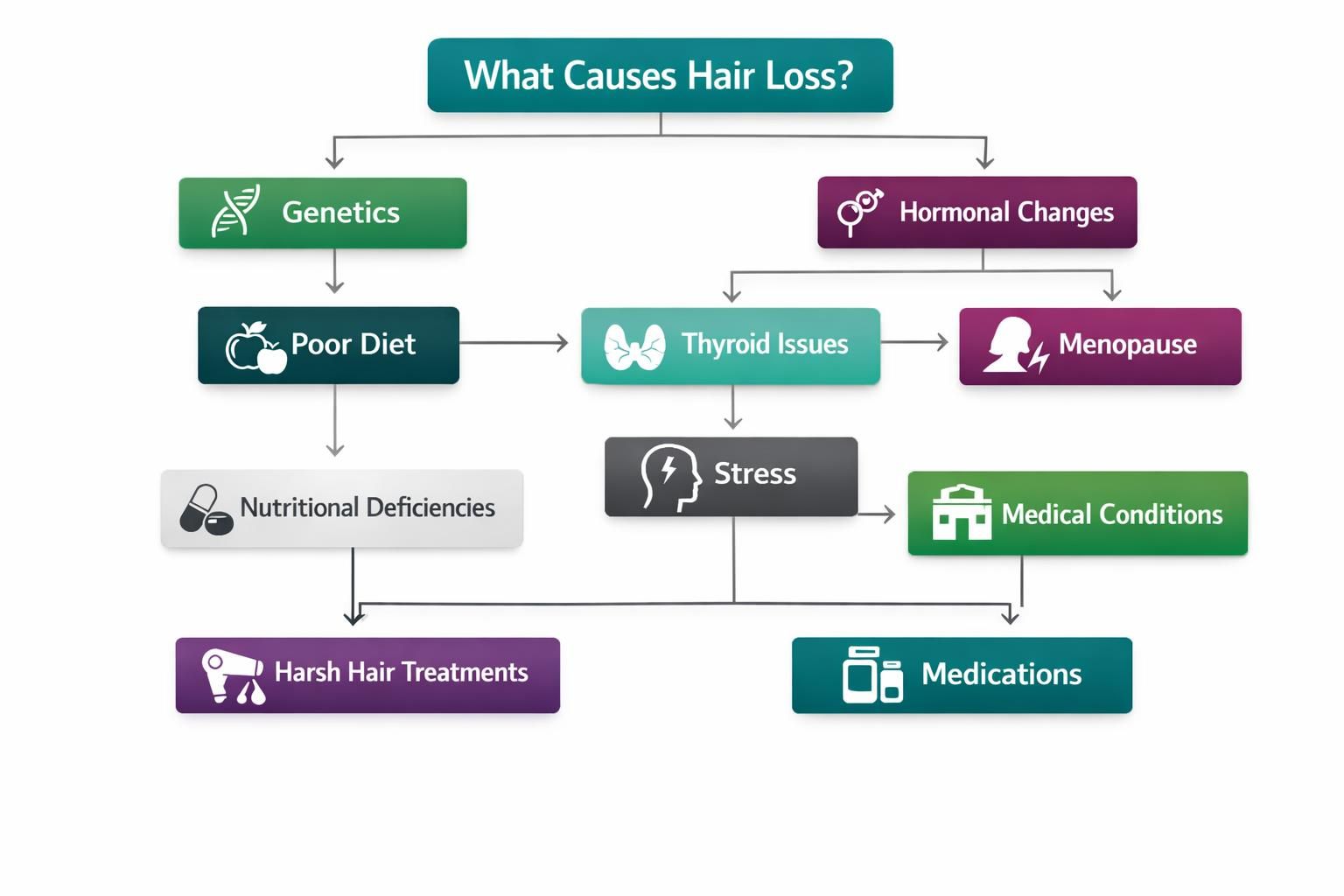
What Causes Hair Loss?
Hair loss and increased shedding can be influenced by genetics, hormones, stress, illness, medication side effects, scalp inflammation, and mechanical damage from styling. Sudden shifts in diet, rapid weight loss, or long periods of under-eating can also push more hair into a resting phase, leading to noticeable shedding a few months later. In some cases, digestive issues or restrictive diets can reduce nutrient absorption or variety, creating gaps that affect hair quality over time.
It is also common for more than one factor to be involved. For example, someone might have mild iron deficiency, high stress, and frequent heat styling, all contributing to the same outcome: more hair on the brush and less fullness. Because of this, food changes work best when paired with gentle hair care, adequate sleep, and strategies to lower stress where possible.
Importance of Nutrition
Hair follicles require energy and nutrients to maintain the growth phase and to produce strong hair shafts. When the body senses it needs to conserve resources, it prioritizes essential organs over hair. That is why inconsistent eating, low protein diets, and nutrient-poor patterns can show up as dullness, increased breakage, or shedding over time.
Nutrition supports hair in two main ways. First, it provides structural materials like protein, essential fats, and minerals used in hair formation. Second, it supports the systems that feed hair follicles, such as circulation, oxygen delivery (often linked to iron status), and healthy skin function. A single “magic” ingredient rarely fixes hair fall, but a consistent pattern that includes protein, iron-rich foods, colorful plants, and healthy fats can create conditions where hair is more likely to grow and stay resilient.
Iron-Rich Foods for Hair Loss
Iron is often discussed in hair health because it plays a role in oxygen transport and cellular energy. When iron intake is low, the body may struggle to supply fast-growing tissues, which can include hair follicles. Not everyone with hair fall has low iron, but many people, especially those who menstruate, those who avoid red meat, or those with limited dietary variety, may not get enough.
Iron comes in two forms: heme iron (found in animal foods) and non-heme iron (found in plant foods). Heme iron is generally easier for the body to use, but you can still build strong iron intake from plants by combining them with vitamin C rich foods. For example, pairing lentils with bell peppers or spinach with citrus can improve iron absorption.
Spinach
Spinach is a well-known plant-based source of non-heme iron and also contributes folate and other micronutrients that support healthy skin and hair. It is especially useful because it is easy to add to meals without changing your routine much. You can sauté it into eggs, mix it into soups, fold it into pasta, or blend it into smoothies with fruit.
To get more benefit from spinach as one of your iron-rich foods for hair loss, pair it with vitamin C rich foods. Adding lemon juice, tomatoes, or berries can make the iron more available to your body. Also consider how you prepare it. Light cooking reduces volume, making it easier to eat a meaningful serving. If raw spinach upsets your stomach, cooked spinach is often gentler and still nutrient-dense.
Lentils
Lentils are a practical, budget-friendly way to increase iron while also adding protein and fiber. Since hair is protein-based, lentils can help cover two important needs at once: supporting keratin production through amino acids and supporting oxygen delivery through iron intake. Lentils also fit into many cuisines, so it is easy to keep them in rotation without getting bored.
For hair-focused meals, think about building a bowl that combines lentils with vitamin C and healthy fats. A lentil salad with chopped peppers, tomatoes, and a squeeze of citrus is a simple option. Lentil soups are also useful when appetite is low, because you can add extra vegetables and still get a concentrated nutrient mix. If you are new to legumes, start with smaller portions and increase gradually.
Red Meat
Red meat is one of the most concentrated sources of heme iron, which many people absorb more efficiently than plant-based iron. It also provides protein and other supportive nutrients often discussed alongside hair health. For people who eat meat and tolerate it well, modest portions of red meat can help boost iron intake, especially if the rest of the diet is lighter on iron sources.
The key is to think in terms of balance rather than relying on one food. Pair red meat with vegetables, whole grains, or legumes for a more complete meal. If you do not eat red meat for personal or health reasons, you can still build adequate iron intake with plant sources, but you may need more intentional planning and consistent pairing with vitamin C rich foods. If you suspect iron issues, it can be helpful to speak with a clinician rather than self-supplementing.
Top 5 Foods to Prevent Hair Loss
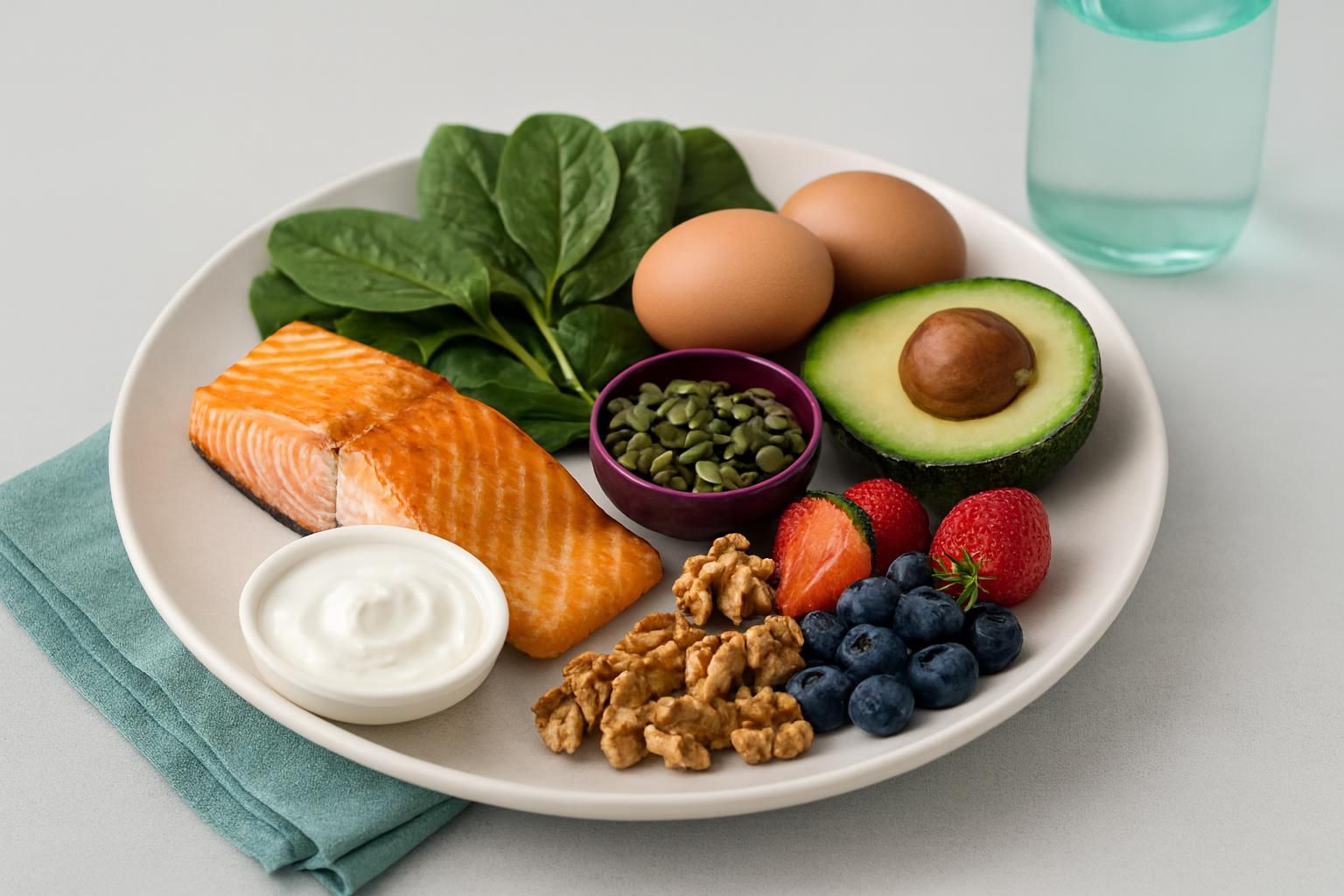
There is no single list that fits everyone, but some foods consistently show up in hair-supportive eating patterns because they deliver a cluster of nutrients hair follicles use. The top 5 foods to prevent hair loss below emphasize protein, healthy fats, antioxidants, and key vitamins and minerals that support growth and reduce breakage risk.
Think of these foods as anchors. If you include one or two daily and rotate the rest through the week, you create steady nutritional support without feeling like you are following a strict plan. Also keep in mind that hair fall can reflect what happened months earlier, so consistency matters more than intensity.
1. Eggs
Eggs are a convenient source of high-quality protein, which provides amino acids that become the building blocks of hair. They also contain nutrients often associated with hair strength and shine, including B vitamins. Because eggs are versatile and quick to cook, they can help you meet protein needs in a realistic way, especially at breakfast when many people otherwise under-eat protein.
For a hair-supportive meal, combine eggs with produce and a healthy fat. An omelet with spinach and tomatoes, or eggs with sautéed vegetables and avocado, can cover multiple nutrient bases at once. If you do not eat eggs, you can aim for similar benefits through other protein sources, but the simplicity of eggs makes them a strong staple for many people trying to reduce shedding and improve hair quality.
2. Nuts and Seeds
Nuts and seeds support hair primarily through healthy fats and minerals that contribute to scalp and strand health. They are also an easy way to add calories and nutrients if you have been unintentionally eating too little, which can be a hidden driver of increased shedding. Because they are portable, nuts and seeds can help you stay consistent during busy weeks when meals are less predictable.
To make nuts and seeds work for you, use them strategically rather than relying on them as an afterthought. Sprinkle seeds over yogurt, oatmeal, or salads, blend nut butter into smoothies, or add a handful of nuts to a snack you already eat. If you are watching portions, measure once or twice so you learn what a reasonable serving looks like. Variety matters too, since different nuts and seeds provide slightly different nutrient profiles.
3. Sweet Potatoes
Sweet potatoes are best known for their carotenoids, which the body can convert into vitamin A as needed. Vitamin A supports healthy skin, including the scalp, and helps maintain normal oil production that can protect hair from dryness and breakage. Sweet potatoes are also an easy carbohydrate choice that can support training, recovery, and overall energy intake, all of which influence how the body allocates resources to nonessential tissues like hair.
A practical approach is to use sweet potatoes as a base for balanced meals. Pair them with a protein like eggs, fish, or legumes, and add colorful vegetables for additional micronutrients. Roasting a batch and keeping it in the fridge can make it easy to assemble quick lunches. If you are dealing with brittle hair, improving overall dietary balance and adequate intake often matters as much as any single nutrient.
4. Berries
Berries contribute antioxidants and vitamin C, which can support the body’s natural defense systems and help with iron absorption when paired with plant-based iron sources. While antioxidants are not a direct “hair growth switch,” they are part of an overall pattern that supports healthy skin and reduces the wear-and-tear that can affect hair appearance over time.
Use berries as a regular add-on to foods you already eat. Add them to yogurt, blend them into smoothies with spinach, or include them with breakfast oats topped with seeds. If fresh berries are not always available, frozen berries are a convenient alternative and are easy to keep on hand. Pairing berries with iron-rich foods, such as lentils in a salad with a berry-based dressing or alongside a spinach meal, can support better iron utilization.
5. Fatty Fish
Fatty fish provides essential fatty acids and is often included in hair-supportive diets because healthy fats can help maintain scalp comfort and support the hair shaft’s flexibility. Many people notice their hair feels less dry when they consistently include healthy fat sources, especially when their baseline diet is very low in fat.
To make fatty fish a repeatable habit, focus on preparations you actually enjoy. You can bake it with herbs, add it to grain bowls, or use it in simple meals with vegetables and a starch. If you do not eat fish, you can still get healthy fats through nuts, seeds, and plant oils, though you may need to be more intentional about variety. In general, a diet that includes adequate fat and protein is a strong foundation for anyone exploring foods to eat to avoid hair loss.
Foods to Eat to Avoid Hair Loss
Building a hair-supportive diet is less about perfection and more about patterns you can keep for months. Many people focus on single nutrients, but hair health usually improves when you cover the basics: consistent meals, adequate protein, enough total calories, and a wide range of micronutrients. This section focuses on broader food groups that tend to support hair by improving overall nutritional density.
A helpful way to think about foods to eat to avoid hair loss is to choose meals with three parts: a protein, a fiber-rich carbohydrate, and a healthy fat, plus at least one colorful fruit or vegetable. This structure naturally increases the odds you will meet key nutrient needs without tracking everything.
Fruits and Vegetables
Fruits and vegetables provide vitamins, minerals, and protective plant compounds that support skin and scalp health. They also provide vitamin C, which is especially useful if you rely on non-heme iron sources such as beans, lentils, leafy greens, and fortified grains. When your diet is low in produce, it is easier to miss out on nutrients involved in normal cell turnover, which matters for a healthy scalp environment.
Aim for variety across colors and types rather than focusing on a single “superfood.” Leafy greens, orange vegetables, cruciferous vegetables, citrus, and berries each contribute different nutrients. A simple strategy is to include at least one fruit and one vegetable daily, then build from there. If you struggle with time, frozen vegetables can be quick to prepare, and pre-washed salad mixes can make it easier to get consistent intake.
Here are simple ways to increase fruit and vegetable intake for hair support:
- Add leafy greens to soups, omelets, and pasta sauces
- Keep frozen berries for smoothies and quick breakfasts
- Roast mixed vegetables in batches for easy sides
- Pair vitamin C rich produce with iron-rich meals to support absorption
- Choose fruit as a snack alongside nuts or yogurt for better staying power
Whole Grains
Whole grains support hair indirectly by helping you maintain steady energy intake and providing B vitamins and minerals that contribute to normal metabolism. When people cut carbohydrates aggressively, they sometimes end up under-eating overall, which can contribute to increased shedding over time. Whole grains can make meals more satisfying and help prevent the “eat too little all week, then crash” cycle that disrupts consistency.
To use whole grains effectively, treat them as a base for nutrient-dense toppings. Oats with yogurt and berries, brown rice with vegetables and fish, or whole-grain toast with eggs and spinach can all fit into a hair-supportive pattern. If you have digestive sensitivity, you can adjust portion size or choose grains that feel better for you. The goal is not to force a food, but to build stable, nourishing meals that you can repeat.
Dairy Products
Dairy products can be a convenient way to increase protein intake and add key nutrients that support hair structure. For many people, dairy is an easy breakfast or snack solution, which matters because consistent protein across the day tends to support better overall intake. Options like yogurt can also pair well with fruit, nuts, and seeds, making it simple to build a nutrient-rich meal in minutes.
If you tolerate dairy well, focus on minimally processed options you enjoy and will eat consistently. Greek-style yogurt, cottage cheese, and milk can all help boost protein without a lot of preparation. If you do not consume dairy, you can still meet similar goals through other protein sources, but check that your alternatives provide adequate protein rather than mostly carbohydrates. The best choice is the one that supports regular, balanced eating without causing digestive discomfort.
What to Eat to Stop Hair Fall Immediately
If you are hoping for what to eat to stop hair fall immediately, it is important to set expectations. Hair growth cycles move slowly, so food changes usually support gradual improvement rather than an instant stop. However, you can take immediate steps to reduce triggers that worsen shedding and to stabilize your nutrition so your body is less likely to shift hair into the shedding phase.
Start with the basics: eat enough, eat regularly, and prioritize protein at each meal. Include iron-rich foods for hair loss several times a week, especially if you rarely eat them. Pair plant-based iron with vitamin C to help absorption. Add healthy fats daily, because extremely low-fat diets can contribute to dry hair and scalp discomfort. Hydration also matters for overall skin and scalp comfort, even though it is not a direct hair-growth lever.
If your shedding is sudden or extreme, focus on supportive habits while you consider professional guidance. A useful short-term plan is to simplify your diet into repeatable meals for a few weeks so you remove guesswork and reduce day-to-day inconsistency. For example:
- Breakfast: eggs or yogurt with berries and seeds
- Lunch: lentil soup or a grain bowl with leafy greens and a vitamin C rich vegetable
- Dinner: fatty fish or another protein with roasted vegetables and a starch such as sweet potato
- Snacks: nuts, fruit, or dairy or a protein alternative you tolerate
This approach covers many nutrients linked to hair strength without relying on any single food. It also helps you avoid extremes, which is often what the body responds to most strongly. If you suspect low iron or another deficiency, it is safer to test and confirm rather than guessing, because taking supplements without a clear need can cause problems and does not guarantee better hair.
Conclusion
Reducing shedding and supporting stronger hair comes down to consistency and coverage of key nutrients, not a single miracle ingredient. The most helpful food to eat to stop hair fall is often the one you can include regularly as part of a balanced pattern: adequate protein, iron-rich foods for hair loss, colorful fruits and vegetables, whole grains for steady energy, and healthy fats for scalp and strand support. Use the top 5 foods to prevent hair loss as anchors, then build meals around them in a way that fits your preferences. Your next step is simple: choose two hair-supportive meals you can repeat this week, then reassess after a month of steady eating and gentle hair care.
Disclaimer
This article is for general educational purposes only and is not medical advice. Hair fall can have many causes, including medical conditions, nutrient deficiencies, hormonal changes, medications, and scalp disorders. If you have sudden, severe, or persistent hair loss, patchy hair loss, scalp pain, signs of infection, or other concerning symptoms, consult a qualified healthcare professional for evaluation and personalized guidance.