Laser Therapy for Sun Spots
Quick Summary
- Session count varies by spot type, pigment depth, skin tone, goals, and device used; “it depends” isn’t vague.
- Many classic sun spots improve in one to three sessions; diffuse pigment or texture goals often require a planned series.
- Pigment lasers target melanin; spots may darken, lightly crust, then flake off over one to two weeks.
- Consultation should confirm lesions are appropriate; new, changing, irregular, bleeding, or non-healing spots need evaluation before treatment.
- Aftercare matters: gentle cleanser, avoid picking and actives, strict sunscreen; UV exposure can trigger new spots and rebound pigmentation.
Introduction
Sun spots, also called age spots or solar lentigines, are one of the most common signs of cumulative sun exposure. They often show up on the face, hands, chest, and shoulders, and they can make skin look uneven even when it feels healthy. If you are considering laser therapy for sun spots in Bellevue, the question you usually want answered is simple: how many sessions will it take to see a real difference?
The honest answer is “it depends,” but not in a vague way. The number of sessions depends on the type of spot, how deep the pigment sits, your skin tone, your goals, and which device is used. This guide explains what to expect from laser for sun damage, how lasers work, and how to plan your schedule so you get results without over-treating your skin.
Understanding Sun Spots
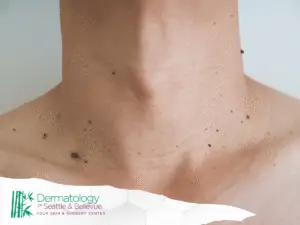
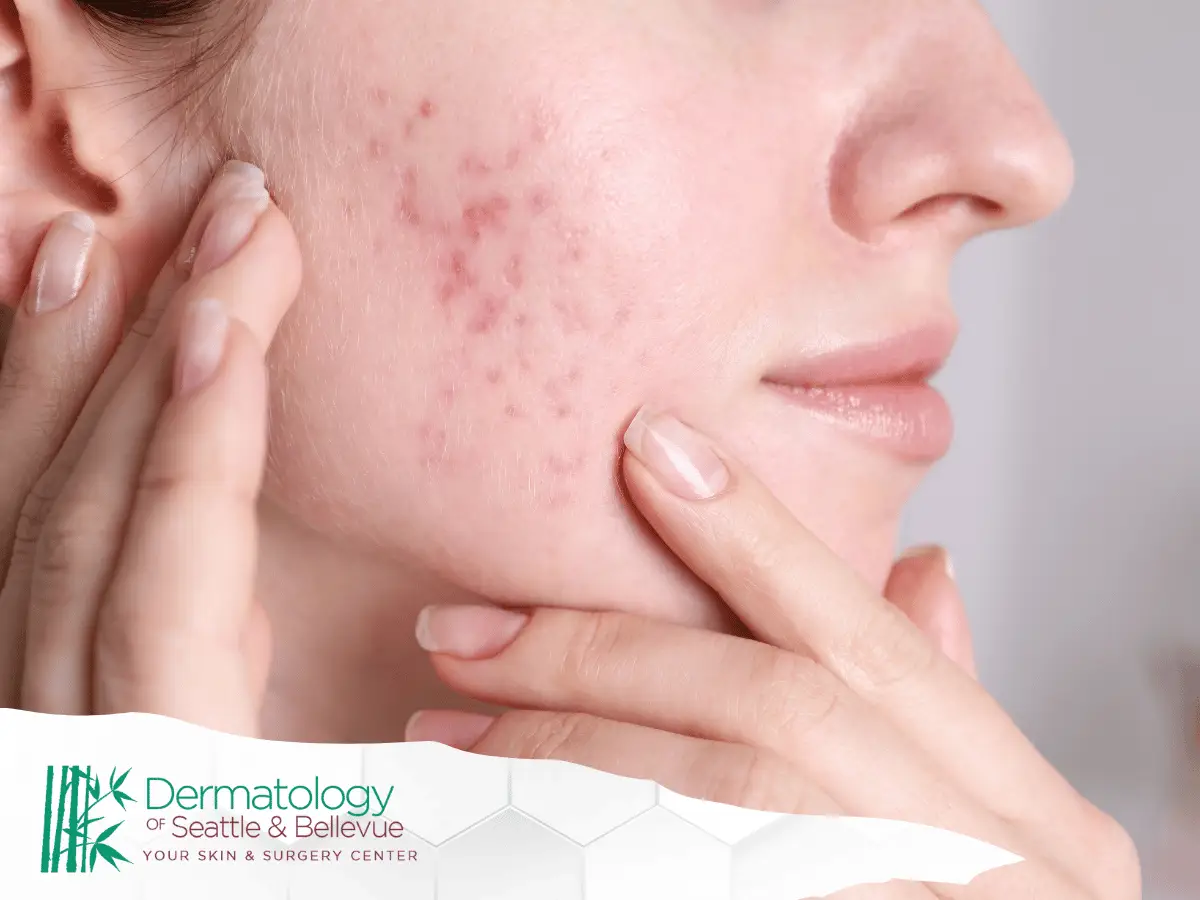
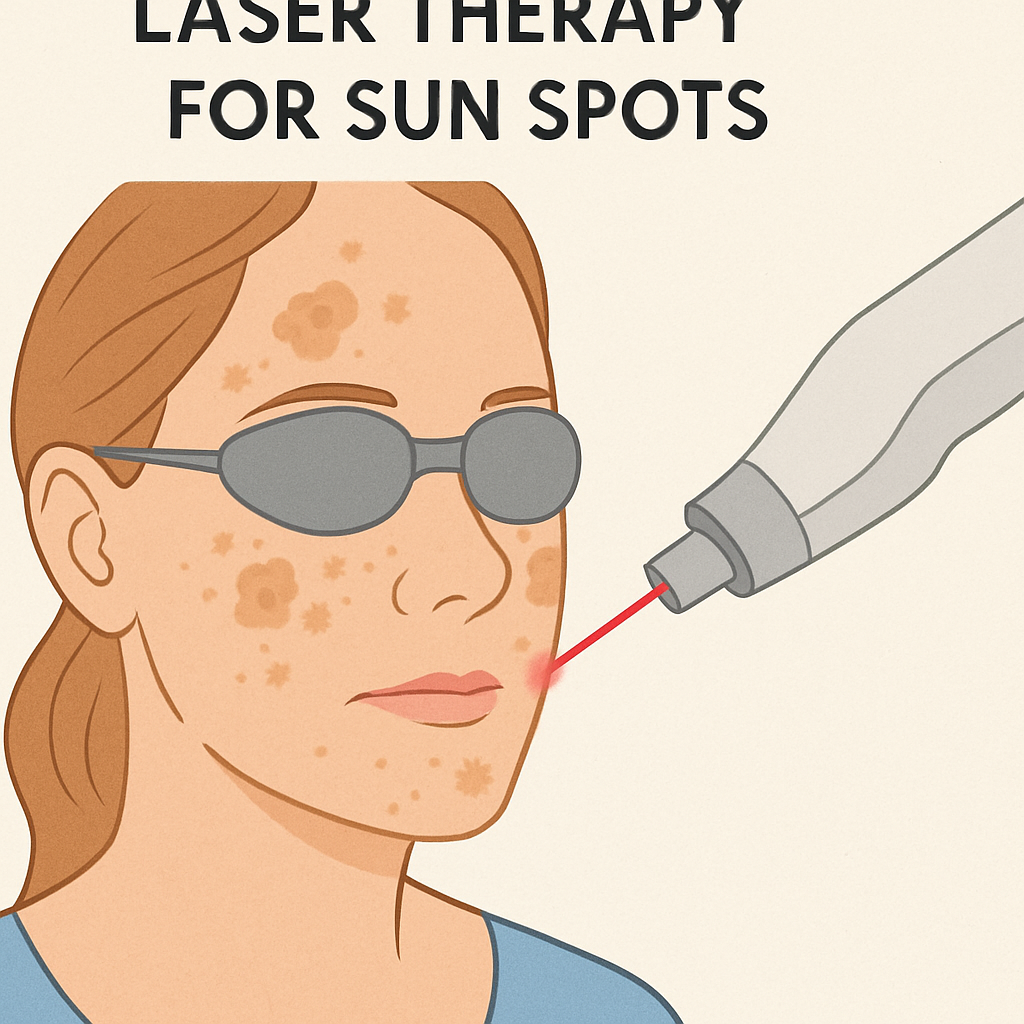
Sun spots are flat brown, tan, or gray patches caused by extra pigment (melanin) in the skin. They tend to develop slowly over years and become more noticeable after summers with higher UV exposure. Most are harmless, but not every brown spot is a sun spot. Some pigmented lesions can look similar and need evaluation before any cosmetic treatment.
Sun spots can range from small freckle-like clusters to larger, well-defined patches, and they may overlap with redness or texture changes.
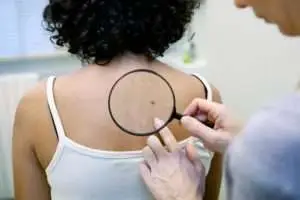
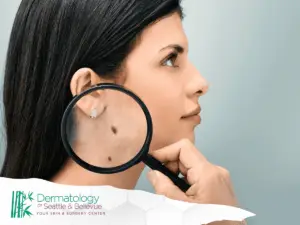
If a spot is new, changing, irregular in shape or color, bleeding, or not healing, it should be checked before you pursue any laser treatment for sunspots on face or body. Lasers improve pigment, but they do not replace medical diagnosis.
The Impact of Sun Damage
Sun spots are only one piece of sun damage. UV exposure can also create fine lines, roughness, enlarged pores, persistent redness, and uneven tone. Many patients seeking laser treatment for sun damage also want a broader improvement in texture and brightness, not just lighter spots.
The “right” plan depends on whether you mainly have discrete brown spots, more diffuse discoloration, or a mix of pigment and texture changes. That distinction influences whether a targeted pigment laser is enough or whether a more comprehensive laser for sun damage is the better match. Often, clinicians combine spot treatment for individual lesions with a broader treatment to even overall tone, and they will advise whether sensitive areas like eyelids or lips are appropriate to treat.
What is Laser Therapy?
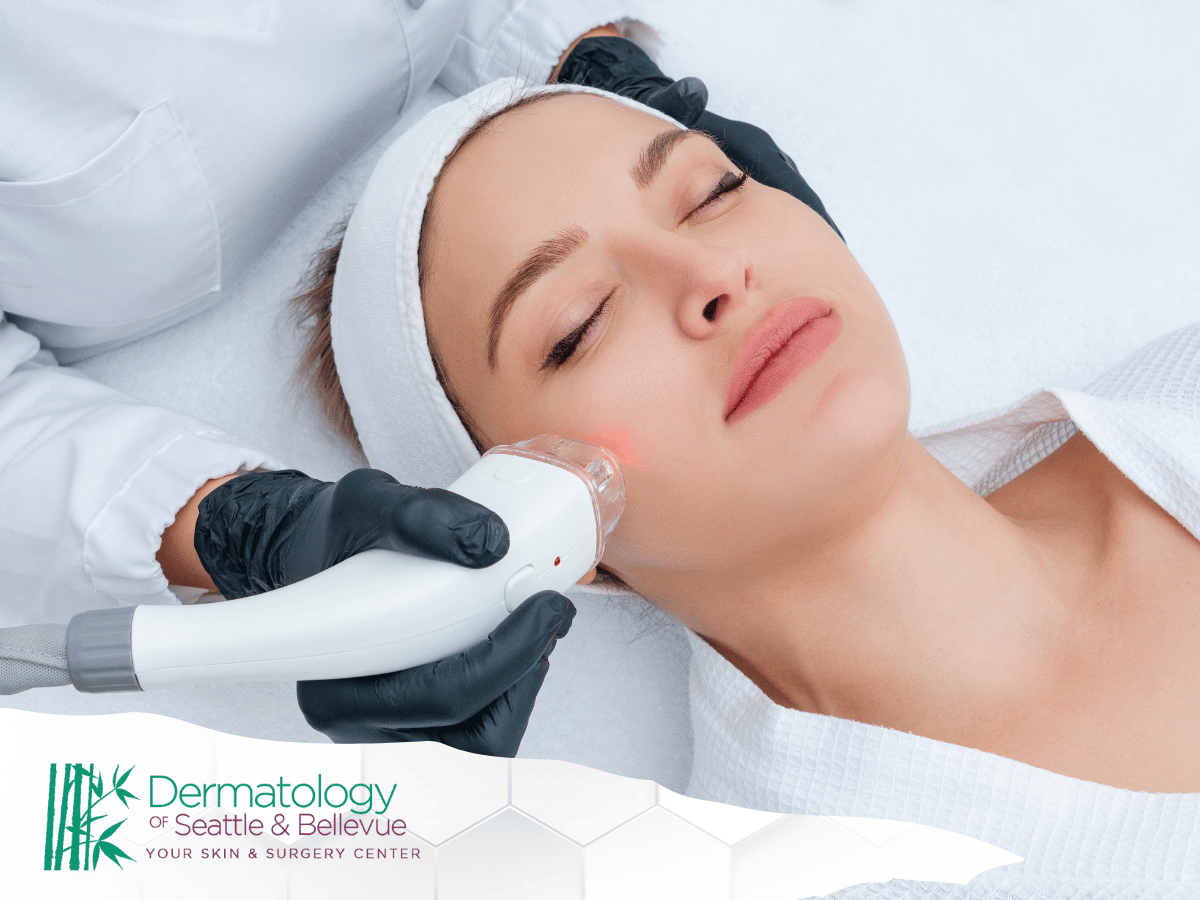
Laser therapy uses focused light energy to target specific structures in the skin. For sun spots, the target is pigment. The energy is absorbed by melanin, which breaks the pigment into smaller fragments that the body gradually clears. Different wavelengths and pulse durations are used depending on pigment depth and skin type.
Not every “laser” treatment is the same. Some devices are true lasers, while others are intense pulsed light (IPL), which can still improve certain pigment concerns. The best option depends on your skin type and the pattern of sun damage.
Types of Laser Treatments
For sun damage and pigment, treatments generally fall into a few categories:
Pigment-specific lasers
These target melanin with minimal impact on surrounding tissue. They can be effective for discrete sun spots and freckles.
IPL or broad-spectrum light devices
These treat multiple components at once, including pigment and redness, and are often used for overall tone improvement.
Fractional lasers
These create controlled micro-injuries to improve texture, fine lines, and some pigmentation. They are often chosen when sun damage includes roughness or etched-in lines.
Resurfacing lasers
These are more intensive and can address texture and pigment together, but they come with more downtime and require careful candidacy assessment.
Your clinician may recommend one approach or a combination, especially when pigment is mixed with redness or texture changes. You may hear terms like Q-switched or picosecond lasers for pigment, or fractional resurfacing for texture. What matters most is the match to your skin type and goals, and settings that prioritize predictable lightening.
Best Laser for Sun Damage
The best laser for sun damage is the one matched to your skin type and the specific problem you want to correct. For isolated brown spots, a pigment-targeting approach may deliver results with fewer sessions. For diffuse sun damage, a broader strategy such as IPL or fractional resurfacing may produce more noticeable overall improvement, even if it takes multiple visits.
A key safety point: skin tone matters. Some devices carry a higher risk of post-inflammatory hyperpigmentation in darker skin tones. The right device settings, pre-treatment preparation, and aftercare reduce risk, but device selection is still crucial.
Overview of Laser Treatment Techniques
Some treatments focus on “spot treating” individual lesions, while others treat the entire face or a larger zone. Spot treatment can be efficient when you have a handful of well-defined sun spots. Full-face or field treatments can be better when pigment is widespread and you also want to improve overall tone.
Your plan may also include topical skincare, sun protection, and sometimes pre-treatment skin conditioning to make results more predictable and recovery smoother.
How Laser Therapy Works for Sun Spots
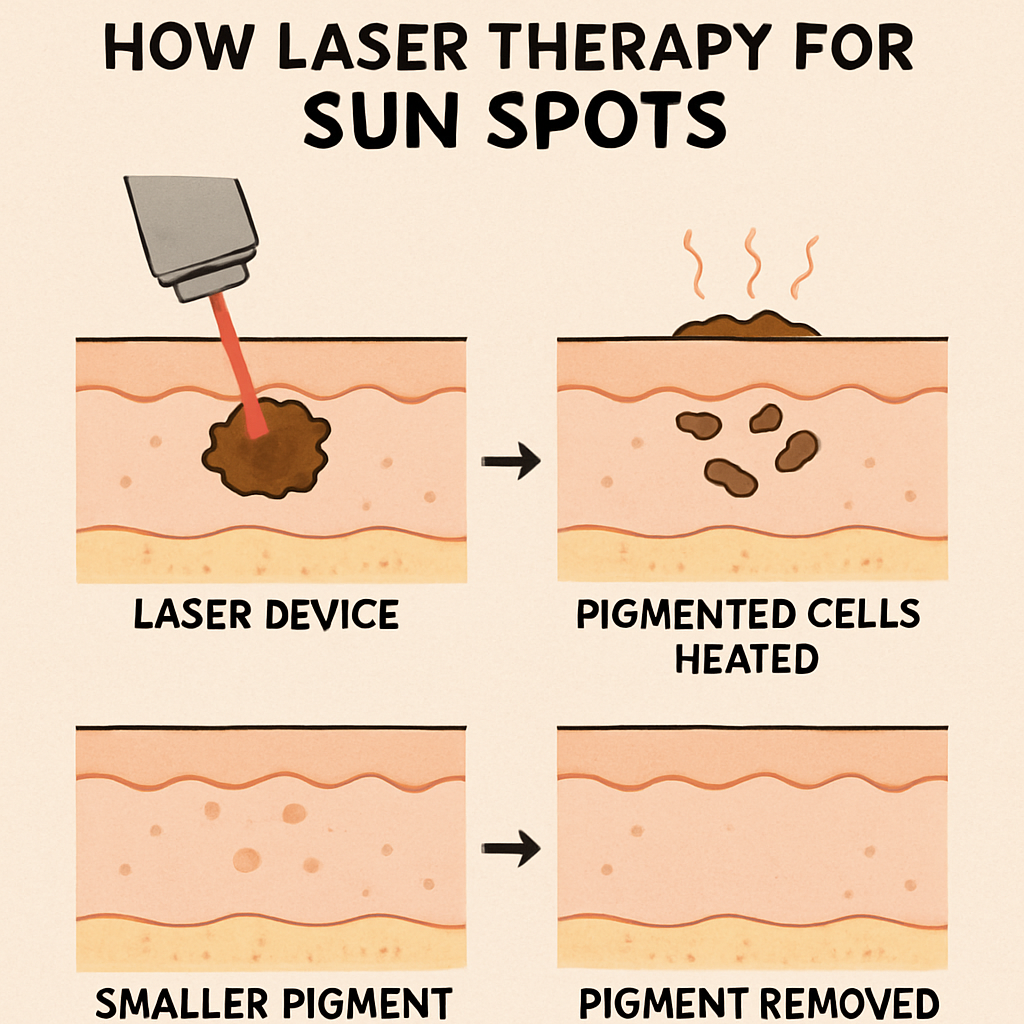
Laser therapy for sun spots works by targeting melanin. When the pigment absorbs the light energy, it heats up and breaks apart. Over the next one to two weeks, the treated pigment often darkens temporarily, forms a light crust, and then flakes off. This is a normal part of the process for many pigment treatments.
If your goal is laser treatment for sunspots on face, it helps to know that the face generally heals quickly, but it is also more visible during the brief “coffee ground” phase when pigment darkens and sheds.
Mechanism of Action
Different devices use different wavelengths to focus energy at specific depths. Superficial sun spots respond well to pigment-specific targets. Deeper pigment or mixed conditions, such as melasma, can be more complex and may not respond the same way.
A common misconception is that stronger is always better. Over-treating can increase irritation and the risk of unwanted pigment changes. Effective treatment is about correct targeting, appropriate settings, and a plan that respects your skin’s recovery.
Skin Response to Treatment
After laser for sun damage, the skin’s response can include mild swelling, warmth, and redness for a short period. Pigment-targeting treatments may cause treated spots to darken before they lighten. Fractional treatments may create a sandpaper-like texture for a few days as the skin renews.
Your response also depends on your baseline skin sensitivity and your routine. Using retinoids, acids, or harsh cleansers too close to treatment can increase irritation. Your clinician will usually advise pausing certain products before and after.
Treatment Process
Most people do best when they treat laser therapy as a process, not a one-time event. The goal is controlled improvement over a series of treatments with enough healing time in between.
Initial Consultation
A consultation should confirm that the spots you want treated are appropriate for cosmetic laser therapy. In a Bellevue clinic, this typically includes:
A close visual exam of the lesions
Discussion of your tanning history and sun exposure habits
Review of skin type, sensitivity, and prior reactions to treatments
A plan for the face, hands, chest, or other areas if multiple zones are involved
This is also the time to discuss whether laser treatments are safe for lips and facial skin in your case. The lips can be treated in some situations, but they require careful assessment because the tissue is different and more sensitive.
Preparing for Laser Treatment
Preparation is about reducing irritation risk and improving predictability. Common guidance includes:
Avoid tanning and self-tanners before treatment
Use daily sunscreen consistently leading up to your appointment
Pause irritating actives as directed, such as retinoids or strong exfoliants
Tell your clinician about cold sore history, because prevention may be recommended for certain treatments around the mouth
On treatment day, sessions are usually quick. Cooling and protective eyewear are standard. Expect brief snapping or heat, and sensitivity varies by area.
If you are prone to hyperpigmentation, your clinician may recommend a pre-treatment routine to stabilize pigment behavior. This is especially relevant when people search for the best laser for sun damage and assume the device alone determines success.
Number of Sessions Required
How many sessions do you need? For many patients with classic sun spots, noticeable improvement can happen in one to three sessions for most people. Some discrete spots lighten dramatically after a single targeted treatment. Diffuse pigment, mixed sun damage, or combined goals (pigment plus texture) often requires a series.
Typical spacing is several weeks between sessions to allow the skin to clear pigment and calm inflammation. Your plan should also account for your calendar, because you may have a few days where treated spots look darker before they shed.
Factors Influencing Treatment Frequency
Several factors influence treatment frequency:
Spot depth and density: deeper or heavier pigment often needs more sessions
Skin tone: safer settings may mean more gradual progress
Treatment type: fractional and resurfacing approaches usually follow a series
Sun exposure: ongoing UV exposure can create new pigment and slow progress
Skincare consistency: good barrier care and sun protection support better outcomes
If you want a “one and done” approach, that usually points to targeted treatment of a small number of spots rather than global sun-damage correction.
Post-Treatment Care and Expectations
After laser therapy for sun spots, aftercare is not optional. The skin is temporarily more sensitive, and the wrong products or sun exposure can trigger irritation and rebound pigmentation.
Managing Side Effects
Common short-term effects include redness, mild swelling, and a sunburn-like warmth. Treated spots may darken and then shed. You may be asked to:
Use a gentle cleanser and bland moisturizer
Avoid scrubbing or picking at darkened spots
Pause active ingredients until the skin is calm
Use sunscreen daily, and reapply if outdoors
Avoid heat exposure for a short period if advised, since heat can worsen redness in the first day or two. If you wear makeup, ask when it is safe to reapply.
If you have unexpected blistering, significant swelling, worsening pain, or signs of infection, contact your provider promptly.
Long-Term Skin Maintenance
Laser treatment removes existing pigment, but it does not erase your skin’s ability to form new spots. Maintenance is about protecting the results:
Daily broad-spectrum sunscreen
Protective hats and shade habits when possible
Consistent skincare that supports the barrier
Periodic maintenance treatments if pigment returns
If you have a job or hobbies that increase sun exposure, plan for that honestly. Even the best laser for sun damage cannot compete with unprotected UV exposure.
When to See Results
Many people ask how long it takes to see results after laser therapy for sun damage. With pigment treatments, early changes can be visible within one to two weeks as darkened spots shed. Overall tone can continue to improve over the following month as the skin stabilizes.
For texture-focused treatments, results are often more gradual. The skin may look slightly rough or dry initially, then smoother over several weeks. If you are doing a series, results build with each session.
Conclusion
Laser therapy for sun spots can be a highly effective way to reduce visible pigment and improve overall tone, especially when the treatment is matched to your skin type and the kind of sun damage you have. Many patients see meaningful improvement in one to three sessions, while broader sun damage and texture goals often require a planned series.
The best results come from accurate diagnosis, a realistic session plan, and consistent sun protection to reduce new pigment.
Disclaimer
This article is for general educational purposes only and does not provide medical advice, diagnosis, or treatment. Laser procedures carry risks and are not appropriate for every skin type or condition. If you have a new, changing, painful, bleeding, or non-healing skin lesion, seek evaluation from a qualified healthcare professional before pursuing cosmetic treatment. Always follow your clinician’s pre- and post-procedure instructions.