
New Freckle on the Palm: Should You Worry?
Quick Summary
- A new freckle on palm skin isn’t automatically dangerous, but acral spots can include rare cancers like acral lentiginous melanoma.
- Benign palm spots are often flat, evenly colored, well defined, and may follow skin lines; irritation-related marks fade in 1–3 weeks.
- Concerning signs include persistence beyond weeks, irregular borders, multiple colors, growth, bleeding, cracking, ulceration, itching, or pain.
- Track new palm spots with dated photos every 2–4 weeks; don’t wait for pain, since early lesions can be painless.
- Dermatologists may use dermatoscopy and biopsy; treatment ranges from monitoring and barrier repair to surgical excision for confirmed skin cancer.
Introduction
Importance of Skin Awareness
Most people watch moles and freckles on the face, arms, and legs. Palms are easy to miss, so a new freckle on palm skin can feel unexpected.
A new spot on the palm is not automatically dangerous, but it deserves attention. The palm is part of acral skin (palms and soles). Some uncommon skin cancers, including acral lentiginous melanoma, can appear there. Many acral spots are benign. The goal is to recognize when a freckle-like mark needs a professional look.
Overview of Acral Spots
An acral spot is any pigmented mark on the palm or sole. It may be a freckle on palm of hand skin, a mole on palm of hand skin, a stable brown macule, or pigment from irritation or minor trauma. Because the palm is thicker and has unique skin lines, acral spots can look different than spots elsewhere, and quick assumptions can be misleading.
If you are wondering why you suddenly got a new freckle on palm skin, common explanations include friction from tools or exercise equipment, a healing rash, a small pinch injury, or pigment left behind after inflammation. Less commonly, a new pigment spot can represent a true mole or another growth that needs evaluation.
Understanding Freckles and Moles
Difference Between Freckle and Mole
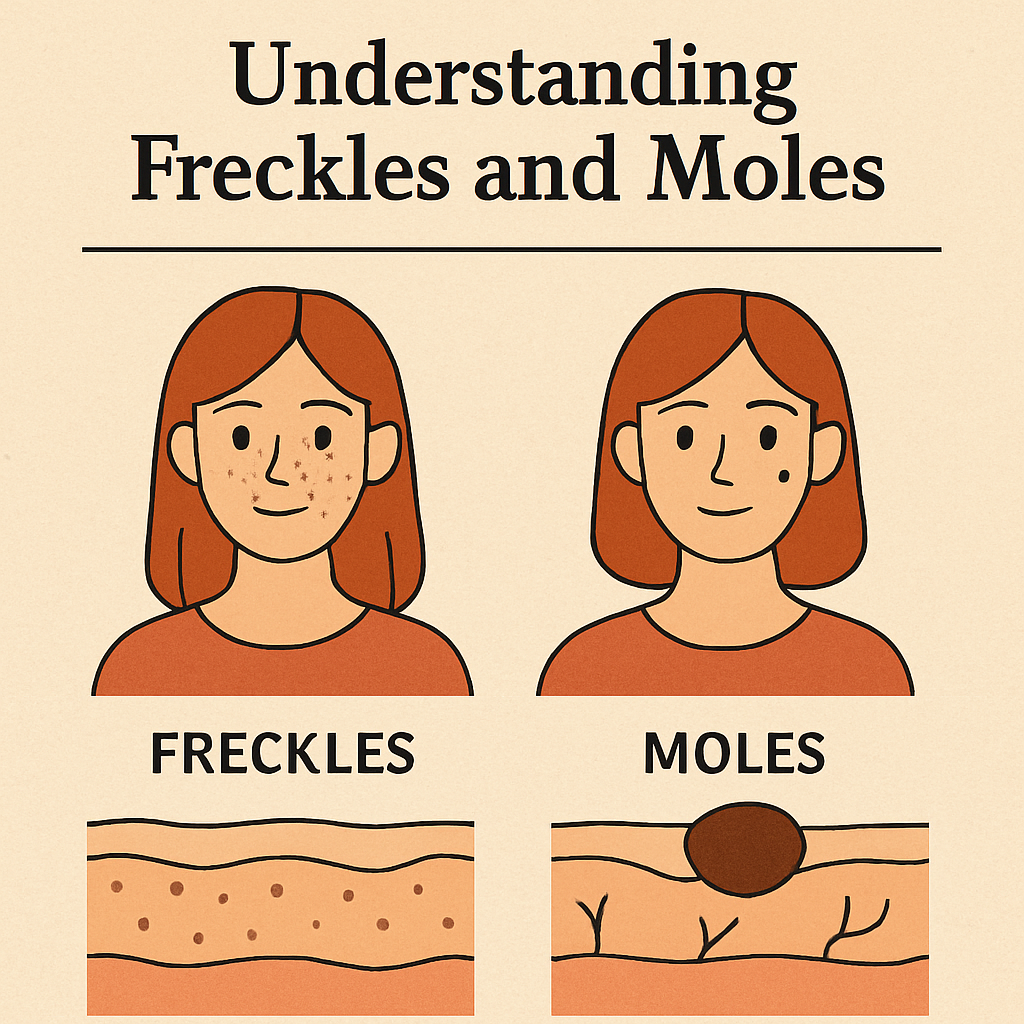
Freckles are usually small, flat pigment spots that can darken with sun exposure. On the palm, true freckles are less common, so many people use freckle as a catch-all term for any small brown mark.
Moles are made from clusters of pigment-producing cells. They can be flat or raised and can appear anywhere, including the palms. A key difference is not the label, but whether the spot is stable over time. If a freckle vs mole question is hard to answer on the palm, the safest approach is to focus on newness and change.
Common Appearance of Freckles on Palm
A benign freckle on palm of hand skin is typically flat, evenly colored, and well defined. Some harmless acral spots follow the natural skin lines in a tidy, uniform way.
Several benign issues can mimic a new freckle on palm:
- Post-inflammatory hyperpigmentation after irritation or eczema
- A small bruise or blood spot from friction that fades over time
- A flat acral mole (often called a junctional nevus) that may be present for years
If a spot is clearly fading over one to three weeks, that leans toward irritation or minor trauma. If it persists, it should be evaluated in context.
Signs to Watch For
Identifying a New Freckle on Palm
Start with a baseline. Note when you first saw the spot and its approximate size, and consider whether friction, a recent rash, or a small injury could explain it.
A new freckle on palm of hand skin is more concerning when it:
- Persists beyond a few weeks without an obvious cause
- Has an irregular outline rather than a smooth border
- Shows multiple colors instead of one consistent shade
- Looks different from other marks on your hands or feet
If you want to track it, take a clear photo in consistent lighting and compare every two to four weeks.
Changes That May Indicate Skin Cancer
When people ask what melanoma on the palm looks like compared with a harmless freckle, the practical answer is that it often changes, looks irregular, or behaves unlike your typical spots.
Changes that can suggest skin cancer on palm of hand skin include:
- Growth in size over weeks to months
- Darkening or new color variation
- Increasing asymmetry or border irregularity
- Bleeding, cracking, ulceration, or recurrent scabbing
- A persistent symptom such as pain or itching in one spot
- Clear evolution, meaning it keeps shifting in appearance over time
On acral skin, a mark that looks smudged, uneven, or progressively expanding is a reason to schedule an exam.
Potential Risks
Risk Factors for Skin Cancer on Palm of Hand
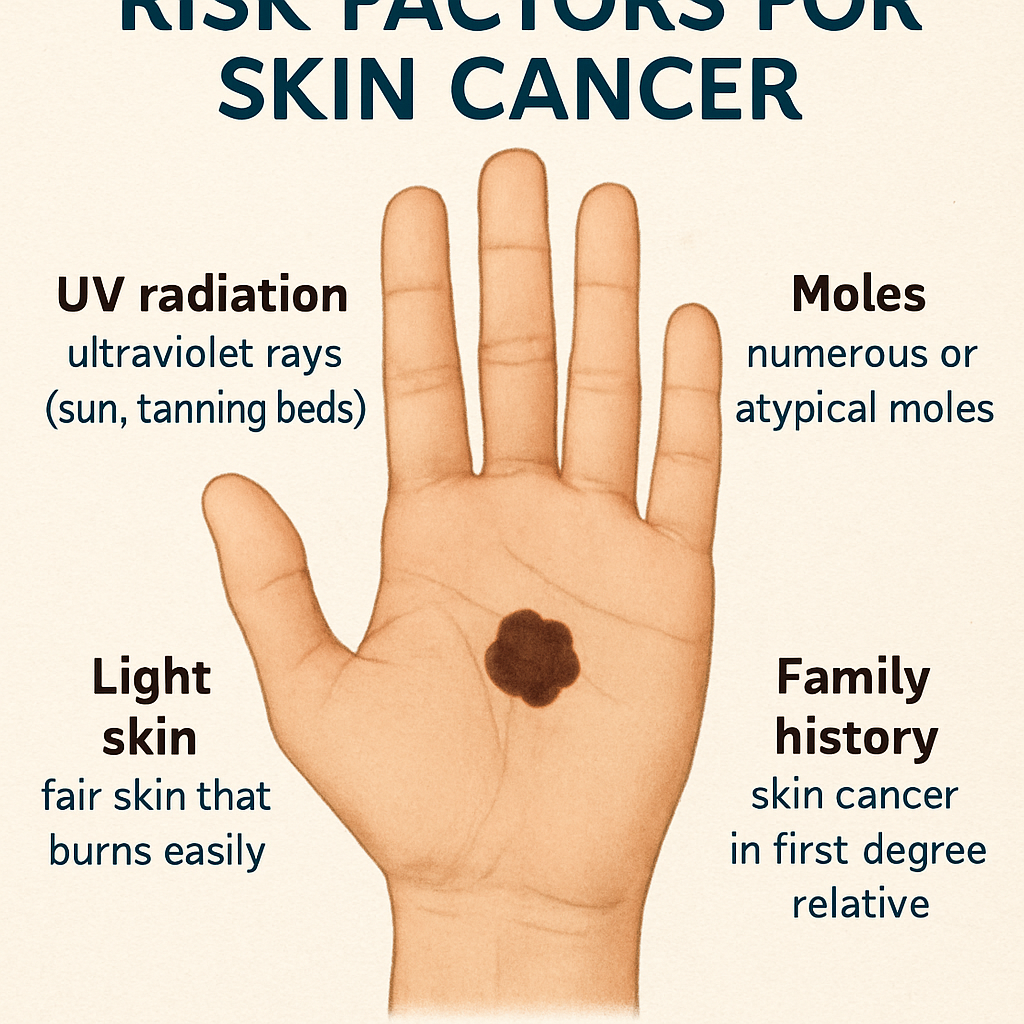
Acral melanoma can occur in any skin tone and is not as tightly linked to sun exposure as many other melanoma types. That is one reason acral lesions can be missed or dismissed. Risk is still low overall, but delay matters, because thicker lesions generally require more extensive treatment.
Factors that may increase concern include:
- A new or changing spot on the palm or sole after age 30
- Personal or strong family history of melanoma
- Immunosuppression
- A lesion that is rapidly evolving or symptomatic
Even without risk factors, a persistent new acral spot should be assessed if it is changing or atypical.
Genetic and Environmental Influences
Genetics influence how many moles you have and how pigment appears after inflammation. Environmental influences on palms are often mechanical: pressure, friction, chemical exposure, and frequent handwashing. These can trigger irritation that leaves temporary discoloration.
In Bellevue, people who use tools, clean frequently, or wear gloves often see more palm irritation. If a mark does not fade like irritation or keeps evolving, it deserves a closer look. A common mistake is waiting for a palm spot to hurt. Many concerning lesions are painless early on.
When to Seek Medical Advice
Symptoms Requiring Immediate Attention
Seek medical advice promptly if you notice:
- Rapid growth, bleeding, or an open sore on the palm
- A dark spot with irregular borders or multiple colors
- A lesion that becomes increasingly painful or tender
- A spot that continues to enlarge over a month
- A changing mark plus new cracking that will not heal
If you also have signs of infection such as spreading redness, warmth, pus, or fever, urgent evaluation is appropriate.
Importance of Regular Skin Examinations
Regular self-checks help you catch changes early. A reasonable routine is monthly, scanning your skin including palms, soles, and between fingers and toes. If you have many moles, a history of skin cancer, or a strong family history, ask a dermatologist in Bellevue about the right cadence for professional full-skin exams.
If you notice a new freckle on palm of hand skin, do not rely on memory alone. Photos, dates, and a quick note about symptoms can make a medical visit more efficient and more accurate.
Diagnosis and Treatment Options
Dermatological Evaluation
A dermatologist will examine the spot closely and often use a dermatoscope, a lighted magnifier that reveals pigment detail beneath the surface. They may measure the lesion, compare it to other marks, and ask about timing and symptoms, including whether it started after friction or a rash.
If the spot is suspicious or unclear, a biopsy is often the next step. On the palm, biopsies are planned carefully because the skin is thick and used constantly. Local numbing medicine is typically used, followed by specific wound care instructions. Pathology results may show a benign freckle-like macule, a benign mole, a lentigo, or an atypical lesion that needs wider removal.
Treatment Approaches for Skin Cancer on Palm
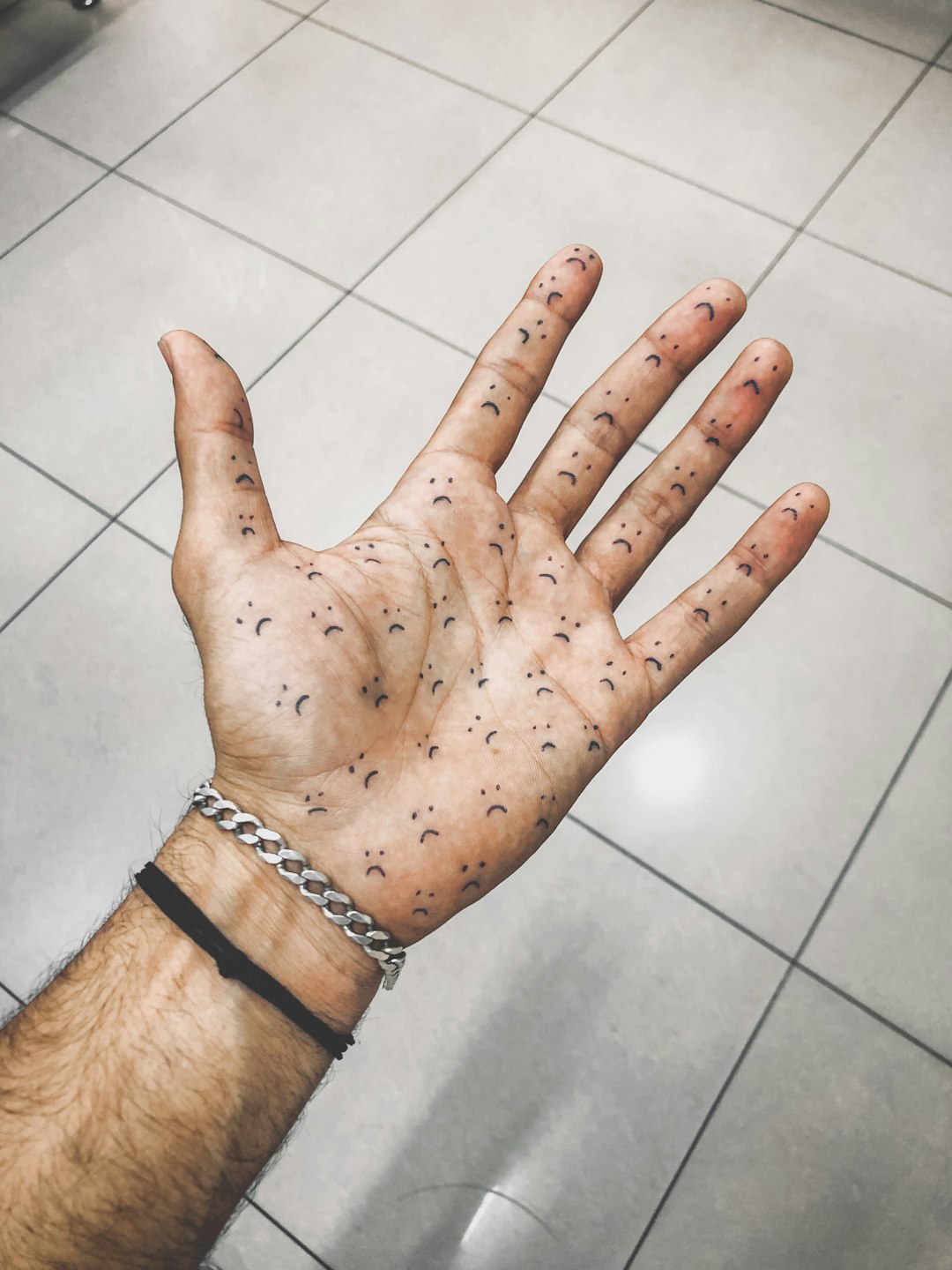
If testing shows skin cancer on palm of hand skin, treatment depends on the type and depth. Many lesions are treated with surgical removal. For melanoma, treatment commonly includes excision with appropriate margins and may involve additional staging steps based on depth and other findings. Follow-up visits are used to monitor healing and screen for other concerning lesions.
If the biopsy is benign, care may be reassurance and monitoring. If irritation or eczema is contributing, your dermatologist may recommend barrier repair, anti-inflammatory treatment, and trigger reduction to prevent recurrence. For people whose hands are frequently exposed to water or chemicals, protective gloves and a consistent moisturizer routine can reduce repeat inflammation and pigment changes.
Conclusion
Importance of Monitoring Skin Changes
A new freckle on palm skin is not a reason to assume the worst, but it is a reason to pay attention. Acral skin can develop benign pigment marks and, less commonly, serious conditions that are easier to treat when caught early. Tracking change and avoiding picking are practical steps you can take immediately. When unsure, get it checked sooner professionally.
Final Thoughts on Awareness and Prevention
If you notice a freckle on palm of hand skin that is new, persistent, changing, or unusual, scheduling a dermatology visit is a sensible move. In Bellevue, a focused exam can often clarify whether you are looking at a harmless spot, irritation-related pigment, a mole on palm of hand skin, or something that needs treatment. When in doubt, checking early is the safer choice, especially for a new freckle on palm of hand skin that persists beyond a few weeks.
Disclaimer
This article is for general educational purposes only and does not provide medical advice, diagnosis, or treatment. If you have a new or changing pigmented spot on your palm or sole, especially one that is growing, bleeding, painful, or irregular, seek evaluation from a qualified healthcare professional.