
Is Hair Replacement Surgery Worth It?
Quick Summary
- Hair replacement surgery can be worth it with stable loss, adequate donor area, and realistic expectations about density and recovery.
- FUE extracts follicles individually with subtle dot scars; FUT removes a strip, leaving a linear scar usually hidden by hair.
- Pros include natural-looking framing with proper hairline design; transplanted follicles often last years, though surrounding hair may thin.
- Cons include swelling, redness, crusting, shock loss, and uneven early growth; rare risks include infection, scarring, poor graft survival.
- Alternatives include medications, low-level light therapy, in-office treatments, camouflage, and lifestyle evaluation for stress, nutrition, iron, or thyroid issues.
Understanding Hair Replacement Surgery
If you are asking is hair replacement surgery worth it, you are usually trying to balance natural-looking results against downtime, cost, and the chance you may still thin in the future. In Bellevue, the deciding factor is whether surgery can deliver a change without creating an obvious “transplant look” in daily life.
Hair replacement surgery can be worth it when hair loss is stable, the donor area is adequate, and expectations match what your scalp can support. It is usually not worth it when hair loss is still progressing, the donor area is limited, or you want a dramatic density jump with no recovery time.
What is Hair Replacement Surgery?
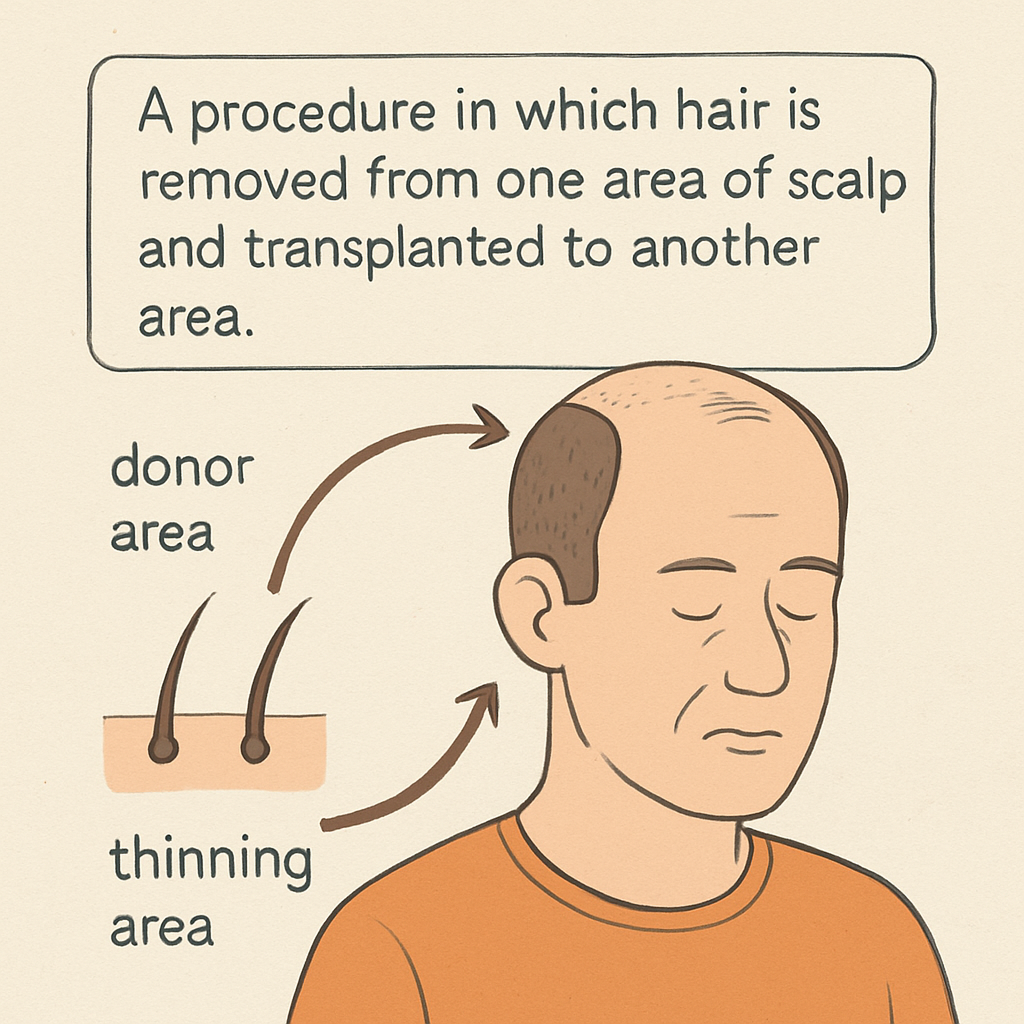
Hair replacement surgery, most commonly a hair transplant, moves your own follicles from a donor region (often the back or sides of the scalp) into thinning areas. The goal is permanent redistribution of hair. It does not stop future loss in areas that are not transplanted, which is why many patients pair surgery with medical maintenance.
Common Techniques in Hair Replacement
FUE removes follicular units one by one, leaving many tiny dot scars that are typically subtle once healed. FUT removes a narrow strip of scalp, then prepares grafts from that strip, leaving a linear scar that is usually hidden by hair length.
The best technique depends on donor density, hairstyle preference, how many grafts are needed, and how the surgeon plans long-term coverage. It also affects practical details like whether your hair must be shaved, how soon you can return to work, and what scar you may see if you later choose a very short haircut.
Pros of Hair Replacement Surgery
Natural-Looking Results
A good transplant can look very natural, but the result depends on design and execution. An age-appropriate hairline, correct graft angle, and a realistic density plan matter more than the method used. For many patients, the biggest win is improved framing of the face, not perfect uniform thickness.
How long do hair transplant results usually last? Transplanted follicles are typically resistant to the hormonal pattern that drives common hair loss, so they can last for many years. You can still thin around them, so planning and maintenance influence how long the overall look stays balanced.
Boost in Self-Esteem
Hair loss can affect confidence in photos, dating, and professional settings, and PRP hair loss therapy may be an option to consider. When surgery is successful, many patients feel less preoccupied with concealing thinning and more comfortable with shorter or simpler hairstyles.
The timeline is important: shedding after surgery is common, then regrowth builds gradually. Many people see clearer change around months 6 to 12, with maturation continuing beyond that.
Cons of Hair Replacement Surgery
Hair Transplant Side Effects
Hair transplant side effects are usually temporary but should be taken seriously. Short-term issues can include swelling, soreness, numbness, redness, and crusting at graft sites. Some people experience temporary shedding of nearby hair (often called shock loss). Early growth can look uneven before it matures.
Most procedures use local anesthesia, sometimes with medication to help you relax. Discomfort afterward is often manageable, but you may need to pause strenuous exercise and protect the scalp from sun and friction during early healing.
Common Side Effects
Common side effects hair transplant surgery patients report include itching during healing, scabbing, and tenderness in donor and recipient areas. Small pimple-like bumps can occur as new hairs emerge. These issues are usually manageable with aftercare and time.
Rare Complications
Rare complications include infection, poor graft survival, noticeable scarring, and an unnatural look if placement is poorly planned. Overharvesting in FUE can thin the donor area, especially with very short haircuts. For some people, the main downside is needing future sessions if hair loss progresses and the initial plan did not account for it.
Alternatives to Hair Replacement Surgery
Non-Surgical Treatments
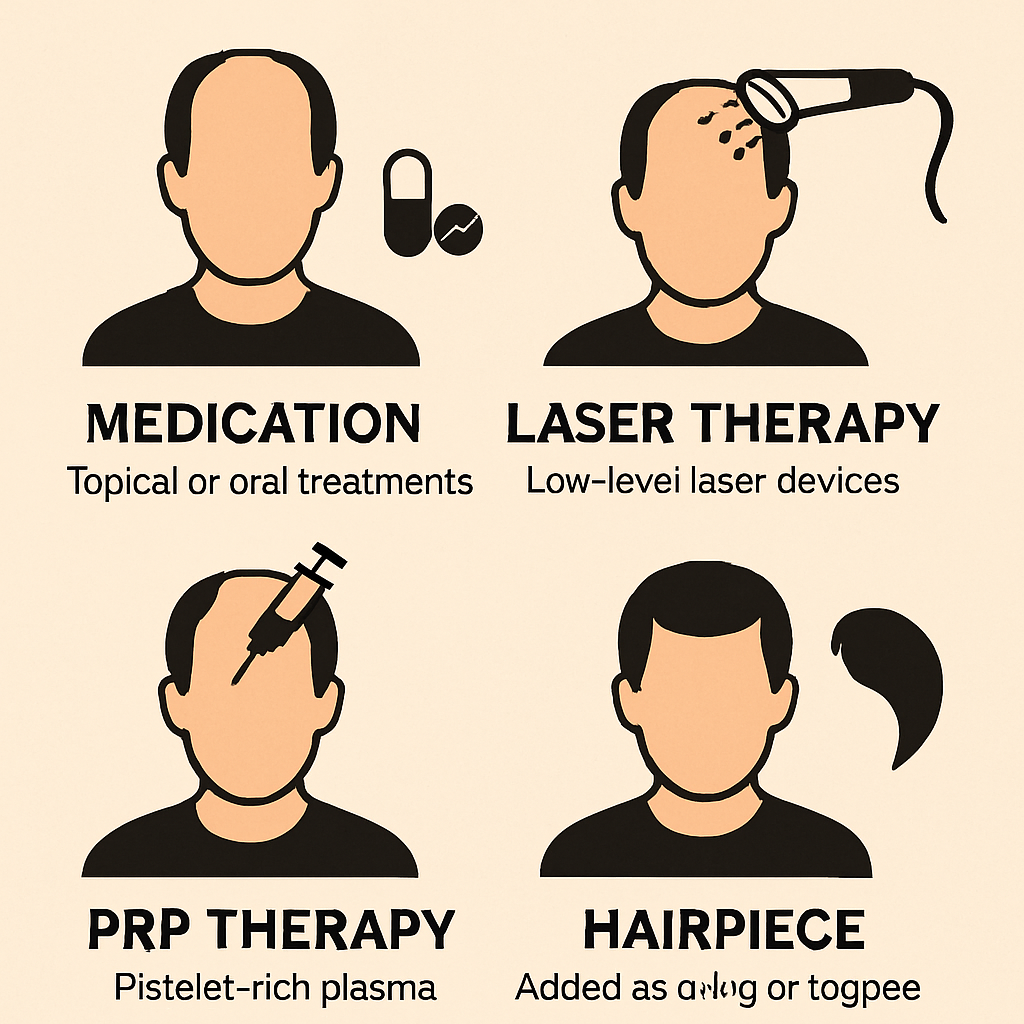
If you are not ready for surgery, non-surgical options may help you slow loss and improve thickness. Depending on the cause of hair loss, a clinician may recommend topical or oral medications, low-level light therapy, or in-office treatments aimed at reducing inflammation and supporting growth. Cosmetic camouflage, strategic styling, and hair fibers can also create a noticeable visual improvement without downtime.
This step matters because not all thinning is the same. Pattern hair loss, stress-related shedding, and inflammatory scalp conditions can look similar at first, but they respond to different plans.
Lifestyle Changes
Lifestyle changes will not override genetics, but they can reduce shedding when stress, nutrition, or medical factors contribute. If thinning changed quickly, consider medical evaluation for contributors like iron deficiency or thyroid issues. Gentle scalp care, adequate protein, and consistent sleep can support healthier hair cycles.
Is Hair Replacement Surgery Right for You?
Factors to Consider
The best candidates typically have:
- A stable pattern of loss
- Adequate donor density
- Expectations focused on improvement, not perfection
- Willingness to follow aftercare and consider maintenance
People with diffuse thinning across the entire scalp, active scalp disease, or unrealistic density goals may need medical treatment first or a different plan.
Consultation and Expectations
A strong consultation should include donor assessment, a discussion of likely future loss, and a long-term design strategy. Ask how many grafts are realistic, what the recovery looks like, and how results will evolve over the first year.
Are hair transplants really worth it? They can be, when the plan is conservative and matched to your donor supply. What are the negatives or risks of getting a hair transplant? The negatives are downtime, the possibility of imperfect density, hair transplant side effects, and the fact that hair loss can continue in non-transplanted areas.
Disclaimer
This article is for general educational purposes only and does not provide medical advice, diagnosis, or treatment. Hair loss has multiple causes, and candidacy for surgery varies by individual. For personalized guidance, seek an evaluation from a qualified medical professional.