Quick Summary
- Spider veins are small, flat red/blue/purple surface vessels on legs or face; usually cosmetic but may mildly ache after standing.
- Sclerotherapy injects a solution to seal veins; 15–30 min sessions, minimal downtime, often cost-effective for small–medium veins.
- Vein laser uses light heat through skin to collapse veins; needle-free, precise for tiny or delicate areas, but may need multiple sessions.
- Aftercare matters: compression stockings and avoid heavy exercise after sclerotherapy; sun protection after laser to reduce pigmentation risk.
- Varicose veins are larger, raised, and may signal venous disease; a specialist can assess and combine EVLT, sclerotherapy, and compression.
Sclerotherapy vs Vein Laser Treating Spider Veins
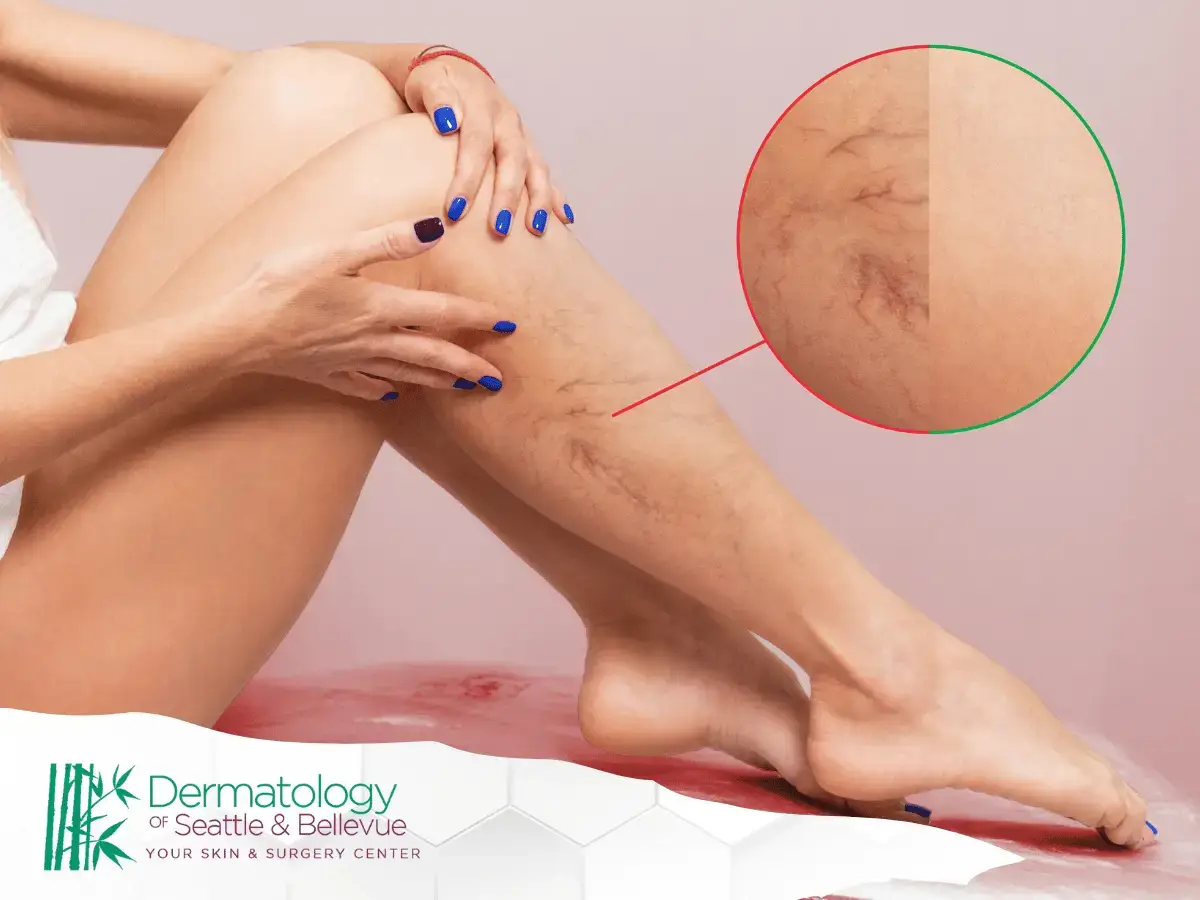
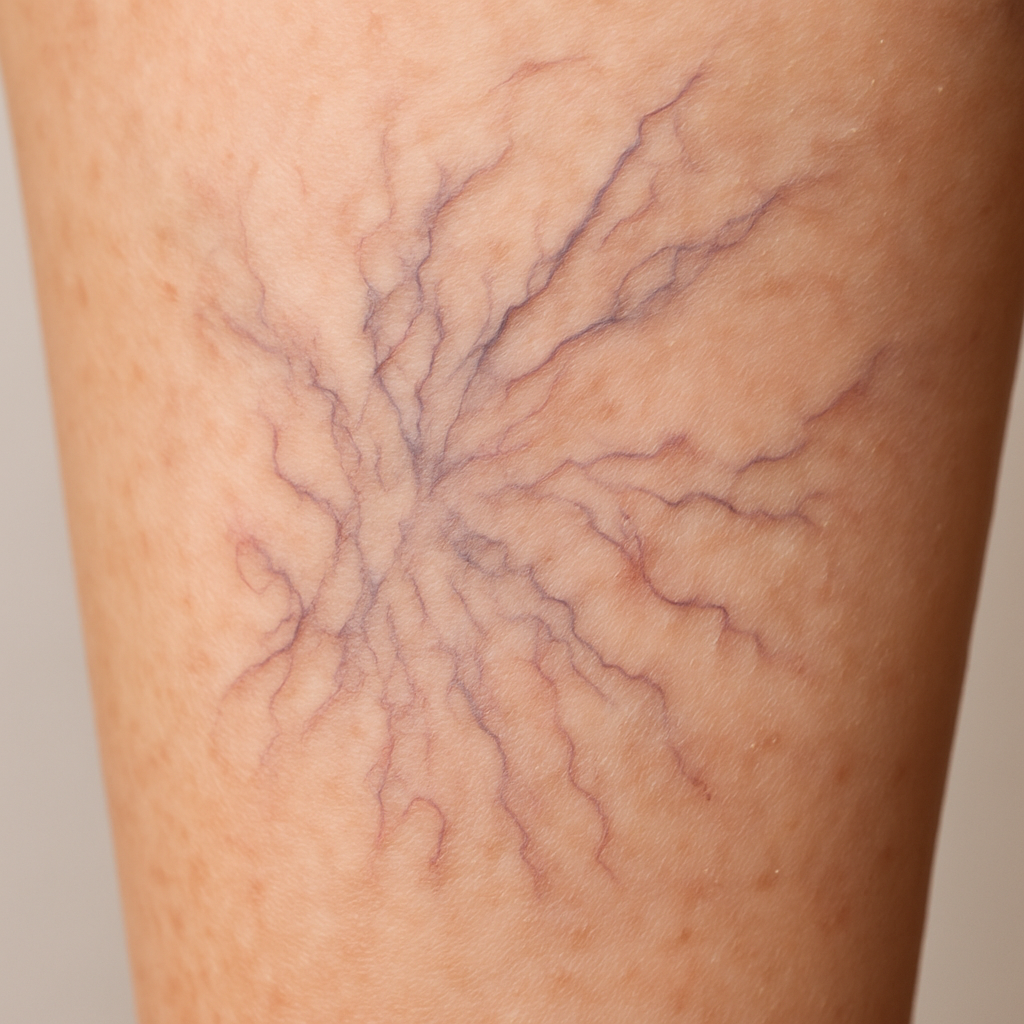
Before comparing treatment options, it helps to understand what spider veins actually are. These tiny, widened blood vessels sit close to the surface of the skin and show up as red, blue, or purple lines. While they may look similar to varicose veins, they’re smaller, don’t bulge, and tend to stay flat. Most commonly found on the legs, and sometimes on the face, spider veins usually aren’t harmful, but they can still affect confidence or comfort.
Causes and Symptoms
Spider veins can develop for many reasons, with genetics being one of the biggest factors. Hormonal changes, such as during pregnancy, puberty, or menopause, can trigger them as well. Prolonged standing, sun exposure, and aging also contribute.
Although these veins rarely cause major symptoms, some people notice mild discomfort that improves with lifestyle habits like movement breaks or compression stockings. These simple changes can reduce pressure in the legs and help slow the development of new spider veins.
Sclerotherapy: A Tried-and-True Method
Sclerotherapy remains one of the best treatments for spider veins, largely because it has been used successfully for decades. By injecting a small amount of solution directly into the vein, the vessel collapses and fades as the body naturally absorbs it.
Procedure Details
During a sclerotherapy appointment, your provider uses a fine needle to deliver a sclerosing solution into the targeted veins. The medication irritates the vein’s inner wall, causing it to seal shut. From there, the body gradually breaks down and removes the closed vein.
Sessions usually take 15–30 minutes, depending on how many veins are treated. The procedure is done in-office and doesn’t require anesthesia, making it one of the most accessible minimally invasive vein procedures available.
Benefits of Sclerotherapy
- Effectiveness: Many people notice major improvements after just a few sessions. It is especially reliable for small to medium spider veins and can treat several areas in one appointment.
- Minimal Downtime: Most people return to daily activities right away, though strenuous exercise should wait for a few days.
- Cost-Effective: Compared to newer techniques, sclerotherapy is often more affordable while still offering excellent results.
Considerations
Side effects are typically mild, such as temporary redness, bruising, or swelling at the injection site. Rarely, skin discoloration or allergic reactions occur.
Following vein treatment aftercare instructions, especially wearing compression stockings, helps improve results and reduce side effects.
Vein Laser Treatment: Harnessing Light Energy
How It Works
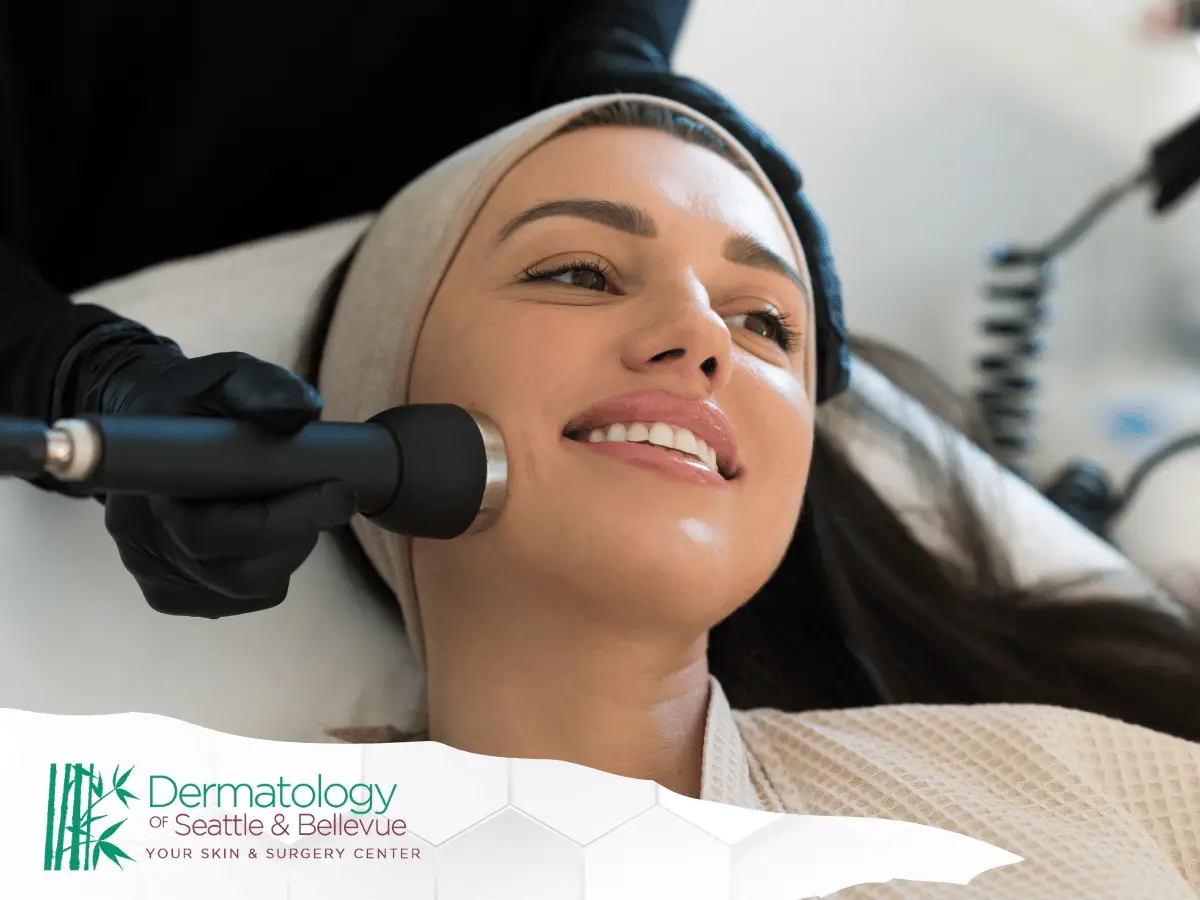
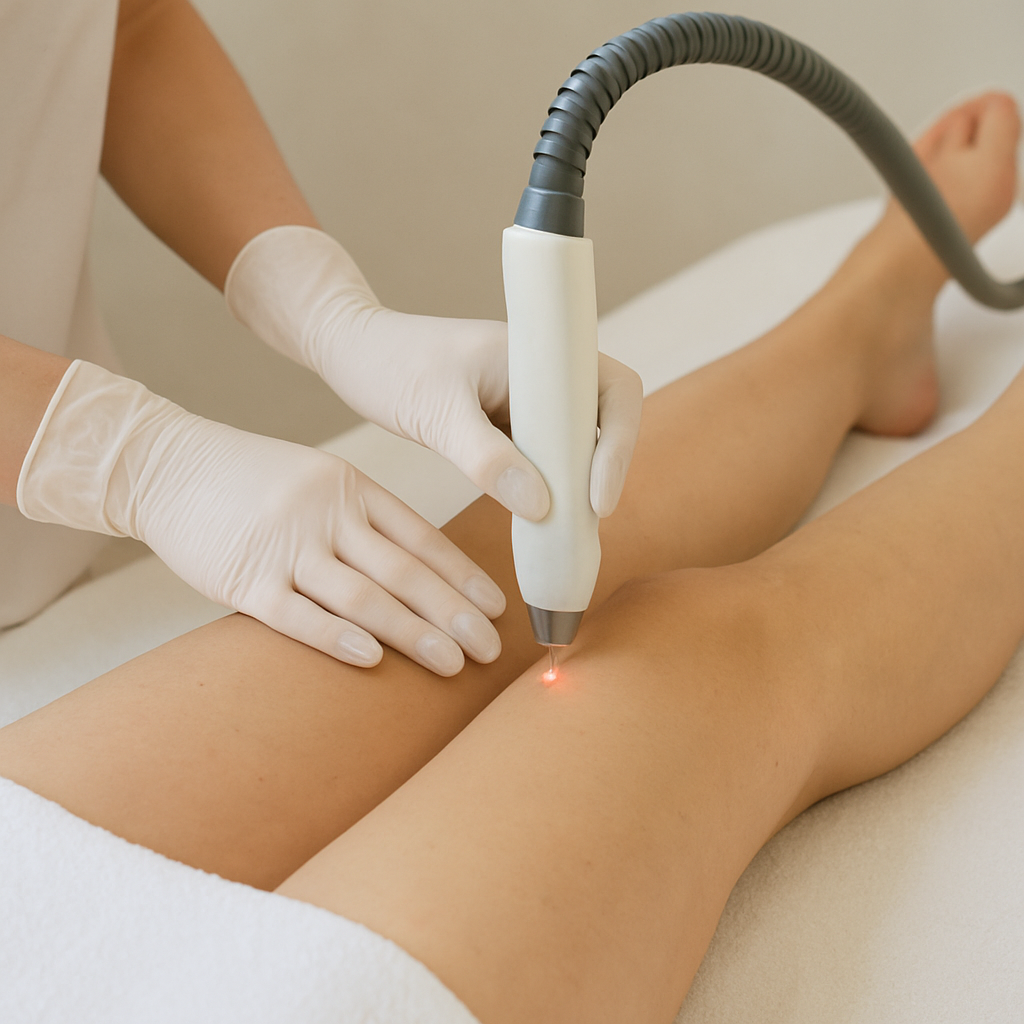
A controlled beam of laser light passes through the skin and targets hemoglobin inside the vein. When the blood absorbs this energy, it generates heat, causing the vein walls to collapse and seal shut. Over time, the body naturally absorbs the vein, making it fade from view. This approach is especially effective for spider vein removal methods involving small, superficial vessels.
Advantages of Laser Treatment
- Non-Invasive: No needles, injections, or incisions, ideal for sensitive areas or patients who dislike needles.
- Precision: The laser targets specific veins while protecting surrounding tissue, which makes it useful for veins in delicate or hard-to-treat locations.
- Quick Procedure: Most appointments last 15–30 minutes, and patients return to normal activities almost immediately.
Potential Drawbacks
Laser therapy can cause temporary redness, irritation, or pigment changes. It’s also less effective for larger veins, these often respond better to sclerotherapy. Multiple sessions may be needed for best results, which can raise the total cost.
Comparing Sclerotherapy and Laser Treatment
Choosing the right treatment depends on your goals, comfort level, and the type of veins you want to address. Here’s how the two leading options compare:
Effectiveness
Both treatments work well for spider veins.
- Sclerotherapy is typically the best choice for medium or larger veins.
- Laser treatment excels with smaller veins or those in harder-to-reach or delicate areas.
Your provider will evaluate the size and location of your veins to determine which method is the best treatment for spider veins in your case.
Pain and Discomfort
Sclerotherapy involves small injections, which may cause mild stinging. Laser treatments are often described as similar to a rubber-band snap but are generally well tolerated. Patients with low pain tolerance may prefer laser therapy, though both options are considered minimally uncomfortable.
Recovery and Aftercare

Both options offer fast recovery, but aftercare is essential for good results.
After sclerotherapy:
- Compression stockings are often recommended
- Avoid heavy exercise for a few days
After laser treatment:
- Protect the treated area from sun exposure
- Follow any guidance to reduce pigmentation risks
Good vein treatment aftercare improves healing and supports long-term cosmetic results.
Cost Considerations
Costs vary based on:
- Number of veins treated
- Location of the clinic
- Experience of the provider
Sclerotherapy is typically the more cost-effective method, but laser treatment may be preferred for specific veins or patient comfort. Insurance rarely covers cosmetic vein treatments, so it’s important to review financial details with your clinic beforehand.
Varicose vs. Spider Veins: Understanding the Difference
While spider veins are mostly a cosmetic concern, varicose veins can point to deeper venous issues. Varicose veins are larger, raised, and often twisted. They may cause symptoms like heaviness, swelling, throbbing, or aching, especially after long periods of standing or sitting. Because they can signal underlying venous insufficiency, it’s important to distinguish them from spider veins.
If your symptoms include pain, swelling, or skin discoloration, a vein specialist can help determine whether more advanced evaluation or treatment is needed. Understanding the difference between varicose vs. spider veins also ensures that you choose the right treatment option for long-term relief.
Treatment Options for Varicose Veins
For people dealing with both varicose and spider veins, a combination approach is often best.
Common treatments include:
- Endovenous laser therapy (EVLT): Targets larger varicose veins from within the vein
- Sclerotherapy: Used for smaller surface veins and residual branches
- Compression therapy: Supports healing and helps prevent new veins from forming
A vascular specialist can assess your vein health, perform imaging if needed, and build a treatment plan tailored to both medical and cosmetic goals.
Making the Right Choice for You
Choosing between sclerotherapy and laser treatment depends on vein size, your comfort with needles, cost considerations, and the type of results you’re seeking. A consultation with a provider who specializes in minimally invasive vein procedures is the best way to determine which method aligns with your needs.
They can evaluate your veins, discuss expected outcomes, and help you understand what kind of vein treatment aftercare will be required for the method you choose.
Final Thoughts
Both sclerotherapy and vein laser treatment offer effective, low-downtime solutions for spider veins on the legs. Understanding how each method works, and when one is preferred over the other, helps you make confident, informed decisions.
It’s also worth remembering that prevention matters. Healthy lifestyle habits like:
- Regular movement and exercise
- Maintaining a healthy weight
- Wearing compression stockings
- Avoiding long periods of standing or sitting
…can reduce your risk of developing new spider veins over time.
Taking the step to treat your veins is about more than appearance, it’s about feeling good in your skin and supporting long-term vascular health. With the right guidance, you can move forward with clarity and confidence.