Excessive sweating, medically known as hyperhidrosis, affects millions of people worldwide, causing discomfort and impacting daily life. Whether it’s uncontrollable sweating of the underarms, palms, or feet, effective treatment options are available to help manage this common condition. This guide explores the causes of hyperhidrosis and reviews the best non-invasive and invasive therapies to help you stop the sweat and regain confidence.
Quick Summary
- Hyperhidrosis is excessive sweating beyond cooling needs; it may be primary (focal) or secondary to conditions or meds.
- First-line options include OTC/prescription antiperspirants, anticholinergic meds, and iontophoresis for hands/feet.
- Clinic procedures include Botox (blocks nerve signals for 3–6 months) and microwave therapy for underarm sweating.
- Surgery (e.g., ETS) is a last resort and can cause compensatory sweating, so risks must be weighed carefully.
- Lifestyle support includes avoiding triggers (spicy foods, caffeine, alcohol), managing stress, and wearing breathable fabrics.
Understanding Hyperhidrosis
Hyperhidrosis is a condition characterized by excessive sweating beyond what is necessary to regulate body temperature. It can affect specific areas or be generalized across the body. Understanding the causes and types of hyperhidrosis is key to finding the right treatment strategy.
Definition of Hyperhidrosis
- Hyperhidrosis involves overactive sweat glands producing more sweat than needed for cooling.
- It may be classified as primary (focal), where no underlying medical cause is identified, or secondary, linked to medical conditions or medications.
- Common areas affected include the underarms (axillary hyperhidrosis), hands (palmar hyperhidrosis), feet (plantar hyperhidrosis), and face.
- The condition can lead to physical discomfort, social anxiety, and even mental health impacts for some patients.
Causes of Hyperhidrosis
The exact cause of primary hyperhidrosis isn’t fully understood, but it involves the nervous system sending overactive signals to the sweat glands. In contrast, secondary hyperhidrosis results from other medical conditions such as thyroid disorders, diabetes, or infections. Certain medications and lifestyle factors can also trigger excessive sweating.
Non-Invasive Treatments
Non-invasive treatments are often the first line of defense against hyperhidrosis. They are easy to use and can significantly reduce symptoms without surgery or injections. Many individuals find relief through topical antiperspirants, iontophoresis, or microwave therapy. For those seeking more advanced options, exploring burien’s laser treatment clinics may provide additional effective solutions. These clinics offer innovative approaches that can target the underlying causes of excessive sweating while minimizing downtime.
Antiperspirants
- Over-the-counter and prescription-strength antiperspirants contain aluminum-based compounds that block sweat ducts to reduce sweating.
- Prescription formulas are stronger and often recommended for excessive underarm sweating or localized hyperhidrosis.
- Proper application—usually at night on clean, dry skin—maximizes effectiveness.
- Side effects may include skin irritation or rash, so patch testing is advisable.
- Antiperspirants serve as a practical starting point for many patients seeking relief.
Prescription Medications
For cases where over-the-counter options fall short, doctors may prescribe oral or topical medications to help control excessive sweating. These can include anticholinergics that reduce sweat production by blocking nerve signals to the sweat glands. While effective, these medications may cause side effects such as dry mouth, dizziness, or blurred vision, requiring close monitoring by a healthcare provider.
Iontophoresis
Iontophoresis is a non-invasive treatment particularly effective for palmar hyperhidrosis (excessive sweating of the hands) and sometimes for feet. The procedure uses a device that delivers mild electrical currents through water to temporarily block sweat gland activity. Multiple sessions are usually needed initially, followed by maintenance treatments to sustain results.
Invasive Treatments
When non-invasive methods do not provide adequate relief, more aggressive therapies may be considered. These options typically require professional administration and carry greater risks and benefits.
Botox Injections
Botox injections are a popular treatment for focal hyperhidrosis, especially in the underarms, hands, and feet. Botox works by blocking the nerve signals that trigger sweat glands, significantly reducing sweat production for several months. Treatments typically last three to six months, requiring repeat sessions to maintain results. Side effects are generally mild but can include temporary muscle weakness or discomfort at injection sites.
Microwave Therapy
Microwave therapy targets and destroys sweat glands using controlled heat energy. This minimally invasive procedure is FDA-approved for treating axillary hyperhidrosis (excessive underarm sweating). It offers long-lasting results and is usually performed in a clinic setting with minimal downtime. Some patients may experience temporary swelling or numbness after treatment.
Surgery
- Surgery is considered a last resort for severe or refractory hyperhidrosis cases.
- Procedures include endoscopic thoracic sympathectomy (ETS), which interrupts nerve signals responsible for sweating.
- Other surgical options may involve removing or destroying sweat glands in affected areas.
- While often effective, surgery carries risks such as compensatory sweating (increased sweating in other areas) and nerve damage.
- Careful consultation with a healthcare provider is essential to weigh benefits and potential complications.
Lifestyle Changes
Making lifestyle adjustments can complement medical treatments and help manage symptoms of hyperhidrosis. These changes focus on reducing triggers and supporting overall skin and body health.
Diet and Hydration
Certain foods and beverages may exacerbate sweating. Spicy foods, caffeine, and alcohol can increase sweat production, so moderating intake might help. Staying well-hydrated supports normal body temperature regulation and helps maintain skin health.
Stress Management
Stress and anxiety often trigger or worsen excessive sweating episodes. Incorporating relaxation techniques such as meditation, deep breathing exercises, or yoga can reduce stress-induced sweating. Building healthy coping mechanisms also improves overall well-being.
Clothing Choices
Choosing the right clothing can make a significant difference in managing excessive sweating. Lightweight, breathable fabrics like cotton or moisture-wicking materials help keep skin dry and comfortable. Avoiding tight or synthetic clothes reduces irritation and sweat buildup, especially in sensitive areas like the underarms and feet.
Natural Remedies
Some people turn to natural treatments to complement traditional hyperhidrosis therapies. While scientific evidence varies, these remedies may offer relief for mild cases and support overall wellness.
Herbal Supplements
- Certain herbs such as sage, chamomile, and burdock root are believed to have sweat-reducing properties.
- These supplements may help regulate the nervous system and reduce sweat gland activity.
- It’s important to consult a healthcare provider before starting herbal supplements, especially if you’re on medications or have underlying health issues.
- Natural remedies should be seen as supportive rather than standalone treatments.
Acupuncture
Acupuncture has gained attention as a complementary therapy for managing hyperhidrosis. By stimulating specific points on the body, acupuncture may help regulate the nervous system and reduce excessive sweating. While promising, more research is needed to confirm its effectiveness. Patients interested in acupuncture should seek licensed practitioners experienced in treating sweat-related conditions.
Aromatherapy
Aromatherapy uses essential oils such as lavender, tea tree, and rosemary, which have calming and antimicrobial properties. These oils can be incorporated into massages or baths to soothe irritated skin and potentially reduce stress-related sweating. However, essential oils should be used with caution to avoid skin irritation or allergic reactions.
Seeking Professional Help
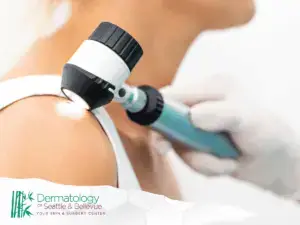
When excessive sweating interferes with daily life or causes emotional distress, consulting a dermatologist or healthcare provider is crucial. Professional evaluation can lead to accurate diagnosis and personalized treatment plans tailored to individual needs.
Dermatologist Consultation
A consultation with a dermatologist is the first step toward effective management of hyperhidrosis. Dermatologists can assess the severity, identify triggers, and recommend appropriate treatment options. Early intervention improves outcomes and quality of life for many patients.
Referral to Specialist
In some cases, your dermatologist may refer you to a specialist, such as a neurologist or surgeon, for advanced care. This can include procedures like surgery or specialized therapies to target severe or resistant excessive sweating. Coordinated care ensures comprehensive management tailored to your condition.
Combining Treatments
- Many patients benefit from a multimodal approach, combining lifestyle changes, medications, and procedural treatments.
- Tailored treatment plans consider individual symptoms, affected areas, and personal preferences.
- Regular follow-ups help adjust therapies to maximize effectiveness and minimize side effects.
- Education on self-care and skin management complements clinical interventions.
Conclusion
Managing excessive sweating doesn’t have to be overwhelming. With a variety of treatment options—from non-invasive antiperspirants and medications to advanced procedures like Botox and surgery—there’s hope for regaining control. Combining professional care with lifestyle changes offers the best chance for success.
Finding the Right Treatment
Every case of hyperhidrosis is unique, so finding the right approach involves collaboration with your healthcare provider. With personalized care, many patients experience significant relief, improved confidence, and better quality of life. Don’t let excessive sweating hold you back—take the first step toward stopping the sweat today.
Disclaimer:
This article is for informational purposes only and is not a substitute for professional medical advice, diagnosis, or treatment. Always consult a qualified dermatologist or healthcare provider for personalized guidance on managing excessive sweating or any other health concerns.